

2027: Why Kano North Should Renew Barau Jibrin’s Mandate. From Legislative Achievements to Regional Development.
By Bala Salihu Dawakin Kudu
October 23, 2026.
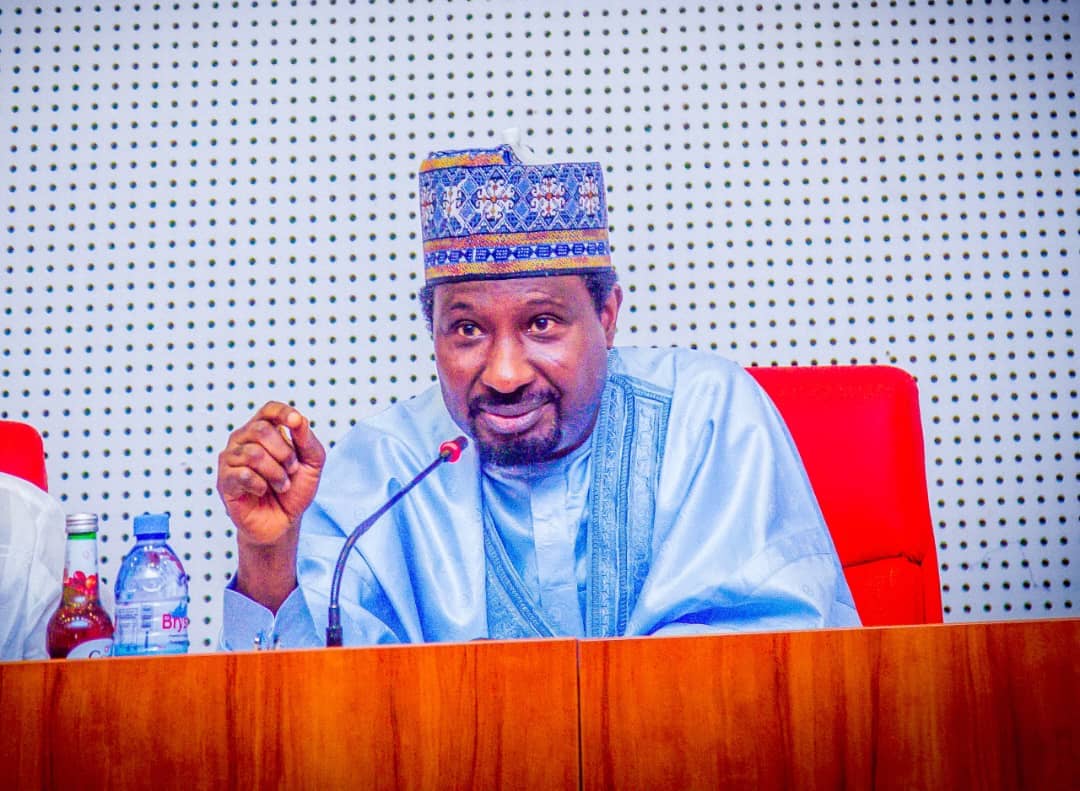
The people of Kano North Senatorial District have important reasons to assess the performance of Senator Barau I. Jibrin, CFR, PhD, CON, Deputy President of the Nigerian Senate, as the 2027 general elections approach. His legislative contributions, leadership responsibilities at the National Assembly, and efforts to attract development initiatives to Kano North and the wider North-West have placed his record at the centre of discussions about continuity, representation and effective leadership.
As the senator representing Kano North in the 10th National Assembly, Barau has combined his constituency responsibilities with a prominent national legislative role. His supporters argue that his experience, access to the highest levels of government and record of sponsoring legislation provide a strong basis for considering the renewal of his mandate in 2027.
- Advertisement -
However, the ultimate judgment belongs to the electorate, whose expectations should remain focused on measurable achievements, effective representation and improvements in the living conditions of ordinary citizens.
North-West Development Commission: A Landmark Legislative Achievement
One of Senator Barau’s most significant contributions to regional development is his role in sponsoring the bill that established the North-West Development Commission (NWDC), an initiative designed to address the region’s long-standing developmental challenges.
The bill was sponsored by Senator Barau alongside other lawmakers from the seven North-West states. The Senate passed it in May 2024, and President Bola Ahmed Tinubu signed the legislation into law on July 24, 2024. The commission was established to support reconstruction, infrastructure development, poverty reduction, improved literacy, environmental rehabilitation and other development priorities across the region.
This initiative is significant because the challenges facing Kano North cannot be addressed in isolation from those affecting the wider North-West. Insecurity, unemployment, inadequate infrastructure, educational disadvantages and declining industrial activity are interconnected problems that require coordinated interventions.
The commission provides an institutional framework through which federal resources and other funding sources can be directed towards regional development. Its mandate covers Kano, Kaduna, Katsina, Jigawa, Kebbi, Sokoto and Zamfara states.
For Kano North, the potential benefits include improved rural infrastructure, agricultural development, better educational opportunities, healthcare facilities, employment generation and stronger commercial activities.
The importance of this achievement lies not merely in establishing a new government institution but in creating a mechanism through which a historically underserved region can pursue development on a broader scale.
Nevertheless, the commission’s long-term success will depend on transparent management, adequate funding, effective project execution and equitable distribution of its benefits. Kano North residents should therefore continue to demand that the opportunities created by the NWDC translate into visible projects and improved livelihoods.
The establishment of the commission remains an important example of Senator Barau’s legislative engagement with a challenge extending beyond his immediate constituency.
Another important measure of Senator Barau’s performance is his legislative activity in the 10th Senate.
According to reports published in June 2026, the Deputy Senate President had sponsored 42 bills between the inauguration of the 10th National Assembly in June 2023 and June 2026. Five had been passed into law by that time, according to the published account of his legislative record.
The bills covered several areas, including education, healthcare, agriculture, economic development, institutional reform, renewable energy and governance. This record demonstrates legislative activity across a broad range of national priorities.
Among the reported bills passed into law are the following:
1. North-West Development Commission (Establishment) Act
This legislation provides a framework for addressing developmental challenges across the seven North-West states, with an emphasis on reconstruction, infrastructure, poverty alleviation and environmental concerns.
2. Federal University of Science and Technology, Kabo (Establishment) Act
The establishment of this specialised federal university in Kabo, Kano State, represents an important opportunity to expand access to higher education, particularly in science, technology and related disciplines.
For young people in Kano North, the institution has the potential to reduce the distance and financial burden associated with pursuing university education elsewhere. Its ultimate impact will depend on the development of adequate facilities, recruitment of qualified staff, accreditation of programmes and sustained funding.
3. Agricultural Research Council Act (Amendment) Bill
Agriculture remains central to the economy of Kano State, providing livelihoods for farmers, traders, processors and other participants in the agricultural value chain.
Legislation strengthening agricultural research institutions can support improved farming techniques, innovation, productivity and the development of solutions to challenges confronting Nigerian farmers.
4. National Identity Management Commission (Repeal and Re-enactment) Bill
Reforms concerning national identity management are important for improving institutional effectiveness, strengthening identity administration and supporting access to public and private services.
5. Federal Medical Centre, Gwarzo, Kano State (Establishment) Bill
The proposed federal medical centre in Gwarzo is particularly relevant to Kano North, where improved access to specialised healthcare remains an important public concern.
A properly funded and equipped federal medical centre could improve access to specialist services, reduce the need for patients to travel long distances and create opportunities for healthcare professionals. Its benefits will depend on the completion of the necessary implementation steps and the provision of sustainable operational resources.
These legislative achievements provide a useful starting point for assessing Senator Barau’s record. However, responsible evaluation must distinguish between bills sponsored, bills passed by the National Assembly, laws assented to by the President and projects that have become fully operational. Each stage matters to the people who expect tangible results from public service.
Bringing Education Closer to the People of Kano North
Education is another important area in which Senator Barau’s development agenda has attracted attention.
Reports on his activities have highlighted efforts to expand educational opportunities for young people in Kano North, including arrangements for study centres associated with the Federal University Dutsin-Ma in communities such as Gwarzo, Danbatta, Dawakin Tofa and Gabasawa.
Such initiatives, where fully implemented and adequately supported, can help make university education more accessible to students who might otherwise face substantial transportation, accommodation and financial challenges.
The establishment of the Federal University of Science and Technology in Kabo also offers the prospect of expanding educational opportunities within the district.
For a region with a large population of young people, investment in education is not simply a social intervention. It is an investment in human capital, entrepreneurship, technological innovation and future economic growth.
The people of Kano North will reasonably expect these initiatives to produce measurable outcomes, including increased enrolment, improved learning facilities, qualified lecturers, accredited courses and better employment prospects for graduates.
The broader challenge is to ensure that educational opportunities reach students from rural communities and low-income households, including young women and other groups who face barriers to higher education.
Healthcare Development and the Need for Accessible Medical Services
Healthcare is another sector in which representation at the federal level can make an important difference.
The Federal Medical Centre, Gwarzo, is a particularly relevant initiative because access to quality medical services remains a major concern for many communities across Kano North.
A functioning federal medical centre could provide specialist treatment, diagnostic services, improved emergency care and training opportunities for healthcare workers. It could also help reduce pressure on existing hospitals in Kano and other urban centres.
However, the establishment of a medical institution is only the beginning. The real test is whether residents can access affordable treatment, whether qualified medical personnel are available, whether essential equipment is functional and whether the facility is adequately funded.
As the 2027 elections approach, residents should assess both the legislative work undertaken to support healthcare development and the progress towards delivering effective services.
Bichi Immigration Training School: Strengthening Institutional Capacity
Senator Barau’s development record has also included efforts associated with the establishment of a Nigeria Immigration Service training school in Bichi, Kano North.
The institution has been presented as an opportunity to strengthen the training and retraining of immigration personnel while bringing additional economic and institutional activity to the area.
Beyond its national security and professional training functions, a fully operational training institution can generate demand for accommodation, transportation, food services, retail businesses and other local economic activities.
Such developments can create opportunities for residents and businesses while strengthening the strategic importance of Kano North.
The broader objective should be to ensure that institutions established or attracted to the district provide sustained local benefits through employment, procurement opportunities, skills development and community engagement.
A Record of Experience in Budgeting and Public Finance
Senator Barau’s legislative experience extends beyond his current position as Deputy President of the Senate.
Before assuming his present leadership role, he served as Chairman of the Senate Committee on Appropriations during the Ninth National Assembly. He had also served as Chairman of the House Committee on Appropriations during his earlier tenure in the House of Representatives.
Appropriations committees occupy a critical position in the legislative process because they scrutinise budget proposals, consider competing public priorities and oversee the legislative allocation of public resources.
This background gives Senator Barau experience in one of the most consequential areas of national governance: deciding how government resources are distributed among competing needs.
For Kano North, the relevance of this experience lies in the ability to understand budgetary processes, engage government institutions and advocate for investments in education, healthcare, agriculture, roads and other essential infrastructure.
Nevertheless, budgetary influence must ultimately be assessed by the resources appropriated, projects implemented, funds properly utilised and measurable improvements achieved.
The people of Kano North deserve not only representation in budget discussions but also transparent information about the projects and services that benefit their communities.
From Kano North to the National Legislative Leadership
Senator Barau’s emergence as Deputy President of the Senate in June 2023 placed him in one of the highest legislative leadership positions in Nigeria.
The position gives him significant responsibilities in managing Senate proceedings, supporting the Senate President and participating in the broader legislative process.
His previous experience in the House of Representatives, his three consecutive Senate election victories in 2015, 2019 and 2023, and his experience in budgetary oversight have contributed to his parliamentary profile.
He also serves as First Deputy Speaker of the ECOWAS Parliament, extending his legislative responsibilities to the regional parliamentary level.
For his supporters, these positions represent an opportunity for Kano North to maintain a voice in important national and regional discussions.
They also argue that continuity in representation could allow the district to benefit from his accumulated experience, established relationships and familiarity with legislative procedures.
Yet leadership positions should not be treated as achievements in themselves. Their real value lies in how effectively they are used to advance legislation, promote accountability, facilitate development and protect the interests of the people represented.
Why Kano North Matters in the 2027 Election
Kano North comprises 13 local government areas: Bichi, Bagwai, Dambatta, Dawakin Tofa, Gabasawa, Gwarzo, Kabo, Kunchi, Minjibir, Rimin Gado, Shanono and Tsanyawa.
The district has substantial agricultural, commercial and human-resource potential. It also faces development needs that require sustained attention, particularly in education, healthcare, rural roads, water supply, electricity, employment and agricultural productivity.
Farmers require better access to irrigation, improved seeds, fertilisers, agricultural extension services, storage facilities and markets. Small businesses need reliable electricity, affordable financing, transport infrastructure and a supportive economic environment.
Young people need quality education, vocational training, digital skills and opportunities for productive employment. Women need improved access to education, healthcare, business support and economic opportunities.
These are the issues against which every representative should be evaluated.
Senator Barau’s supporters believe that his legislative experience, senior position in the Senate and involvement in initiatives such as the North-West Development Commission provide a strong platform for addressing these priorities.
They contend that replacing an experienced legislator carries the risk of losing accumulated institutional knowledge and established working relationships.
However, continuity becomes meaningful only when it is accompanied by stronger performance, responsiveness to constituents and a clear commitment to completing outstanding projects.
The 2027 election should therefore be an opportunity for residents to examine the evidence, identify unmet needs and determine whether Senator Barau’s performance meets their expectations.
The Importance of Constituency Projects and Grassroots Engagement
A senator’s performance cannot be measured exclusively by the number of bills sponsored or the seniority of the office held. It must also be assessed through constituency representation, legislative oversight, advocacy and the ability to facilitate development interventions.
For Kano North, this means examining the distribution of constituency projects across all 13 local government areas.
Residents should be able to identify projects that have been completed, those under construction and those awaiting implementation. They should also be able to determine how educational support, healthcare interventions, empowerment programmes and other initiatives are distributed among communities.
Effective grassroots representation requires regular consultation with traditional institutions, community leaders, local government authorities, farmers, traders, youth groups, women’s organisations and other stakeholders.
It also requires an open channel through which constituents can communicate their concerns and receive updates about projects and legislative interventions.
Such accountability would help the electorate distinguish between promises, approved projects and completed achievements.
It would also strengthen the credibility of any argument for re-election by connecting Senator Barau’s work in Abuja with the daily experiences of residents in Kano North.
A Balanced Assessment of the Case for Re-election
There are several considerations that supporters of Senator Barau can reasonably advance in arguing for another mandate in 2027.
First, his experience in the House of Representatives and Senate provides institutional knowledge that can be useful in navigating the legislative process.
Second, his role in the establishment of the North-West Development Commission demonstrates engagement with a major regional development challenge.
Third, the reported sponsorship of 42 bills during the first three years of the 10th National Assembly reflects substantial legislative activity, with five bills reported as having been passed into law by June 2026.
Fourth, initiatives relating to specialised higher education, healthcare and institutional development in Kano North offer opportunities for long-term community benefits.
Fifth, his position as Deputy President of the Senate gives him a prominent platform from which to advocate for national policies and regional priorities.
These considerations constitute a strong argument for examining the case for continuity. They do not, by themselves, settle the question of re-election.
A credible assessment must also consider the extent to which legislative initiatives have translated into functioning institutions, accessible public services, employment opportunities and improved living standards.
The electorate should ask what has been achieved, what remains unfinished and what specific commitments would guide the next term.
The 2027 Mandate Must Be About Results
As political activities gradually intensify ahead of the 2027 general elections, the debate over Senator Barau’s future should rise above personal loyalty and partisan sentiment.
The central question should be whether his record, experience and plans offer the people of Kano North the best opportunity to advance their collective interests.
His supporters have a substantial set of legislative and institutional achievements to present, particularly the North-West Development Commission initiative and his work in the Senate. They can also make the case that his experience in parliamentary leadership and budgetary processes could be valuable in addressing the district’s development priorities.
At the same time, residents are entitled to demand transparent reporting, equitable distribution of development projects, stronger grassroots engagement and measurable improvements in public services.
The most persuasive campaign for re-election would therefore be one grounded in verifiable achievements, a candid assessment of unfinished responsibilities and a practical programme for the next four years.
Such a programme should prioritise education, accessible healthcare, agricultural transformation, rural infrastructure, youth employment, women’s economic empowerment, security and the development of small businesses.
It should also include clear mechanisms for monitoring progress and ensuring that every local government area in Kano North receives fair attention.
A Case for Continuity, Accountability and Development
Senator Barau I. Jibrin’s legislative career and his position as Deputy President of the Senate have made him a prominent figure in Nigeria’s political landscape.
His role in sponsoring the North-West Development Commission legislation, his reported record of bill sponsorship and his involvement in initiatives concerning education, healthcare and institutional development provide important points for consideration as Kano North prepares for the 2027 elections.
For supporters who believe he deserves another mandate, the argument is that his experience, legislative record and position within the National Assembly offer a foundation for continued service.
The strongest version of that argument, however, must go beyond titles and political influence. It must demonstrate how these advantages can be converted into better schools, accessible hospitals, productive agriculture, reliable infrastructure, employment opportunities and improved living conditions.
Ultimately, the people of Kano North hold the democratic authority to decide who should represent them in the next Senate.
If Senator Barau can demonstrate that his legislative work and development initiatives have delivered meaningful benefits, and present a credible plan for addressing the district’s remaining challenges, his supporters will have a compelling case to make for renewing his mandate.
The 2027 election should be about the future of Kano North: preserving what works, improving what falls short and ensuring that representation at the highest levels of government delivers tangible benefits to the people.
DemocracyNewslineNewspaper October 24th, 2026