

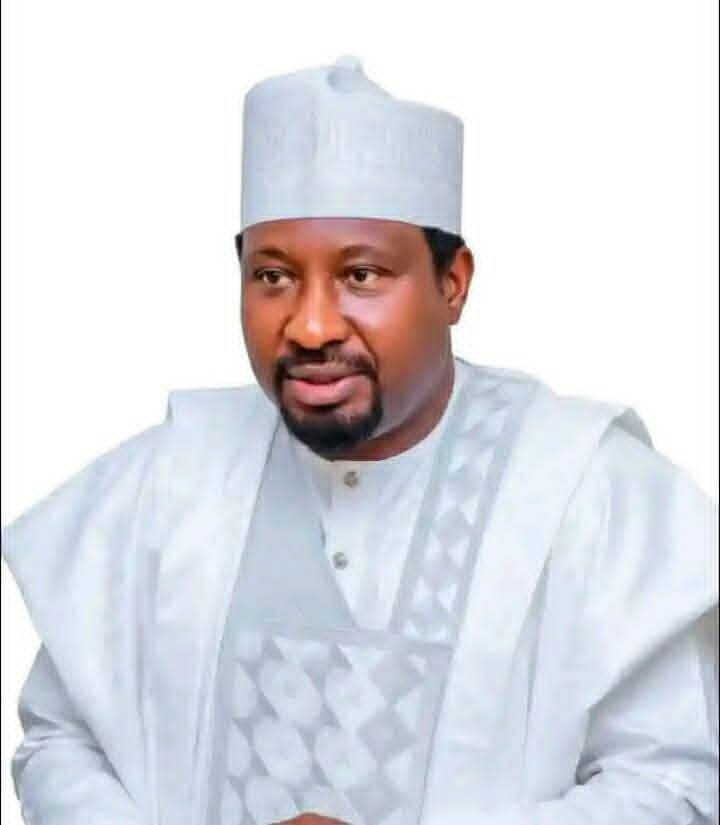

2027: Why Kano North Should Reward Senator Barau Jibrin with an Overwhelming Mandate.
By Bala Salihu Dawakin Kudu
November 9, 2026.
In a democratic society, the ultimate purpose of politics should be to serve the people, promote development, improve living standards and create opportunities for future generations. Political leadership should not merely be measured by campaign promises, political affiliations or public speeches, but by tangible contributions to society and the impact of leadership on the lives of ordinary citizens.
In Kano State, particularly the Kano North Senatorial District, the 2027 general elections present another important opportunity for the electorate to reflect on political representation, assess achievements and make informed decisions about the future of their constituency.
One political figure whose record and political influence deserve serious consideration in this conversation is the Deputy President of the Nigerian Senate, Distinguished Senator Dr. Barau I. Jibrin, popularly known as Barau Maliya.
- Advertisement -
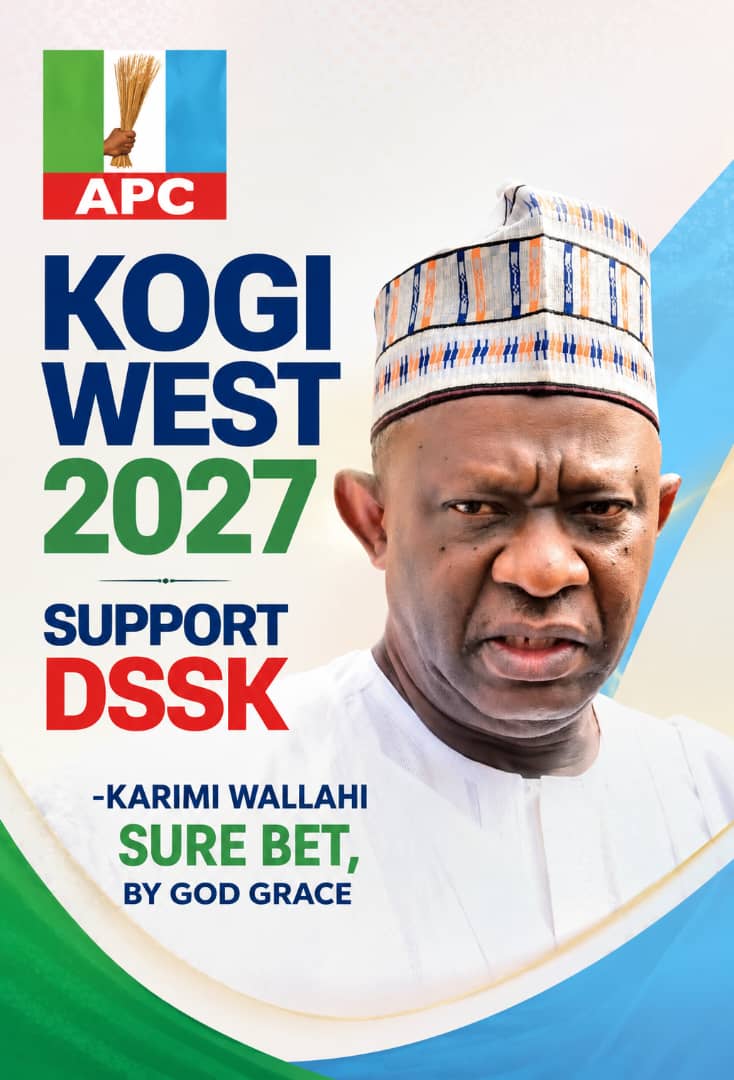
As a prominent political leader from Kano North, Senator Barau has continued to attract attention through his political activities, empowerment initiatives, interventions and contributions to different sectors of development across Kano State.
For the people of Kano North, the 2027 elections should be an opportunity to evaluate what their representative has accomplished, what remains to be done and whether continuity in representation could further strengthen the district’s political influence and development prospects.
Agriculture remains one of the most important economic activities in Kano North, where thousands of families depend on farming for their livelihoods.
Senator Barau has been associated with several agricultural support initiatives aimed at strengthening farming activities and improving the economic conditions of rural communities.
Among the interventions attributed to his efforts are the distribution of free fertilisers, provision of cattle, agricultural equipment, motorcycles and cargo vehicles to support farmers and agricultural businesses.
These interventions are significant because agriculture is not merely an occupation in Northern Nigeria; it is a major source of employment, food security and economic survival.
Supporting farmers with essential agricultural inputs can help increase productivity, reduce production costs and improve household incomes.
However, the long-term objective should be to expand these initiatives through modern agricultural technology, irrigation, access to affordable financing, improved seedlings, storage facilities and reliable markets for agricultural produce.
Kano North deserves sustained investment in agriculture, and its political representatives should continue to champion policies that transform farming into a more profitable and sustainable business.
Education: Investing in the Future of Northern Nigeria
Education is another critical area where Senator Barau’s interventions have attracted attention.
His reported contributions include the provision of vehicles to school administrators, motorcycles and computers to some primary school headteachers, construction and rehabilitation of educational facilities, and the distribution of desks, chairs and other teaching materials.
These efforts are important because the future of Kano North depends significantly on the quality of education available to its children.
The district needs more classrooms, qualified teachers, modern learning facilities, scholarships, vocational training centres and improved access to higher education.
Education must not be treated as a privilege reserved for a few. Every child, irrespective of family background or economic circumstances, deserves an opportunity to acquire knowledge and develop the skills required to compete in today’s world.
Senator Barau’s supporters believe that sustaining and expanding educational interventions would further strengthen the district’s human capital development.
Healthcare: Bringing Medical Services Closer to the People
Healthcare is another important area in which the people of Kano North require sustained attention.
Senator Barau has been credited with supporting healthcare infrastructure and interventions across the 13 local government areas of Kano North, including the construction of healthcare facilities and the provision of free medicines and other medical assistance.
Such initiatives are particularly important for rural communities where access to quality healthcare remains a major challenge.
Many residents still travel considerable distances to obtain medical attention, while some families struggle to afford essential medicines and treatment.
There is therefore a need to expand primary healthcare facilities, improve maternal and child healthcare, provide essential drugs, strengthen emergency medical services and ensure that rural communities have access to qualified healthcare professionals.
A healthy population is a productive population. Consequently, healthcare development should remain one of the priorities of political representation in Kano North.
The security situation in Nigeria requires collective responsibility from governments, security agencies, community leaders and political representatives.
Kano State and other parts of Northern Nigeria have experienced security challenges that demand continuous attention and practical interventions.
Senator Barau has reportedly supported security-related initiatives through the provision of motorcycles to police formations, solar-powered streetlights in different communities and assistance to local security and patrol groups through equipment and financial support.
These interventions can contribute to community safety, particularly where improved lighting and mobility help security personnel respond more effectively to security concerns.
Nevertheless, security requires more than temporary assistance. Kano North needs sustained investment in intelligence gathering, modern security equipment, community policing, youth employment and effective collaboration between security agencies and traditional institutions.
The people expect their representatives to continue using their positions and influence to attract stronger federal security interventions to their communities.
Youth Empowerment and Employment Opportunities
The future of Kano North cannot be secured without meaningful investment in its young population.
The district has a large number of energetic, talented and ambitious young people who require opportunities to develop their abilities and contribute to society.
Senator Barau has supported youth empowerment through initiatives involving financial assistance, business capital, employment opportunities and programmes designed to encourage self-reliance.
His political interventions have also reportedly helped some young people access opportunities within federal government institutions.
These efforts deserve attention because unemployment remains one of the major challenges facing Nigerian society.
The district needs more vocational training, entrepreneurship development, digital skills acquisition, industrial investment and access to business financing.
Young people should not be encouraged to participate in politics only during election campaigns. They must also become active participants in governance, economic development and decision-making.
A representative who helps create opportunities for young people contributes to building a stronger and more prosperous society.
Infrastructure development remains essential to economic growth and social progress.
Senator Barau has also been associated with interventions involving road construction and other development projects across different local government areas.
Road infrastructure is particularly important in Kano North because it connects farming communities to markets, facilitates transportation and encourages commercial activities.
Improved roads can reduce transportation costs, enhance access to hospitals and schools, and create opportunities for small businesses.
His contributions have also reportedly included support for sporting facilities and stadium development to encourage young people to participate in sports and discover their talents.
Sports development should be regarded as an important tool for youth engagement, employment generation, social integration and the discovery of future professional athletes.
Supporting Transport Workers and NURTW Members
Another area of interest is the reported support extended to transport workers and members of the National Union of Road Transport Workers (NURTW) across the 13 local government areas of Kano North.
The interventions include the provision of Sharon vehicles and other forms of assistance to transport operators, with more than 500 drivers reportedly benefiting from different support initiatives.
Transport workers play an important role in the economic life of Kano State. They connect communities, facilitate commercial activities and provide essential services to millions of residents.
Supporting them with vehicles and other resources can help improve their businesses, increase their earnings and create additional employment opportunities.
Such empowerment initiatives should be sustained and expanded to reach more deserving beneficiaries.
Political Inclusion and Empowerment of Party Stakeholders
Politics is not only about occupying public offices; it is also about building relationships, encouraging participation and creating opportunities for people at different levels of the political structure.
Senator Barau has maintained an extensive political network, with reported appointments of more than 1,000 Special Legislative Assistants and Special Assistants, alongside other forms of support to political stakeholders.
His supporters see these efforts as part of an approach to political inclusion and grassroots mobilisation.
However, political empowerment should continue to translate into meaningful community development, effective representation and opportunities for ordinary party members.
The APC also needs unity, internal democracy, mutual respect and a fair recognition of the contributions of its members if it hopes to maintain its political strength in Kano State.
The 2027 general elections will provide the electorate with an opportunity to assess the performance of their political representatives.
For Senator Barau, the argument for another mandate should rest on the interventions credited to him, his legislative responsibilities, his position as Deputy President of the Senate and the opportunities that his office can potentially attract for Kano North.
His position in the Nigerian Senate provides an important platform for advocating the interests of Kano State and Northern Nigeria at the national level.
As Deputy President of the Senate, he occupies one of the most influential positions in the country’s legislative institution. This position offers Kano North an opportunity to maintain a strong voice in national discussions, legislative priorities and the distribution of development opportunities.
The people of Kano North should therefore examine the benefits of maintaining effective representation while also demanding greater accountability, measurable results and stronger delivery of development projects.
It is important to understand that political support should never be based on blind loyalty. Rather, it should be informed by performance, accessibility, commitment, character and the ability to respond to the needs of the electorate.
If the people are satisfied with the interventions, representation and leadership associated with Senator Barau, giving him another mandate in 2027 would be a democratic expression of their confidence.
Beyond the senatorial election, the 2027 general elections will also be an important test of the APC’s political organisation and grassroots acceptance in Kano State.
The party must understand that electoral success cannot be achieved through political calculations alone. It requires unity, effective leadership, respect for party members, genuine engagement with communities and the presentation of credible candidates.
Senator Barau’s political influence and grassroots mobilisation efforts could play an important role in strengthening the APC’s electoral prospects in Kano North.
However, the party must also address the concerns of its members, recognise the contributions of its grassroots supporters and avoid internal disagreements that could weaken its chances at the polls.
The people of Kano North deserve a political structure that promotes development rather than unnecessary divisions.
As the 2027 general elections approach, the people of Kano North should approach the political process with a clear understanding of their interests and developmental priorities.
They should examine the achievements of their representatives, compare promises with actual results and demand stronger commitments in agriculture, education, healthcare, security, employment, infrastructure and economic empowerment.
Senator Barau I. Jibrin has established himself as an influential political figure from Kano North, and the interventions associated with his representation provide important issues for the electorate to consider.
His supporters have every reason to present his record to the people and seek their confidence for another term.
For the APC, the challenge is to convert its political influence into genuine grassroots acceptance through unity, performance and responsible leadership.
Ultimately, the power belongs to the electorate. If the people of Kano North believe that Senator Barau has represented their interests effectively and that his continued service will bring further development, they can demonstrate that confidence by giving him an overwhelming mandate in the 2027 general elections.
The future of Kano North should be built on purposeful leadership, accountable representation, continuity where justified by performance and a collective commitment to the progress of every community across the district.
DemocracyNewslineNewspaper November 9th, 2026