




2027: Why Malam Ibrahim Shekarau Deserves Another Opportunity to Represent Kano Central in the Senate.
By Bala Salihu Dawakin Kudu
October 27, 2026.
As Nigeria gradually approaches the 2027 general elections, political activities are gaining momentum across the country, with stakeholders and constituents beginning to assess the records, experience, leadership qualities and contributions of those seeking elective offices. In Kano Central Senatorial District, one name that deserves serious consideration is Malam Ibrahim Shekarau, former Governor of Kano State, former Minister of Education and former Senator of the Federal Republic of Nigeria.
Shekarau is a veteran politician whose years in public service, reputation for religious commitment, emphasis on integrity and experience in governance make him a strong candidate for consideration by the people of Kano Central. His possible return to the National Assembly presents an opportunity for constituents to reflect on the kind of representation they desire and the leadership that can effectively advance their interests.
- Advertisement -

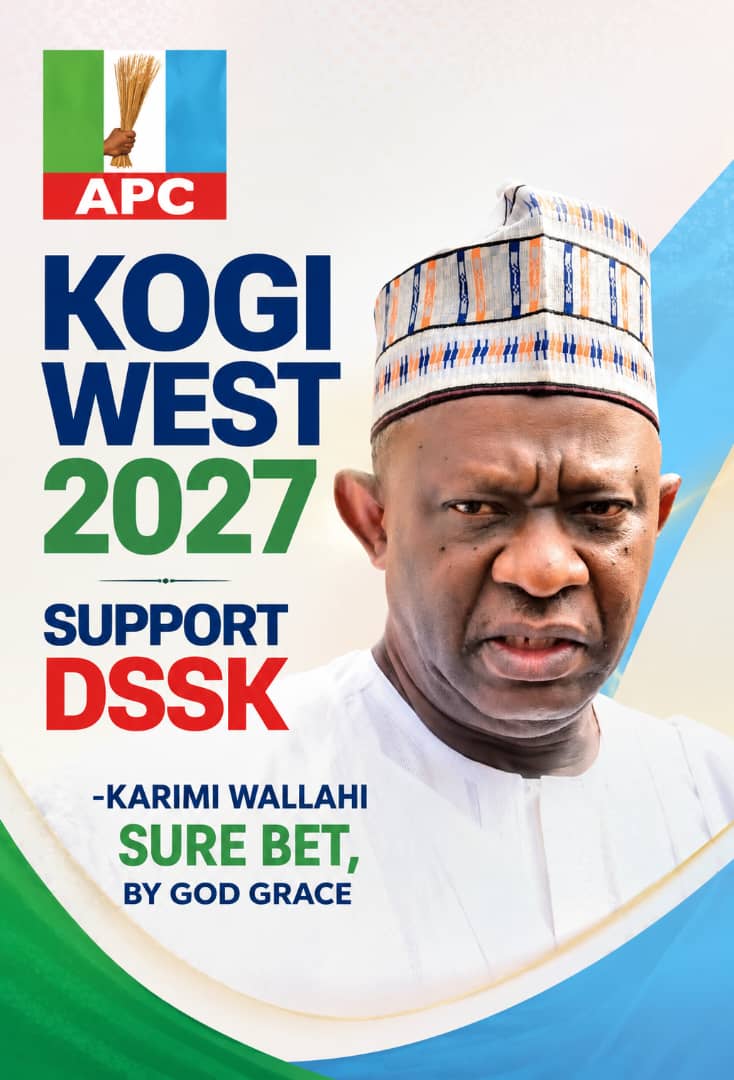
For many supporters, Shekarau represents a combination of political experience, administrative knowledge, community engagement and a leadership philosophy that places responsibility and public trust at the centre of governance.
A Leader with Extensive Experience in Public Service
Malam Ibrahim Shekarau’s political career has spanned several important positions in Nigeria’s public life. His tenure as Governor of Kano State from 2003 to 2011 placed him at the centre of the state’s political and developmental affairs. He subsequently served as Minister of Education and represented Kano Central Senatorial District in the Senate.
These experiences have given him exposure to governance at state and federal levels, including executive administration, national policymaking and legislative representation.
Such experience is important in a country where the challenges confronting citizens require leaders who understand government institutions, budgetary processes, public policy and the relationship between federal and state authorities.
The Senate is not merely a platform for political speeches. It is a constitutional institution responsible for making laws, scrutinising government policies, considering national budgets and exercising oversight over public institutions. Effective representation requires a senator who can understand complex issues, engage constructively with colleagues and translate constituents’ concerns into legislative action.
Shekarau’s previous experience in the Senate and executive positions could therefore provide a foundation for renewed representation, should the electorate choose to give him another mandate.
Integrity, Religious Commitment and Public Trust
One of the qualities frequently associated with Shekarau by his supporters is his commitment to Islam, personal discipline and the principles of honesty and accountability.
In Kano, where religion and community values play important roles in public life, many voters consider a candidate’s personal character and moral convictions alongside political achievements. They want representatives who understand their values and demonstrate respect for the responsibilities entrusted to them.
Shekarau’s supporters argue that his emphasis on religious principles, modesty and responsible leadership makes him suitable for a position that demands sound judgement and a strong sense of public duty.
However, religious commitment must also be reflected in practical leadership: fairness to all constituents, respect for the law, responsible use of public resources, transparency and concern for the welfare of the vulnerable.
The people of Kano Central deserve a senator who will demonstrate these values through measurable performance and consistent engagement with the electorate. Shekarau’s candidacy provides an opportunity for voters to assess whether his leadership philosophy and experience align with their expectations for the next four years.
Kano Central is one of the most politically significant senatorial districts in northern Nigeria. Its residents face a range of social and economic challenges, including unemployment, poverty, pressure on public infrastructure, educational needs, healthcare concerns and the difficulties confronting small businesses and traders.
The district also contains communities whose economic activities are closely connected to commerce, agriculture, transportation, traditional industries and informal enterprise. These sectors need policies that encourage investment, improve access to finance, strengthen infrastructure and create opportunities for young people.
The next senator representing Kano Central must be prepared to make these concerns central to his legislative agenda.
First, the district needs stronger advocacy for employment and economic empowerment. A senator can support legislation, budgetary provisions and federal programmes designed to expand vocational training, entrepreneurship, skills acquisition and access to business financing.
Second, education must remain a major priority. Kano has a large population of young people whose future depends on access to quality education, technical training and opportunities for further learning. An experienced former Minister of Education such as Shekarau could bring useful knowledge to legislative discussions on educational funding, teacher development, school infrastructure and the improvement of learning outcomes.
Third, healthcare requires sustained attention. Kano Central needs effective advocacy for better-equipped health facilities, improved maternal and child healthcare, affordable treatment and stronger support for primary healthcare services.
Fourth, the district requires improved infrastructure and urban development. Roads, drainage, sanitation, electricity and other essential services affect residents’ daily lives and economic productivity. The senator should work with relevant federal agencies, state authorities and local stakeholders to promote projects that address these needs.
The Importance of Experience in the National Assembly
Legislative experience is another factor that may influence voters’ decisions.
The Senate operates through committees, debates, negotiations and detailed consideration of bills and national policies. A senator’s effectiveness depends not only on public visibility but also on the ability to influence legislation, scrutinise expenditure and build relationships that advance the interests of constituents.
Having previously served in the Senate, Shekarau understands the institution and its responsibilities. His experience in executive government could also help him appreciate the practical implications of proposed legislation and federal policies.
If elected again, he should use this experience to pursue stronger representation for Kano Central, particularly in matters concerning education, economic development, urban infrastructure, security and social welfare.
His supporters would reasonably expect him to establish clear legislative priorities, maintain regular consultations with constituents, publish periodic reports of his activities and explain how his interventions benefit the district.
Ultimately, the value of experience lies in what a leader accomplishes with it. Shekarau’s previous public offices provide a basis for evaluation, while the expectations of the electorate should determine the standards against which his future performance is measured.
The future of Kano Central depends significantly on how effectively its leaders respond to the aspirations of young people and women.
Youth unemployment, limited access to productive opportunities and the rising cost of living have placed considerable pressure on households. Women engaged in trading, agriculture, small businesses and other economic activities also need policies that expand opportunities and improve their access to resources.
A senator with extensive political and administrative experience should be capable of advocating programmes that address these challenges through legislation, constituency initiatives and collaboration with relevant government agencies.
If given another mandate, Shekarau should make youth development, women’s economic participation and support for vulnerable households central elements of his agenda.
He should also encourage the participation of young professionals, community leaders, civil society organisations and traditional institutions in discussions about the district’s future.
Such an inclusive approach would help ensure that representation reflects the needs of the entire constituency rather than the interests of a limited political circle.
The political platform on which a candidate contests is another consideration for voters. Shekarau’s supporters are advocating his candidacy under the All Progressives Congress (APC), arguing that his experience and political standing could be valuable in representing Kano Central.
However, the final political circumstances, party nomination and electoral choices will be determined by the relevant democratic processes. Voters should therefore examine the candidate’s programme, the party’s commitments and the practical prospects for delivering meaningful results.
Political loyalty should not replace critical evaluation. Rather, party affiliation should provide a framework through which a candidate can demonstrate how his policies align with the needs of the people.
For Kano Central, the central question is straightforward: which candidate can provide effective legislative representation, maintain close contact with constituents and pursue practical solutions to their most pressing problems?
Shekarau’s supporters believe that his experience, leadership background and public-service record make him a compelling option.
As the 2027 elections approach, the people of Kano Central should approach their decision with careful consideration, free from unnecessary personal rivalries, sentiment and political intimidation.
The district needs representation that prioritises development, accountability, fairness and the protection of citizens’ interests. Voters should examine the records of all aspirants, ask difficult questions and demand clear commitments on education, employment, healthcare, security and infrastructure.
For those who believe in Shekarau’s leadership, the argument for his return to the Senate rests on his years of public service, his familiarity with government institutions and the possibility of using his experience to advance the interests of Kano Central.
His candidacy should be accompanied by a clear and measurable agenda, regular communication with constituents and a commitment to accountable representation.
Malam Ibrahim Shekarau remains an important figure in Kano’s political landscape because of his experience as a former governor, minister and senator. These positions have given him an understanding of the responsibilities associated with public administration and national legislation.
For his supporters, he is a candidate whose experience, religious convictions and approach to leadership deserve serious consideration as Kano Central prepares for the 2027 elections.
If he seeks and secures the party’s nomination, the electorate will have the opportunity to evaluate his record, compare his proposals with those of other candidates and decide whether he is the right person to represent them in the National Assembly.
The people of Kano Central deserve a senator who will listen to their concerns, defend their interests, promote development and remain accountable throughout the four-year mandate.
The 2027 election should therefore be an opportunity to place competence, integrity, experience and measurable results at the heart of political decision-making. For those who believe Shekarau embodies these qualities, supporting his candidacy is a call to consider experienced leadership in pursuit of a stronger and more prosperous Kano Central.
DemocracyNewslineNewspaper October 27th, 2026