





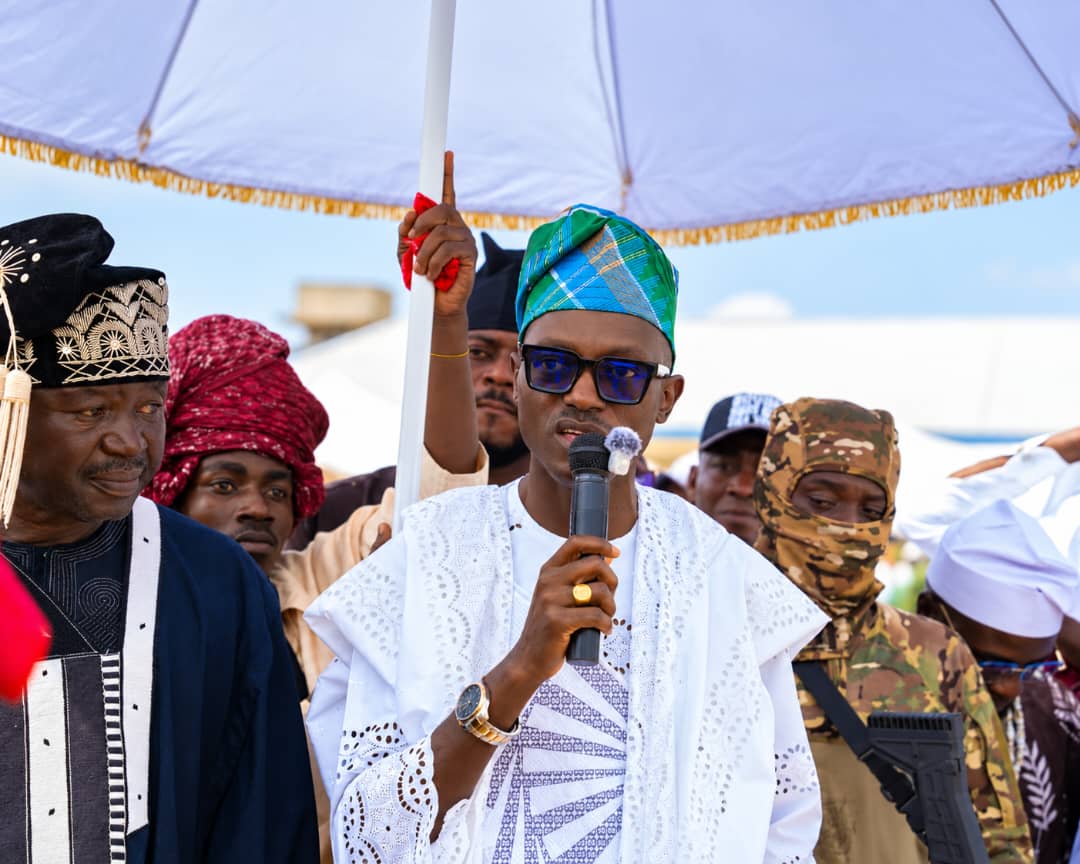

Asiwaju Prince Olatunji Olusoji: An Embodiment of Community Development Service as 2026 Ayere Cultural and New Yam Festival, Atuwusi, Takes Centre Stage
By Samuel Temiloluwa
The 2026 Ayere Cultural and New Yam Festival, popularly known as Atuwusi, provides an opportunity to celebrate the rich cultural heritage of the people of Ayere in Ijumu Local Government Area of Kogi State while reflecting on the contributions of individuals whose commitment to community development continues to inspire grassroots engagement across Okunland.
Among the personalities whose community-oriented activities merit attention is Asiwaju Prince Olatunji Olusoji, a philanthropist, community development advocate and prominent stakeholder whose interventions reflect the important role of private citizens in promoting social welfare and collective progress.
- Advertisement -

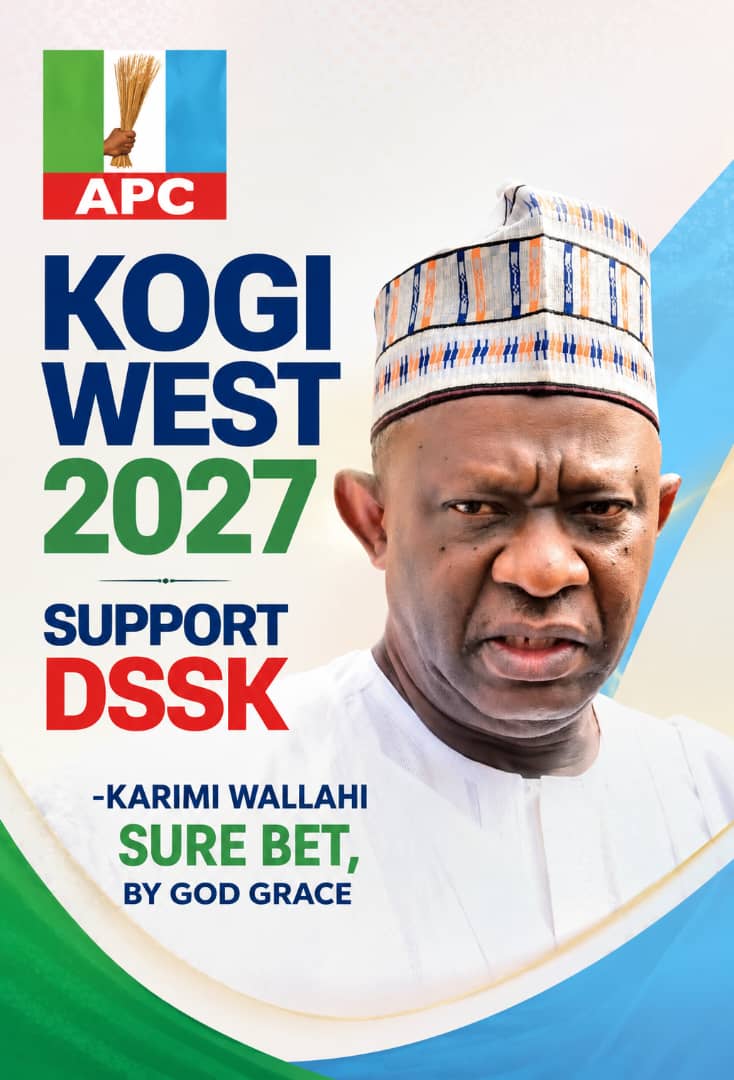
As the people of Ayere gather to celebrate their cultural identity, agricultural heritage and communal bonds, attention is also drawn to the values of generosity, unity, service and responsibility that give deeper meaning to traditional festivals.
For Prince Olusoji, community development extends beyond ceremonial appearances. His contributions to community projects, including the provision of water facilities and support for communal development initiatives, underscore the importance of sustained investment in the welfare of the people.
Atuwusi: A Festival of Culture, Gratitude and Togetherness
Cultural festivals remain powerful instruments for preserving the history, traditions and collective identity of indigenous communities. They provide opportunities for people to reconnect with their roots, honour their ancestors, celebrate their achievements and strengthen relationships across generations.
For the people of Ayere, the annual Cultural and New Yam Festival is a significant occasion to express gratitude for the harvest, promote unity and renew their commitment to community development.
Atuwusi brings together traditional rulers, political leaders, community stakeholders, sons and daughters of the land, as well as friends and well-wishers who share an interest in the progress of Ayere.
Beyond the colourful cultural displays and festivities, the occasion provides a platform for discussions on infrastructure, education, healthcare, youth empowerment and other development priorities.
It is in this broader context that Prince Olatunji Olusoji’s contributions assume significance. His community engagements demonstrate the importance of connecting cultural pride with practical efforts to improve living conditions.
A festival becomes even more meaningful when it inspires people not only to celebrate their heritage but also to invest in the future of the communities that sustain it.
Prince Olusoji: Taking Community Development Beyond Words
Community development is most effective when it addresses the actual needs of the people. Across many rural communities, access to potable water, adequate infrastructure, educational opportunities and economic empowerment remain essential ingredients of sustainable progress.
Prince Olatunji Olusoji has distinguished his community engagements through grassroots philanthropy and support for local development initiatives. In Ayere, his contributions reportedly include the construction of five motorised boreholes, with one provided for each of the five quarters in the community.
This intervention represents a practical response to the need for accessible water facilities and reflects an approach to development that considers the needs of different sections of the community.
Beyond water provision, Prince Olusoji has also reportedly supported the payment of salaries to different categories of Ayere indigenes, healthcare initiatives and educational assistance. These interventions demonstrate a broader commitment to addressing social needs and supporting the welfare of community members.
In a further demonstration of his philanthropic disposition, just days before the 2026 Ayere Cultural and New Yam Festival, Prince Olusoji donated four motorised boreholes to communities in Ogale/Aduge Ward and contributed ₦10 million to Egbe Mekun community.
Taken together, these interventions illustrate how individual generosity can complement government efforts and support development at the grassroots.
Access to clean water is fundamental to public health, sanitation and household welfare. Functional boreholes can ease the daily burden of water collection, improve access to essential domestic needs and support households and community institutions.
Similarly, educational assistance can help beneficiaries pursue learning opportunities, while healthcare support can provide relief to individuals and families facing medical challenges. Financial contributions to communal projects can also enable local development associations to mobilise resources for initiatives that improve living conditions.
Such efforts reinforce an important principle: community development is a shared responsibility. While government has a central role in providing public services and infrastructure, individuals, businesses, community associations and philanthropic organisations can also contribute meaningfully.
The ultimate objective is to ensure that these interventions deliver sustainable benefits and reach the people whose needs they are intended to address.
Beyond Philanthropy: The Search for Lasting Impact
While financial donations and the provision of amenities deserve recognition, the ultimate value of community development lies in the lasting benefits delivered to the people.
A borehole must remain functional to continue serving residents. Community projects require proper planning, maintenance and transparent management, while financial assistance must be directed towards clearly identified needs.
These considerations are essential to sustaining the long-term impact of philanthropic interventions.
For community development advocates such as Prince Olusoji, the task ahead is to sustain the spirit of giving while encouraging structures that ensure completed projects remain useful for years to come.
There is also a need to broaden community interventions to include youth development, vocational training, education, healthcare, support for small businesses and initiatives that expand opportunities for women.
When philanthropy is combined with strategic planning and community participation, it can create an environment in which people are empowered to contribute to their own progress.
The objective should not merely be to provide temporary relief but also to strengthen communities’ capacity to identify challenges, mobilise resources and implement sustainable solutions.
Okunland’s Development: The Importance of Unity and Collaboration
The development aspirations of Ayere are closely connected to the broader interests of Okunland and Kogi West.
Across the region, communities continue to seek improvements in road infrastructure, access to potable water, educational facilities, healthcare delivery and economic opportunities.
Addressing these needs requires constructive engagement among government institutions, traditional rulers, elected representatives, private-sector stakeholders and community development organisations.
It also requires collaboration among communities that share cultural ties and common development interests.
Prince Olatunji Olusoji’s engagements in community affairs and discussions on strategic alliances for Okun political growth form part of the broader conversation about cooperation and collective advancement.
Strategic partnerships can strengthen advocacy for development projects, improve coordination among stakeholders and create opportunities for communities to attract resources to their priority needs.
However, meaningful progress depends on translating these partnerships into practical results.
The development of Okunland requires sustained commitment to public infrastructure, human capital development, entrepreneurship and inclusive opportunities for residents, irrespective of their political affiliations.
Atuwusi therefore provides a timely reminder that cultural unity can serve as a foundation for broader cooperation on shared social and economic priorities.
Culture as a Bridge to Development
The relationship between cultural preservation and modern development deserves greater attention.
Traditional festivals help preserve indigenous knowledge, promote tourism, stimulate local commerce and reconnect indigenes in the diaspora with their ancestral communities.
When properly organised, they can also attract investment, encourage charitable contributions and create opportunities for local businesses.
The New Yam Festival carries particular significance because it celebrates agriculture, productivity, gratitude and the hope of abundance. These values remain relevant to contemporary efforts to strengthen food security, promote entrepreneurship and improve livelihoods.
For Ayere, Atuwusi can serve as a platform for encouraging development-oriented discussions alongside cultural celebrations.
Traditional rulers and community associations can use the occasion to articulate development priorities, while indigenes and friends of the community can identify practical ways to support local projects.
Individuals with the resources and willingness to contribute, including Prince Olusoji and other public-spirited stakeholders, can help bridge the gap between communal aspirations and the resources needed to achieve them.
The lasting value of the festival will therefore depend not only on the beauty of its cultural displays but also on the opportunities it creates for collective action.
The Responsibility of Community Leadership
Leadership at the grassroots level is expressed through many channels, including philanthropy, public service, community mobilisation and support for institutions that preserve communal identity.
Prince Olusoji’s contributions illustrate how individuals can participate in development initiatives outside formal government structures.
Nevertheless, no single individual can meet all the development needs of a community. Sustainable progress requires a collective effort involving government, traditional institutions, private organisations, community associations and residents.
Government must continue to discharge its responsibilities, while community leaders encourage transparency, inclusive participation and proper management of resources.
The involvement of philanthropists can complement these efforts, but long-term results depend on sound planning, accountability and the active participation of beneficiaries.
Atuwusi 2026 therefore provides an opportunity for the people of Ayere to reflect on the achievements recorded so far, identify outstanding challenges and renew their commitment to a more prosperous future.
Conclusion: A Legacy of Service to Humanity
Asiwaju Prince Olatunji Olusoji’s contributions to community development, philanthropic interventions and the advancement of communal interests provide a fitting basis for examining his role as an embodiment of community development service in the context of the 2026 Ayere Cultural and New Yam Festival, Atuwusi.
His reported interventions, including the construction of five motorised boreholes in Ayere, support for healthcare and education, assistance with salary payments to different categories of indigenes, the donation of four motorised boreholes to communities in Ogale/Aduge Ward and a ₦10 million contribution to Egbe Mekun community, underscore the role individual generosity can play in supporting grassroots development and complementing public-sector efforts.
At the same time, the festival highlights the broader responsibilities shared by community leaders, political representatives, traditional institutions and residents in building a future defined by improved infrastructure, stronger institutions and greater opportunities for all.
Ultimately, the true measure of community development is the difference it makes in people’s lives. It is reflected in access to essential amenities, the preservation of cultural heritage, the empowerment of young people and the creation of conditions that allow communities to prosper.
As the people of Ayere celebrate Atuwusi, the enduring message is that culture provides identity, unity creates collective strength, and service to humanity offers a pathway towards sustainable progress.
For Ayere and the wider Okunland, the task is to transform the goodwill generated by cultural celebrations into practical, lasting benefits for present and future generations.
That is the enduring significance of community development service: not merely to be celebrated during festivals, but to be sustained through actions that improve lives and strengthen communities.
DemocracyNewslineNewspaper October 29th, 2026