



Barau Blames Poor Communication for Public Misunderstanding of Government Policies.
By Bala Salihu Dawakin Kudu
October 27, 2026
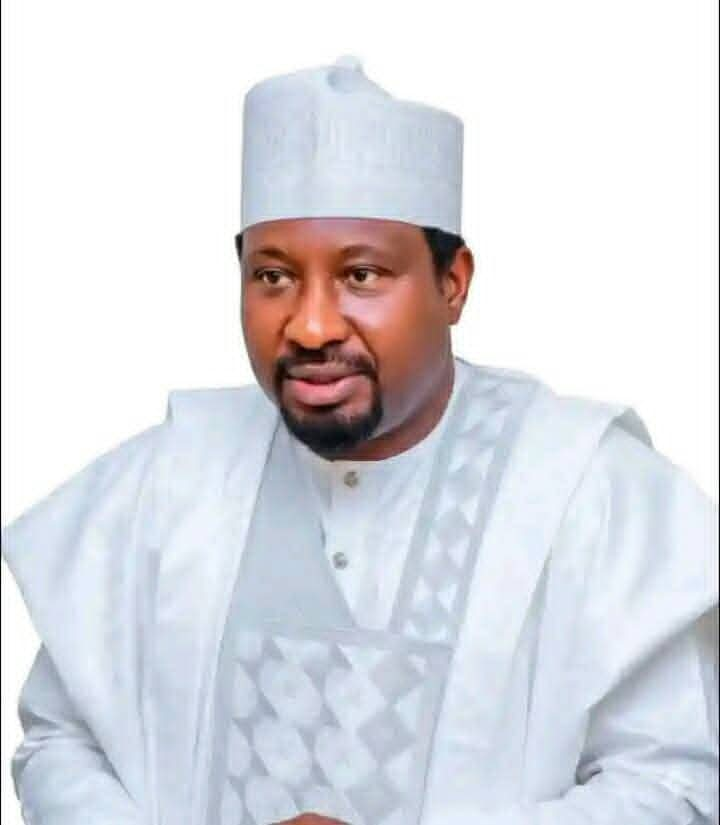
Nigeria’s Deputy President of the Senate, Senator Barau I. Jibrin, has identified inadequate communication between government and citizens as a major reason many Nigerians misunderstand public policies, government programmes and ongoing development initiatives.
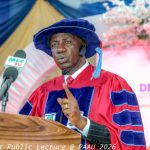
Barau made the observation at a public lecture in Yola, Adamawa State, where former Vice President, Professor Yemi Osinbajo, delivered a presentation on critical issues affecting Nigeria and the African continent.
The Deputy Senate President described Osinbajo’s presentation as thought-provoking, emphasising that effective communication is essential to democratic governance, public accountability and citizens’ understanding of government decisions.
According to him, the success of government policies should not be measured solely by the formulation of programmes or the execution of projects, but also by the ability of leaders to explain their objectives, expected benefits and implementation processes to the people.
- Advertisement -
He stressed that poor communication could create a gap between government intentions and public perception, allowing misinformation, political disagreements and inadequate public awareness to influence citizens’ assessment of government performance.
Barau’s position underscores the importance of making public communication an integral part of governance, particularly at a time when Nigerians are demanding greater transparency, economic relief and tangible improvements in their living conditions.
The Deputy Senate President maintained that political leaders and public officials must do more to communicate government policies in clear, accessible language that ordinary citizens can understand.
He noted that government initiatives, regardless of their potential benefits, could be misunderstood when the public is not adequately informed about their objectives, implementation and expected impact.
He called for stronger engagement between government officials and citizens, including the use of traditional media, digital platforms, community meetings and other channels capable of reaching people across different social and economic backgrounds.
He also highlighted the responsibility of political leaders, religious authorities and other influential stakeholders to promote informed public discussions about national policies and development priorities.
Such engagement, he suggested, would help bridge the gap between policymakers and the people, strengthen public confidence and encourage constructive participation in the democratic process.
communication must also involve listening to citizens, addressing their concerns and providing credible information about the results of government programmes.
For many Nigerians struggling with rising food prices, transportation costs and other economic pressures, public confidence will depend not only on explanations from government officials but also on visible improvements in their daily lives.
Education and Infrastructure Remain Development Priorities
Barau also drew attention to the need for governments at federal and state levels to expand access to education in response to Nigeria’s growing population.
He stressed that more opportunities must be created for Nigerian children to attend school, particularly those from families facing financial difficulties.
Expanding access to education, he noted, is essential to preparing young people for employment, entrepreneurship and responsible citizenship while reducing the risk of leaving vulnerable children without opportunities for personal development.
Nigeria’s rapidly growing population places increasing pressure on classrooms, teachers, educational facilities and public finances. Addressing these challenges requires sustained investment in school infrastructure, teacher recruitment and training, learning materials and programmes that help disadvantaged families keep their children in school.
Barau’s remarks also highlighted the importance of communicating educational initiatives effectively so that parents, students and communities understand the opportunities available to them.
On infrastructure, the senator emphasised the role of road construction in stimulating economic activities, facilitating the movement of people and goods, and connecting communities to markets and essential services.
He cited road projects across different parts of Nigeria, including the North-East and North-West, as examples of efforts to improve the country’s transport network.
Good road infrastructure can reduce travel time, improve access to healthcare and education, facilitate agricultural trade and support businesses. For farmers and traders, reliable roads can also make it easier to transport produce to markets and reduce avoidable losses.
Nevertheless, the long-term benefits of infrastructure investments depend on timely completion, quality construction, adequate maintenance and transparency in project implementation.
Communicating the progress and benefits of such projects, Barau suggested, would enable citizens to better understand the development agenda and assess its impact on their communities.
Global Developments and Nigeria’s Economic Challenges
Addressing the economic difficulties confronting Nigerians, Barau linked some of the pressures on living costs to developments in the international economy, particularly fluctuations in energy prices and disruptions to global supply chains.
He referred to conflicts and geopolitical tensions in different parts of the world, explaining that instability affecting energy supplies, food production and international trade could have consequences for countries far beyond the immediate areas of conflict.
For Nigeria, international oil-market movements, exchange-rate pressures, transportation expenses, domestic production costs and supply-chain disruptions can influence the prices of goods and services.
Although Nigeria is an oil-producing country, changes in global energy markets can still affect domestic costs, depending on fuel pricing, exchange rates, refining and distribution expenses, and the structure of the national economy.
Similarly, higher transport and agricultural input costs can contribute to food-price pressures, particularly when combined with insecurity, inadequate storage facilities and difficulties moving agricultural produce from rural communities to urban markets.
Barau called for greater public awareness of the different factors influencing economic conditions, urging political leaders, religious leaders and other stakeholders to contribute to informed discussions.
His remarks highlighted the need to explain economic developments without losing sight of the immediate hardship experienced by households.
For the government, this presents a dual responsibility: communicating the reasons behind difficult economic conditions while pursuing policies that improve food security, support local production, create employment and protect vulnerable Nigerians.
Clear explanations can help citizens understand the challenges confronting the economy, but sustained public confidence will also depend on measurable results and effective responses to the hardship facing ordinary people.
The Deputy Senate President also commended Adamawa State Governor, Ahmadu Umaru Fintiri, for development initiatives he said he observed during his recent visit to the state.
Barau recalled that the visit provided an opportunity to assess developments in road infrastructure and other areas of public investment.
He explained that he had brought a senior Gambian parliamentarian, who serves as the First Deputy Speaker of the ECOWAS Parliament, to witness developments in Adamawa firsthand.
According to him, the visit was intended to enable the Gambian delegation to observe the state’s development efforts and share its impressions with other stakeholders across West Africa.
The gesture also reflected the potential for interregional cooperation and the exchange of development experiences among political leaders and legislators within the Economic Community of West African States.
Adamawa, like other states in Nigeria, faces the challenge of balancing infrastructure development with the need to improve education, healthcare, employment opportunities and access to essential services.
Road construction and other public projects can contribute to economic growth when they are aligned with local development needs and supported by effective planning and maintenance.
Barau’s commendation of Fintiri therefore drew attention to the importance of recognising development initiatives while encouraging political leaders to sustain efforts that improve the welfare of their people.
Birthday Tribute to Governor Fintiri
The Deputy Senate President also congratulated Governor Fintiri and his wife on their birthdays, using the occasion to acknowledge the governor’s political journey and contributions to public service.
He praised Fintiri for his patriotism, resilience, hard work and commitment to leadership.
Barau recalled the governor’s progression from Speaker of the Adamawa State House of Assembly to acting governor and subsequently governor, describing his political journey as one worthy of documentation for the benefit of younger generations.
He recommended that Fintiri’s life and leadership experiences be properly recorded to preserve the lessons of his political career and provide inspiration for young Nigerians aspiring to serve in public office.
Documenting the experiences of public officeholders can offer valuable insights into leadership, political responsibility, democratic institutions and the challenges associated with governing a diverse society.
Barau concluded his tribute by praying for continued good health, strength and wisdom for the governor, expressing the hope that Fintiri would sustain his development efforts in Adamawa and contribute further to Nigeria’s progress.
The Need to Bridge the Communication Gap.
The central message of Barau’s address was that communication remains an essential component of democratic leadership.
Government policies may be designed to address pressing national challenges, but their objectives and potential benefits can remain unclear when citizens are not adequately informed.
At the same time, effective communication must go beyond public statements and political publicity. It requires consistent access to reliable information, openness about implementation challenges and a willingness to respond to legitimate public criticism.
For Nigeria, where economic hardship, insecurity, unemployment and infrastructure deficits remain major public concerns, improving communication between government and citizens could help strengthen understanding and encourage constructive engagement.
However, communication must be matched by accountability, measurable progress and policies that respond to the needs of the people.
As Barau’s remarks in Yola suggested, building public confidence requires leaders not only to explain what their governments are doing, but also to demonstrate how those actions are improving the lives of Nigerians.
The challenge before political leaders is therefore to combine effective public engagement with practical solutions to the country’s development problems, ensuring that government policies are understood, properly implemented and ultimately translated into meaningful benefits for citizens.
DemocracyNewslineNewspaper October 28th, 2026