




Ejibunu Advocates Power Rotation, Equity, Justice for United and Prosperous Kogi
By Our Correspondent
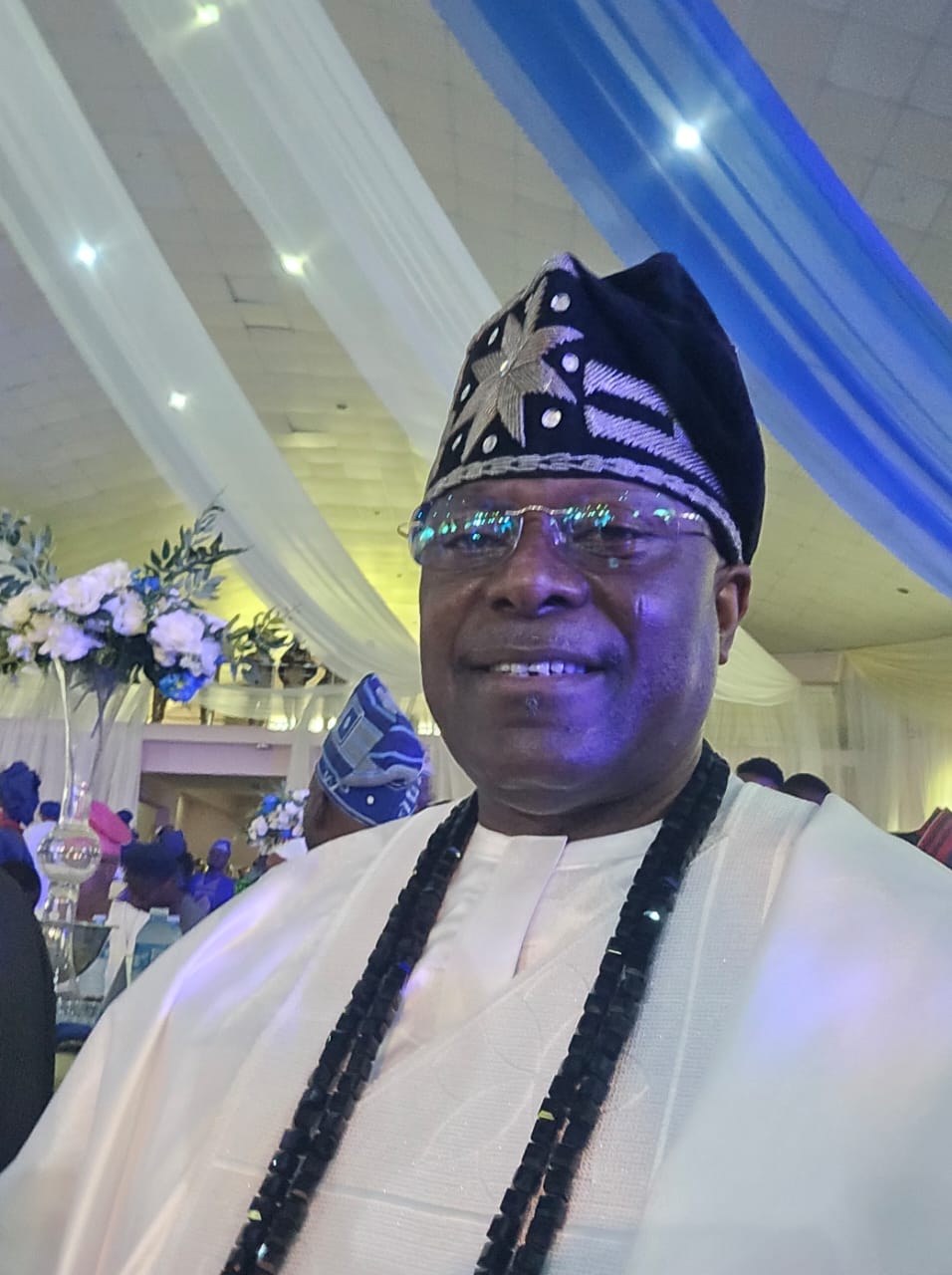
A former Assistant Comptroller-General of the Nigeria Customs Service, ACG Hussein Kehinde Ejibunu (rtd.), has called for the institutionalisation of power rotation among the three senatorial districts of Kogi State, describing it as a pathway to equity, justice, unity and shared prosperity.
Ejibunu made the call while presenting a paper titled “Equity, Justice, Unity: Path to the Actualization of Shared Prosperity in Kogi State” at the Kogi State Power Rotation Summit held on Wednesday and Thursday, September 30 and October 1, 2026, at Kay Galaxy Event Centre, Lokoja.
He described the summit as “absolutely necessary and timely,” stressing that genuine development of Kogi State requires deliberate efforts to address longstanding concerns over exclusion, domination and unequal access to executive power.
- Advertisement -
According to him, the issue of power rotation should not be viewed merely from the perspective of partisan politics, but as a question concerning the foundation and sustainability of democracy in the state.
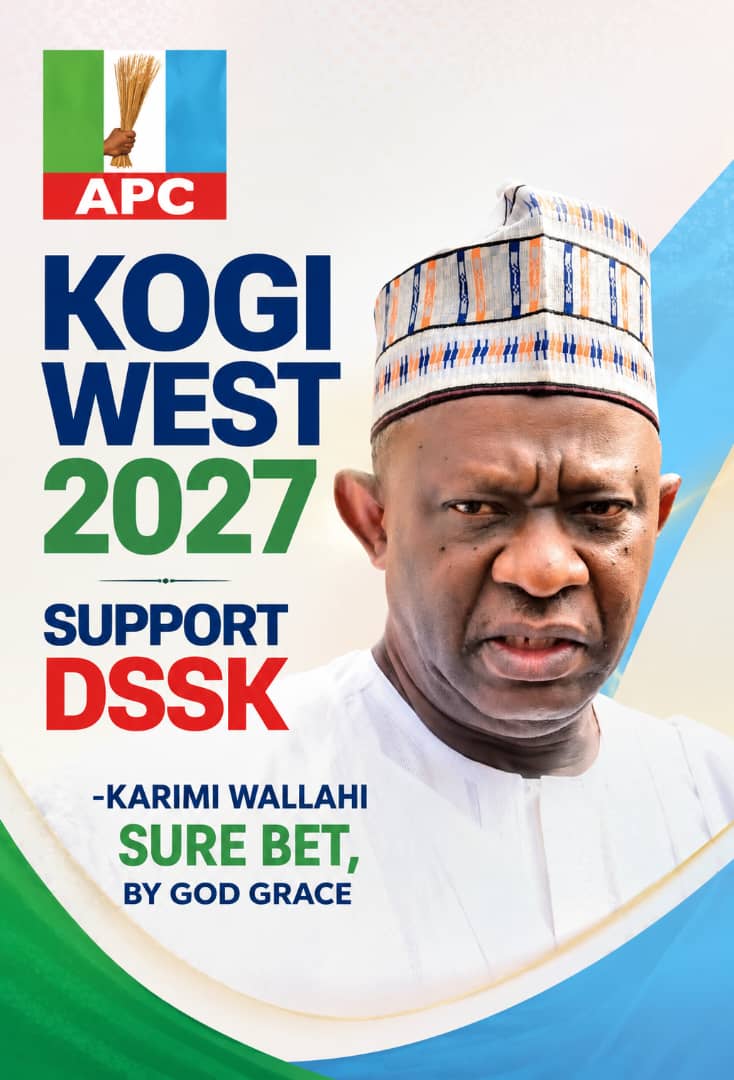
Ejibunu argued that Kogi West, comprising the Okun Yoruba, Lokoja/Koton Karfe axis and other communities, had yet to have its opportunity to occupy the highest executive office in the state, despite its contributions to the development and history of Kogi.
He said the demand for power rotation by Kogi West should therefore be understood as a demand for justice and equal opportunity rather than a plea for political favour.
“Kogi West is not begging for power, but negotiating for justice,” he said, adding that what is considered good for Kogi East and Kogi Central should also be regarded as right for Kogi West.
The former customs officer stressed that the three senatorial districts must work together as members of one political family, insisting that “unity without equity, fairness and inclusion is domination.”
He recalled the historical evolution of the people of the present-day Kogi State, noting that the various groups had passed through different political formations before eventually becoming one state.
According to him, the shared history of the people makes it necessary for the three zones to embrace a system that gives each an opportunity to produce the governor at different times.
Ejibunu identified what he described as the “unity dividend” of power rotation, which he divided into political, democratic and governance benefits.
On the political benefits, he said rotation would help end agitation and the sense of marginalisation among zones that feel excluded from executive power.
He argued that equal opportunity would make citizens feel like genuine owners and co-owners of the state, thereby strengthening their commitment to its development.
He also maintained that power rotation could promote political stability and reduce ethnic voting, as citizens would be more inclined to assess candidates based on competence when they are confident that executive power would eventually reach their zone.
On democracy, Ejibunu said the principle of majority rule must be accompanied by protection of minority rights.
He argued that a fair arrangement for sharing executive power would create a precedent for equity in other areas of governance, including appointments, projects and political opportunities.
He further linked equitable political arrangements with peace and investment, stating that an atmosphere of fairness and inclusion could encourage investors and reduce tensions associated with agitation for political power.
On governance, Ejibunu said rotation could encourage healthy competition among the three senatorial districts, as each zone would be motivated to demonstrate good governance when given the opportunity to lead.
He also argued that rotating executive power could broaden the pool of leadership talent available to the state.
“If only one zone produces governor for 30 years, the state is fishing in one pound. But if all the three zones can produce a governor at different times, Kogi will be fishing in three pounds,” he said.
Ejibunu further argued that power rotation could promote balanced development, as governors from different zones would have a deeper understanding of the challenges confronting their respective areas while governing for the entire state.
He said the ultimate benefits would include reduced agitation, erosion of mutual mistrust, greater unity and wider distribution of development across the state.
He urged stakeholders to look beyond immediate political interests and consider the long-term future of Kogi, stressing that the state could only achieve sustainable prosperity when its people feel included in the political process.
Ejibunu also referred to the experience of states such as Delta, Enugu, Akwa Ibom, Edo, Plateau, Ondo and Ekiti, which, he said, had practised forms of executive power rotation since the beginning of the Fourth Republic in 1999.
He expressed confidence that Kogi State could develop its own workable model of power rotation without rancour, violence or political instability.
The former ACG identified political will, collective support from Kogites and divine guidance as essential requirements for the successful implementation of the principle.
He concluded by calling for a system in which equity and justice would become practical principles of governance rather than mere political slogans.
“Let equity roll, let justice prevail for a more united and prosperous Kogi State that we all would be proud of,” Ejibunu said.
DemocracyNewslineNewspaper October 2nd, 2026