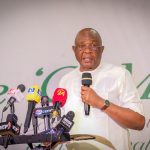

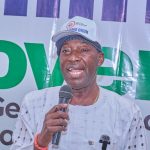
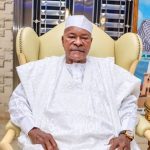
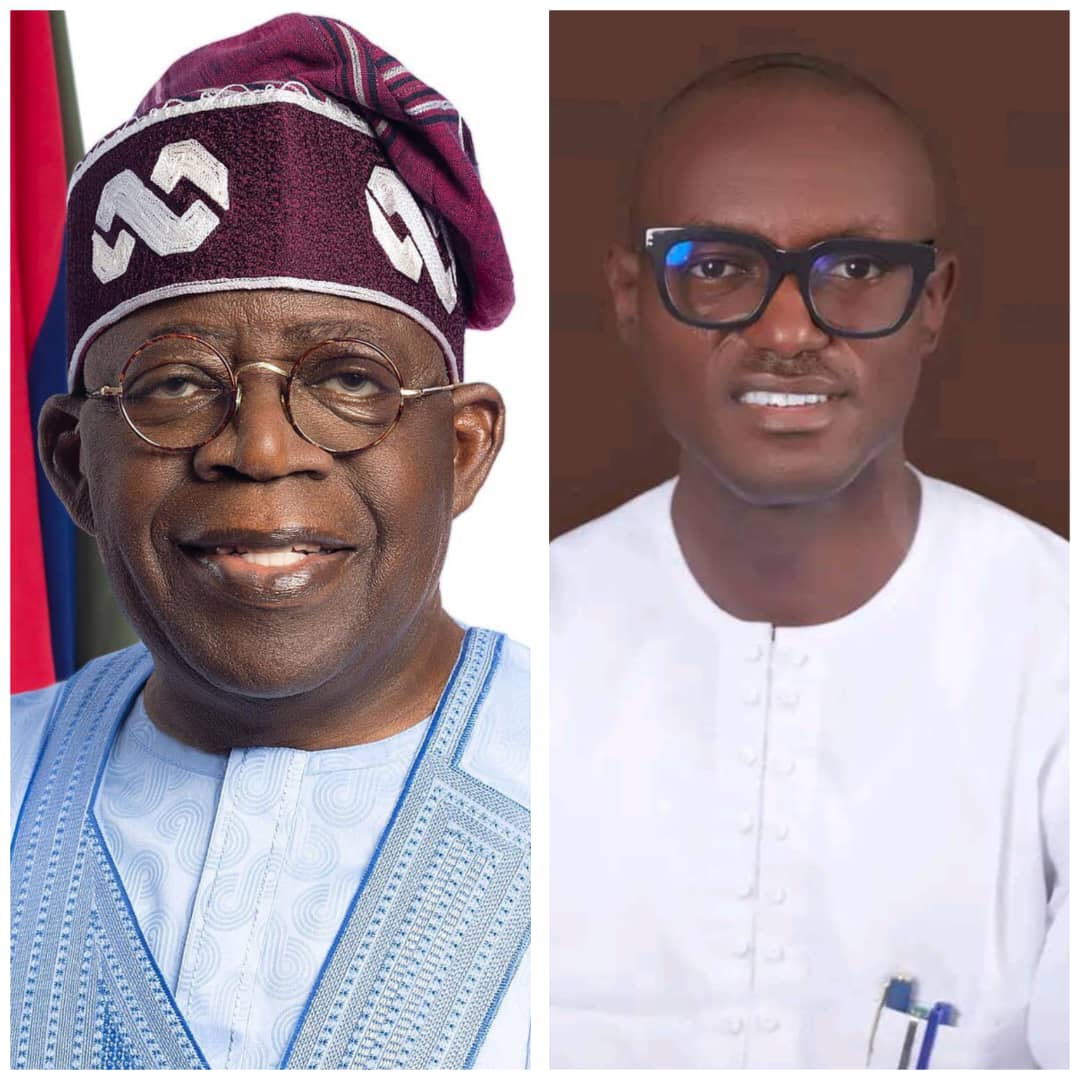

‘FOCUS ON TINUBU IN 2027, WAIT FOR KOGI WEST IN 2031’: ASIWAJU PRINCE OLATUNJI’S ROADMAP FOR PATIENCE AND POLITICS
By Temiloluwa Samuel
In a state where the governorship question resurfaces every election cycle, Asiwaju Prince Olatunji Olusoji is asking Kogi West to take a deep breath.
Chairman of Governoros Group of Companies and Founder of Prince Olatunji Olusoji Foundation, PROOF, Asiwaju Olusoji says the zone does not need protests or political warfare to claim Lugard House. Time, he argues, is already on its side.
- Advertisement -

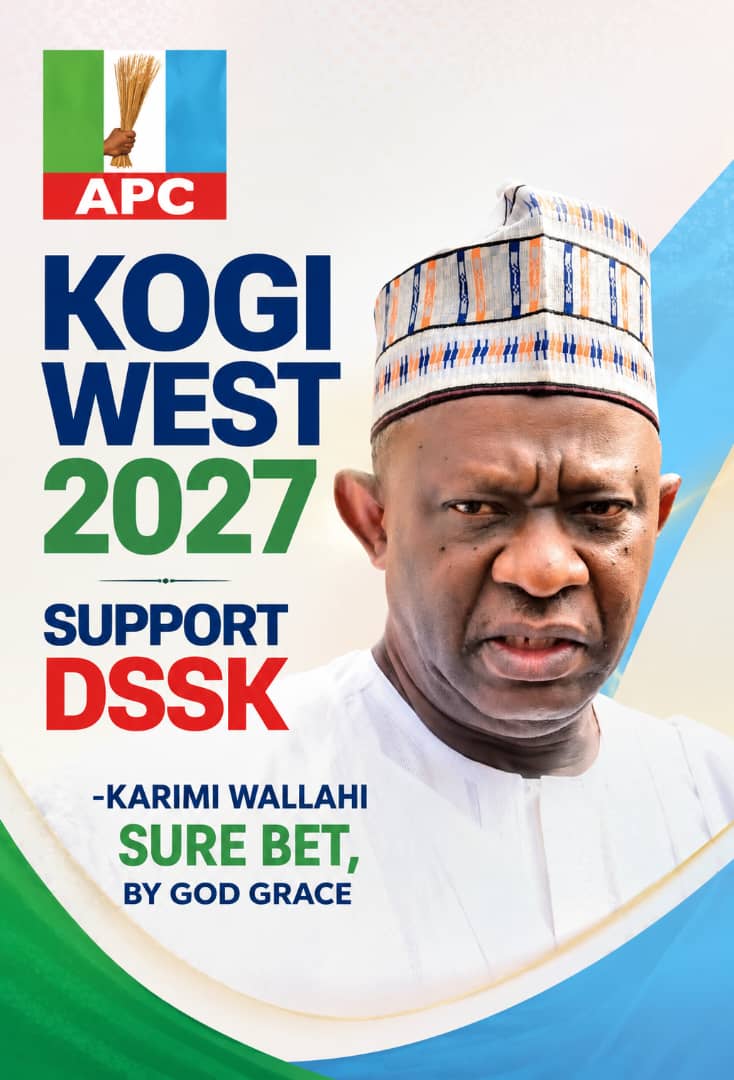
_“Kogi West doesn’t need to fight. Governorship will come naturally after Governor Ododo’s eight years in 2031,”_ he said.
But he added a caveat that is already reshaping conversations across the state: _“President Bola Tinubu’s re-election is more important now.”_
For Asiwaju Olatunji, Kogi politics in 2027 has two tracks that must not be mixed up.
He said the immediate task is to deliver Kogi State for President Bola Tinubu’s re-election bid in 2027.
_“We cannot be fighting ourselves at home and expect to have influence at the center,”_ he said. _“A second term for President Tinubu means more federal presence, more projects, and more opportunities for Kogi West. That is what we should be working on now.”
The governorship, with Alhaji Ahmed Usman Ododo of Kogi Central currently in office, Asiwaju Olatunji projects that by constitutional calculation, 2031 is Kogi West’s window.
_“If we are patient, if we are united, the seat will come to us without rancor,”_ he stated. _“Fighting now will only weaken us and give others reasons to deny us later.”_
Kogi West has never produced a governor since the state’s creation in 1991. The Okun people and Lokoja axis has watched power rotate between Kogi East and Kogi Central.
That history has fueled frustration, press conferences, and early campaigns. But Asiwaju says entitlement without preparation is why the zone has been overlooked.
_“We have shouted ‘our turn’ for too long without building the structure to back it,”_ he noted. _“From now till 2031, we must invest in education, in youth skills, in unity. That is how you make a governorship meaningful when it comes.”_
Through his PROOF Foundation, he has sponsored scholarships, vocational training, and entrepreneurship programs. He urged other Kogi West leaders to do the same.
_“Education can change a person’s story. It changed mine,”_ he said, quoting his popular line. _“But education alone is not enough. You need people. You need network. You need to build bridges across the state.”_
The biggest threat, he warned, is not Kogi East or Central. It is division within Kogi West itself.
“If we go into 2031 fighting between Okun and Yagba and Ijumu, we will lose again,” he said. “If we go united, with credible candidates and a clear development agenda, no one can stop us.”
He called on traditional rulers, youth groups, and political leaders to suspend internal rivalries and instead form a Kogi West Development Forum to coordinate projects and political strategy ahead of 2031.
And to the youths: _“Don’t allow yourselves to be used for violence. Channel your energy into learning and business. The governor we want in 2031 must meet a people who are ready to govern.”_
Linking the national to the local, Asiwaju argued that Kogi West’s 2031 ambition depends on federal goodwill.
“President Tinubu’s re-election is more important now,” he repeated. _“A president that trusts us will support a Kogi West governor in 2031. A president we fight against will not. Politics is about sequence.”
Political analysts say the positioning is strategic. By aligning Kogi West with the Tinubu 2027 project, the zone builds political capital that can be cashed in 2031.
Political analysts said, “What Asiwaju is saying is: let us help Mr. President now, so Mr. President and Nigerians will help us later.”_
He asked for commitment cards to skills programs and for elders to convene town halls on unity.
_“When the governorship comes in 2031, it must not be for Kogi West alone,”_ he concluded. _“It must be for all of Kogi. We must go there with a plan for roads, schools, hospitals, and jobs. That is how we justify the wait.”_
For now, his message is settling in: fight less, build more, deliver for Tinubu in 2027, and prepare to govern in 2031.
Whether an impatient electorate will buy into “strategic patience” remains the big question. But Asiwaju Prince Olatunji Olusoji has set the terms of the debate — and the calendar.
(DEMOCRACY NEWSLINE NEWSPAPER, JULY 25TH 2026)