

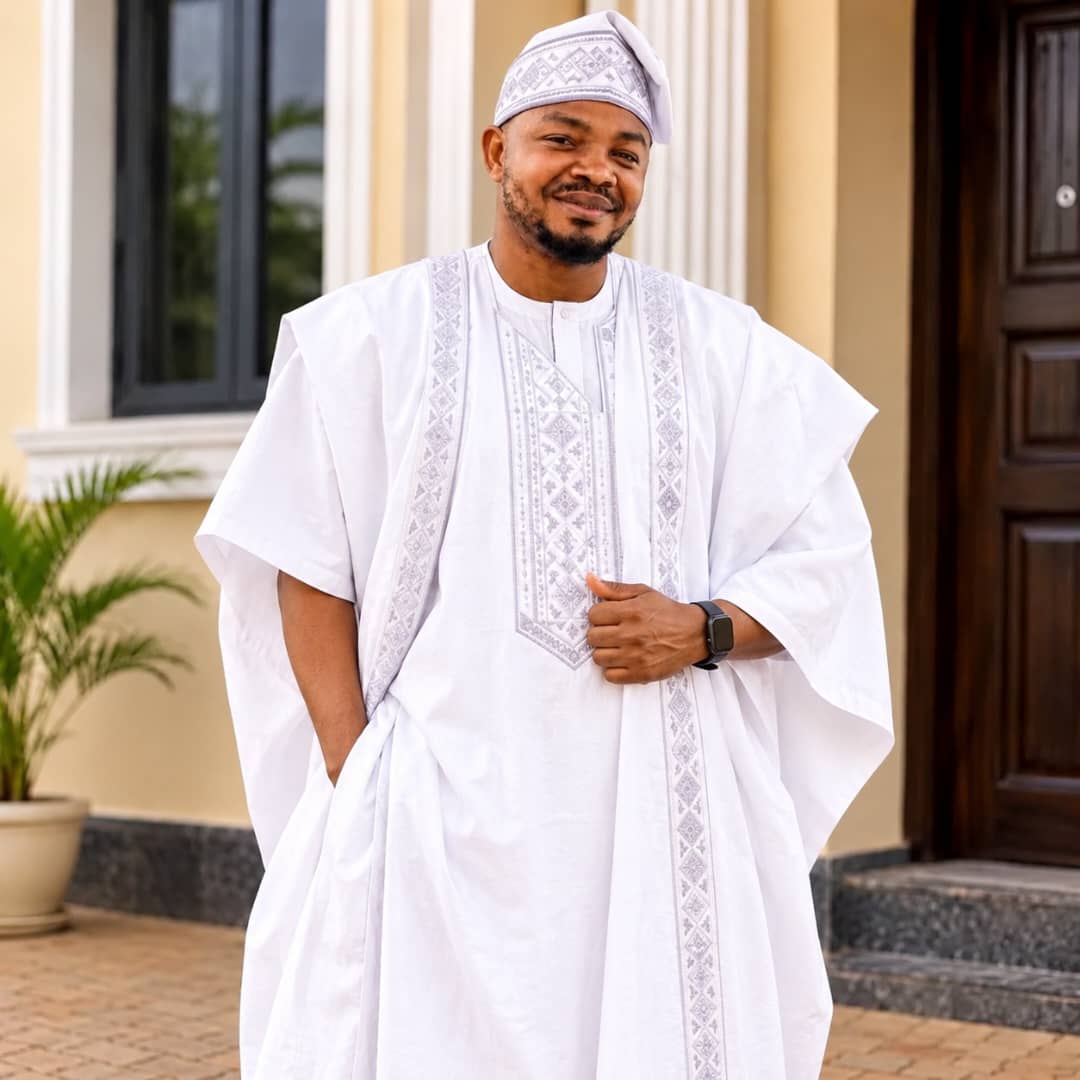

KOGI AND THE CURSE OF AMBITIOUS MEN WITHOUT STRATEGY
By Jeremiah Michael
Nigerian politics is replete with ambition but bereft of strategy. The quest for governorship is often driven by the allure of wealth, influence, and elite status. Yet, strategy is not about booking the Lugard House or Confluence Hall in Lokoja, wearing branded attires, and issuing a communique. As Richard P. Rumelt noted, real strategy is simple: diagnose the problem, explain why it exists, and demonstrate how you will solve it with available resources. A good strategy recognizes the nature of the challenge and offers a coherent path to surmounting it.
Everyone wants to be governor. We understand what the office confers. But the critical question remains: do you genuinely intend to solve problems? If so, you should have your answers prepared before you enter Government House. You should be ready to start work on day one. For anyone who has operated in a highly demanding environment where growth is a direct function of work done, governance is not as complex as it is made to appear.
- Advertisement -
Most of these elaborate strategy sessions and economic summits are merely avenues for expenditure. The budget for a single summit is enough to restore water supply to the Central Senatorial District, from where the incumbent governor hails. This is the stark reality. There was a time when water flowed in that district. We had functional waterworks. A good leader should be concerned about why they no longer work and make their restoration a priority.
I observed this firsthand last December. I travelled to Lokoja to visit my cousin at Felele. For two days, there was no water in his house. We had to buy water from water vendors at N200 per jerry can. Yet, from his backyard, you could see the river. A state situated at the confluence of the Rivers Niger and Benue, where citizens cannot get water to flush their toilets. That night, I fully grasped our governance failure.
Take Kogi as a case study. I know Kogi well. It is the only state that shares boundaries with ten other states and the Federal Capital Territory. If you are travelling by road from Lagos to Abuja, you must pass through Kogi. The state is endowed with iron ore in Itakpe, limestone in Obajana where Dangote built Africa’s largest cement factory, coal, marble, cashew, and cassava in abundance. Yet, there is no potable water in Lokoja, our youths are unemployed, and there is no manufacturing hub in the state except those that extract our resources in their raw form.
Why?
First, we have misdiagnosed our problems. Kogi does not suffer from water scarcity; it suffers from management failure. The Greater Lokoja Water Works exists. The rivers exist. What is absent is steady power to pump water, a reticulation network to distribute it, and a maintenance culture. Every year, government budgets billions for new water projects while over half of existing boreholes remain moribund because a pump costing less than N80,000 cannot be replaced. A serious administration will not award new contracts in its first year. It will summon the Water Board, audit all existing boreholes, fix them, deploy solar-powered pumps, and reticulate water. That would cost less than renovating Government House.
Second, we have resources but no value chain. Obajana produces cement for the entire nation, but where are the block industries, packaging companies, truck parks, and spare parts markets that should cluster around Obajana? Itakpe holds iron ore, yet Ajaokuta Steel remains a rusting monument. According to the National Bureau of Statistics 2023 report, our Internally Generated Revenue stands at about N23.6 billion, but most of it comes from PAYE of civil servants and deductions from Dangote. It is not derived from productive Small and Medium Enterprises. We collect revenue but we do not create wealth. When you look at these challenges closely, you can only weep, especially when those in power appear indifferent and surround themselves not with innovative youths, but with Special Assistants who are yet to find direction in their own lives.
Third, we have location but no leverage. Every trailer moving from Onitsha, Lagos, and Port Harcourt to the North makes a stop in Kogi. Where is our logistics park? Where are the cold rooms for tomatoes and cashew? Where is the industrial estate linked to the Itakpe-Ajaokuta rail line? We call ourselves the Gateway State, but we have not built the gate.
This is why I maintain that governance is not about grammar. In my work as Head of Operations in a bank, I have learnt one fundamental lesson: you do not fix a failing branch by organizing a retreat. You fix queue time, you fix cash shortage, you fix network failure. Small operational details. The same principle applies to a state.
If I were to advise Kogi, I would propose a simple, sequential plan:
*Year One:* Do not build anything new. Make existing infrastructure work. Fix water supply. Fix primary healthcare centres. Rehabilitate 200 boreholes with solar power.
*Year Two:* Build one functional industrial and logistics park between Lokoja and Ajaokuta. Fence it, provide access roads and electricity. Allocate plots to 500 small businesses to process cashew, cassava, and building materials.
*Years Three and Four:* Stop sharing money in the name of empowerment. Attach 10,000 young people to viable companies – Obajana Cement, Geregu Power Plant, and construction firms along the Lokoja-Abuja corridor. Pay the companies to train them.
This is not big grammar. It is not a summit. But it will work.
Until we begin to demand that those who aspire to be governor present their solutions before presenting their ambition, we will continue to fund elaborate events while our people buy water in a state that sits on two of Africa’s largest rivers.
*Jeremiah Michael, ACIB, ACILRM, MBA Finance and Investment.*
DemocracyNewslineNewspaper October 4th, 2026