





Nigeria at 66: CHRCR Calls for Sober Reflection, Stronger Security and Democratic Renewal
As Nigeria marks its 66th Independence anniversary, the Conscience for Human Rights and Conflict Resolution (CHRCR) has called on Nigerians and governments at all levels to use the occasion for sober reflection on the country’s democratic journey, security challenges and socio-economic development.
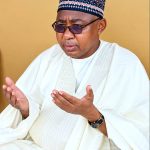
The Executive Director of CHRCR, Idris Miliki Abdul, in a statement issued in Lokoja, said Nigeria had made progress since independence but was still confronted with serious challenges that required urgent and collective action.
Abdul said although the country had not attained the level of development Nigerians desired, the ability of the nation to remain united despite decades of political, economic and social challenges was itself worth acknowledging.
According to him, insecurity, corruption, poverty, unemployment, inflation, economic deprivation and inadequate youth participation in leadership and governance remain major concerns requiring sustained attention.
- Advertisement -


He, however, noted that Nigeria had recorded progress in democratic governance, particularly through regular elections that provide citizens with opportunities to elect their leaders and representatives at federal and state levels.
The CHRCR executive director called for continuous improvement and the sustainability of democratic institutions, stressing that the country could not afford to undermine its democratic journey.
Abdul also expressed concern over what he described as actions and practices that had continued to create division and instability in the country, including ethnic and religious tensions, political conflicts, interference with legislative processes, disobedience to court orders and economic policies that place additional burdens on ordinary Nigerians.
He urged Nigerians to remain vigilant against activities capable of undermining national unity, peace and development.
On economic development, Abdul called for greater investment in industrialisation, noting that expanding the productive sector was necessary to create employment opportunities for Nigeria’s growing youth population.
He also acknowledged developments in infrastructure and the establishment of educational institutions across the country, while stressing that more needed to be done to accelerate national development.
A major part of the statement focused on insecurity and violent extremism. Abdul said violent extremism was often associated with governance challenges, corruption, inequality, unemployment, poverty and perceived political exclusion, which could create conditions that extremist groups exploit.
He argued that weak institutions and poor service delivery could further create an environment in which violent extremism thrives.
The CHRCR therefore called for stronger coordination among the Federal Government, state governments and local authorities in preventing and countering violent extremism.
According to Abdul, Nigeria’s response to violent extremism has remained fragmented, with various interventions sometimes operating independently without adequate coordination, shared data systems or unified policy direction.
He said the proliferation of statutory and non-statutory security agencies across the different levels of government made strategic coordination even more important.
The organisation consequently advocated the national integration of Preventing and Countering Violent Extremism (PCVE) strategies, with clearly defined responsibilities, common objectives, accountability mechanisms and measurable outcomes for federal, state and local actors.
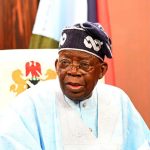
Abdul specifically called on President Bola Ahmed Tinubu and the Office of the National Security Adviser to urgently approve and make public the validated Preventing and Countering Terrorism Policy Document facilitated and coordinated by the National Counter Terrorism Centre (NCTC).
He said making the policy available would enable sub-national governments to develop complementary policies and strategies suited to their respective environments.
The CHRCR also stressed the need to balance national security with the protection of citizens’ rights, noting that security and welfare should be pursued together.
“The Nigerian Constitution does not give us the luxury of choosing between rights and security. It commands us to pursue both,” Abdul stated.
He maintained that security without welfare would remain fragile, just as welfare without security could not be sustained, urging civil society organisations, organised labour, government and citizens to work collectively to ensure that constitutional rights become meaningful realities for Nigerians.
On the 2027 general elections, Abdul urged political parties, candidates, supporters and voters to respect democratic rules and the choices of individuals and groups.
He called for peaceful, credible and transparent elections, warning that Nigeria could not afford to fail in its democratic journey after 66 years as an independent nation.
The CHRCR executive director concluded by urging Nigerians to use the Independence anniversary to reflect on the country’s achievements, challenges and responsibilities while renewing their commitment to peace, unity, democratic governance and national development.
He wished Nigerians a happy 66th Independence anniversary.
DemocracyNewslineNewspaper October 1st, 2026