



Politics and Security in the Niger Delta Region
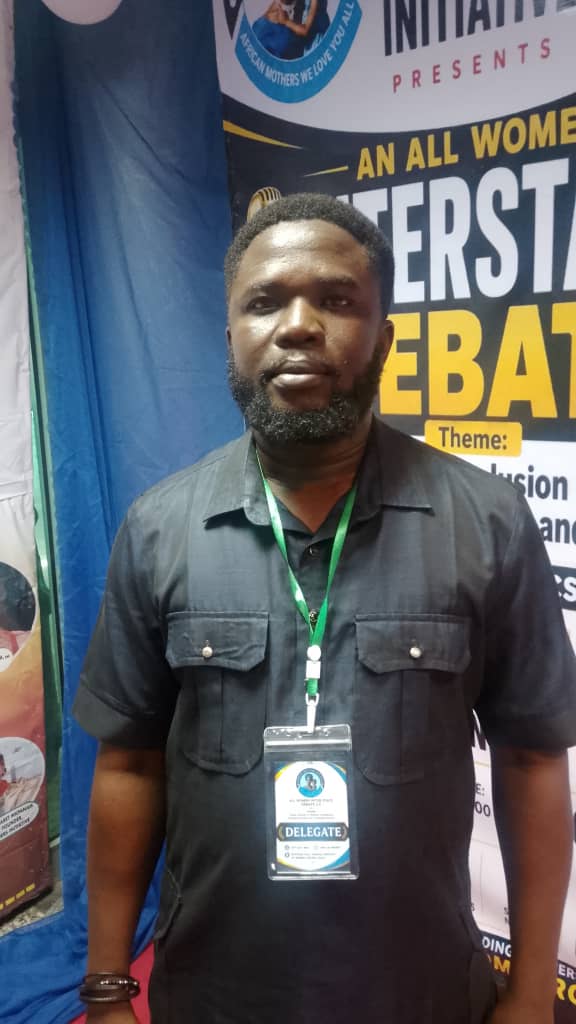
A SPEECH DELIVERED BY EMMA SATU, CONVENER OF THE NIGER DELTA EX-AGITATORS FORUM, ON THE OCCASION OF THE INTERSTATE DEBATE PUT TOGETHER BY THE AFRICAN MOTHERS INITIATIVE – WITH THE THEME: FAMILY INCLUSION IN NATIONAL DEVELOPMENT, FINANCIAL ECONOMY AND COMMUNITY SECURITY, FRIDAY, JULY 24,2O26, AT ROTUNDA HAKL, FEDERAL MINISTRY OF FOREIGN AFFAIRS,ABUJA.
The Chairman of this occasion, organizers of the African Mothers Initiative, and everyone present, I bring warm greetings to you from the Niger Delta, and I once again welcome you to this event.
- Advertisement -
I will be speaking on the topic “Politics and Security in the Niger Delta Region.”
As you know, I’m from the Niger Delta region, and though I’ve travelled far and wide, it always gives me great joy to talk about the Niger Delta because it’s more than a region – it’s a feeling, and a story – one which continues to be written daily – of wealth, survival, denial, degradation, strength, resilience and more.
Why so…? The Niger Delta is one of Nigeria’s most strategic regions. It is blessed with abundant oil and gas resources, vast waterways, fertile land and resilient people. Yet, despite contributing the bulk of Nigeria’s foreign exchange earnings, the region continues to grapple with insecurity, environmental degradation, unemployment and political tensions.
Politics and security are inseparable. When politics is inclusive, the end results are transparency, accountability, and peace. When politics is driven by selfish interests, injustice, exclusion, and insecurity follows.
Some of the major security challenges in the Niger Delta have been militancy, oil theft, pipeline vandalism, piracy, sea robbery, kidnapping and communal conflicts (although militancy, piracy, oil theft and sea robbery have drastically reduced – all thanks to Tantita Security Services Nigeria Limited).
These challenges have scared away investors, disrupted economic activities and caused hunger and hardship for ordinary citizens; thereby resulting in cultism, political thuggery, armed robbery and other forms of violent crimes in our communities.
The roots of these problems are complex. They include unemployment, poverty, environmental pollution caused by oil exploration, weak governance, corruption and feelings of marginalization among local communities.
Government has introduced several interventions over the years. The establishment of the Niger Delta Development Commission (NDDC), the Ministry of Niger Delta Affairs, and the Presidential Amnesty Programme were aimed at restoring peace and promoting development. And I must say that the Presidential Amnesty Programme (PAP) has done a lot of work in the areas of disarmament, training and reintegration of many of those who kept the Niger Delta region unsafe and unstable for so many years, and more work is being done by the current administration led by Dr. Dennis Brutu Otuaro.
While these initiatives have recorded some successes, much more remains to be done to ensure that development reaches every community.
Governments should be responsible and responsive to the plight of young people, especially the woman and youths. During the zenith of militancy in the Niger Delta, a lot of young women were involved, and there was no single camp you’d go to that you wouldn’t find women. This was so because at some point in time, the oppression and marginalization was too much, and the people had no option but to create a system for them to survive, to be relevant and to also take care of their families.
Nigeria has enough wealth to take care of every citizen. Go to other nations which are dependent on crude oil and gas for survival, and you’ll understand the magnitude of injustice against the people of the region.
If you go to Bile Community in Rivers State, and most oil producing communities in the Niger Delta, you’ll weep. A situation where the wealth from the area does not have any impact on the locals, yet their means of livelihood have been destroyed. You see communities where crude oil is gushing out from the ground or even pipelines, and the people of those communities have cried and cried but nothing is done. They are not even talking about clean-up. All what some of them are saying is: dear oil company, your pipeline is leaking crude oil into our community, come and stop it, but there’s no response. The communities now turn to the government and say: dear federal and state governments, so so and so company operating in our community, their pipeline is flowing crude oil into our land and water. Please, tell them to come and stop it, still, no response.
This is as a result of the kind of politics we play – a system which does not allow responsible people to emerge. And so, rather than integrate us, politics has divided us along ethnic, communal and sociopolitical lines. This is why even when something is very wrong and you complain, instead of addressing the issue, they will look for your political party and say you are being sponsored to complain. In some cases, some will say, why didn’t you complain when that man from you party or community was in power?
In the Niger Delta, this is a very big problem. Politics should not be used to engender division. Instead, political leaders should promote unity, fairness and inclusive governance. Elections should be peaceful, credible and free from violence. Young people should be empowered through education, vocational training, entrepreneurship and job creation rather than being used as political thugs.
Security is not the responsibility of government alone. Traditional rulers, religious leaders, women, youths, civil society organizations and security agencies must work together to build lasting peace.
At this point, I wish to emphasize the unique role of women.
Women are builders of families and communities. Mothers teach values, discourage violence and raise responsible children. They are often the first to notice signs of radicalization, cultism, drug abuse or criminal behaviour among young people. Therefore, women should not only participate in politics but also occupy decision-making positions where they can influence policies that promote peace, education, healthcare and economic development.
When women are included in governance, communities tend to experience greater social cohesion and better conflict resolution. This is why initiatives such as today’s All-Women Inter-State Debate are important. They amplify women’s voices in shaping Nigeria’s future.
Technology can also strengthen security. Intelligence gathering, community policing, surveillance systems and cooperation between local communities and security agencies can help combat criminal activities. However, security efforts must always respect human rights and the rule of law.
Economic empowerment remains one of the strongest weapons against insecurity. When young people have decent jobs, quality education and opportunities to succeed, they are less likely to engage in criminal activities. Governments at all levels should invest in agriculture, fisheries, tourism, technology, manufacturing and small businesses to diversify the Niger Delta economy beyond oil.
Environmental justice is equally critical. Cleaning up polluted communities, protecting the environment and ensuring that host communities benefit fairly from natural resources will reduce grievances and strengthen trust between citizens, government and oil companies.
In conclusion, lasting peace in the Niger Delta cannot be achieved through military action alone. It requires good governance, transparent politics, economic opportunities, environmental restoration, youth empowerment and active participation of women in leadership.
If politics serves the people, security will improve. If security improves, investments will grow. If investments grow, families will prosper. And when families prosper, the Niger Delta and Nigeria as a whole will enjoy sustainable development.
Let us all work together to build a peaceful, secure and prosperous Niger Delta for present and future generations.
Thank you, and God bless the Federal Republic of Nigeria.
Signed:
General Emma Satu
Convener, Niger Delta Ex-agitators Forum.
(DEMOCRACY NEWSLINE NEWSPAPER 27TH JULY)