





2027: Atiku Pledges Direct Federal Allocations, Full Autonomy for 774 Local Governments.
By Bala Salihu Dawakin Kudu
Northern Bureau Chief
September 2, 2026.
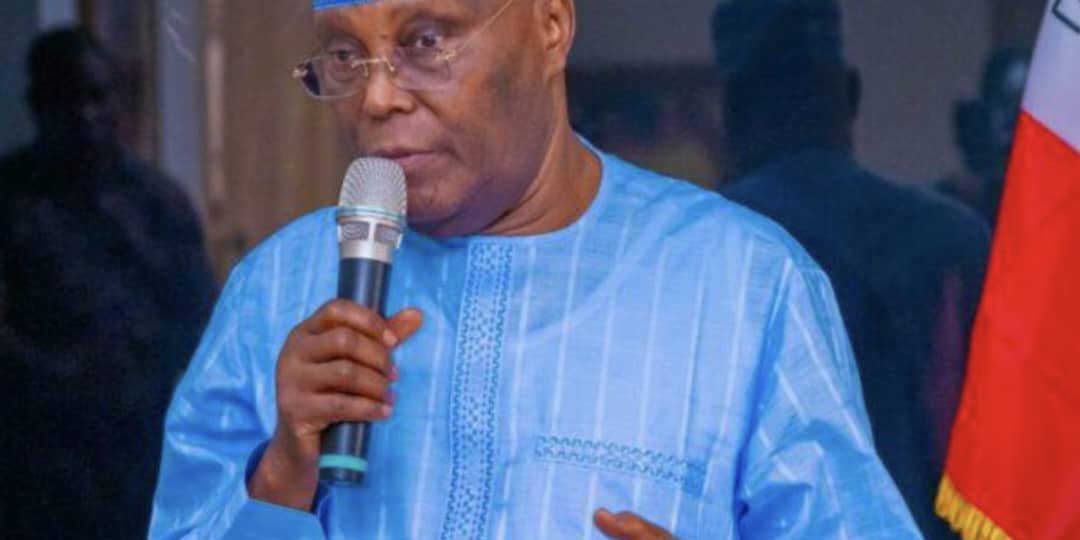
Former Vice President and presidential candidate of the African Democratic Congress (ADC) for the 2027 general elections, Atiku Abubakar, has pledged that, if elected President, his administration will fully implement the Supreme Court judgment affirming the financial autonomy of Nigeria’s 774 local government areas.
Atiku said his government would ensure that funds allocated to local governments from the Federation Account are paid directly to the councils, rather than being subjected to control or diversion by state governments.
The former vice president made the commitment as the debate over local government autonomy, fiscal federalism and the effective delivery of grassroots development continues to dominate Nigeria’s political discourse ahead of the 2027 elections.
- Advertisement -

The commitment was contained in a statement issued on Tuesday by his spokesman, Kenneth Okonkwo, in which Atiku reiterated his commitment to the rule of law, constitutional governance and strengthening the administrative and financial independence of local governments.
The pledge is particularly significant against the backdrop of the landmark judgment delivered by the Supreme Court on July 11, 2024, in a suit instituted by the Federal Government against the 36 state governors over the administration, finances and autonomy of local governments.
The apex court held that funds standing to the credit of the 774 local government areas should be paid directly to them from the Federation Account, rather than being controlled through state governments.
The judgment was widely regarded as a major development in Nigeria’s federal structure because local governments are constitutionally recognised as the third tier of government and are expected to provide basic services and infrastructure at the grassroot.
However, concerns have persisted over the implementation of the judgment, with debates continuing over the mechanisms for ensuring that local councils receive and independently administer funds due to them.
Atiku, while outlining his position, said his administration would ensure strict compliance with the Supreme Court decision and protect the constitutional rights of local governments.
According to him, granting local governments greater financial and administrative autonomy would bring governance closer to the people and improve the delivery of basic infrastructure and social services.
“My government will respect the judgment of the court, protect the autonomy of local governments, ensure that public funds reach the people for whom they are appropriated, and restore genuine federalism,” Atiku was quoted as saying.
He argued that direct access to their statutory allocations would enable local governments to plan and execute development projects more effectively, particularly in areas such as roads, primary healthcare, basic education, water supply, sanitation and rural development.
The former vice president also linked stronger local government institutions with the need to address Nigeria’s security challenges.
According to him, empowered local councils would be better positioned to respond to grassroots security concerns because local authorities are closer to communities and more familiar with the circumstances and challenges confronting their people.
He further argued that effective local governance could contribute to poverty reduction by creating opportunities for grassroots economic development, supporting small businesses and improving access to basic public services.
The question of local government autonomy has remained one of the most contentious issues in Nigeria’s federal system.
For years, advocates of local government autonomy have argued that excessive control of council finances by state governments weakens grassroots administration and limits the ability of elected local officials to execute development programmes.
Supporters of the autonomy argument maintain that local governments should have greater control over their statutory allocations so that elected councillors and chairmen can be held directly accountable by their constituents.
Opponents, however, have raised questions about the capacity of some councils to independently manage substantial public resources, stressing the need for stronger accountability mechanisms, transparency and institutional oversight.
The implementation of the Supreme Court judgment has therefore become an important test of Nigeria’s commitment to fiscal federalism and constitutional governance.
Implications for 2027
Atiku’s latest pledge is also likely to become an important component of the political debate ahead of the 2027 presidential election, particularly in rural communities where local governments constitute the most immediate level of government.
With the majority of Nigerians living outside major urban centres, local councils play a critical role in the provision of basic infrastructure and services.
Political analysts are expected to scrutinise how presidential candidates propose to reform the relationship between the Federal Government, state governments and local councils.
Atiku’s position places local government autonomy within his broader argument for restructuring Nigeria’s federal system and strengthening the principles of devolution and fiscal responsibility.
The former vice president has consistently advocated reforms aimed at strengthening federalism, arguing that greater responsibilities and resources should be devolved to the sub-national level.
For local government officials and grassroots stakeholders, however, the central question will be whether political promises can translate into effective implementation, transparency and measurable improvements in the lives of ordinary Nigerians.
As the 2027 election approaches, the issue of who controls local government resources—and how those resources are deployed—could therefore become a major campaign issue, particularly across Nigeria’s rural and underserved communities.
For Atiku, the pledge to enforce the Supreme Court judgment represents both a commitment to the rule of law and an attempt to redefine the relationship between the three tiers of government.
Whether such a policy would produce the desired improvement in grassroots development would ultimately depend not only on the release of funds but also on transparency, accountability, effective auditing and the capacity of local governments to manage their resources responsibly.
Democracy NEWSLINE Newspaper, September 2, 2026.