

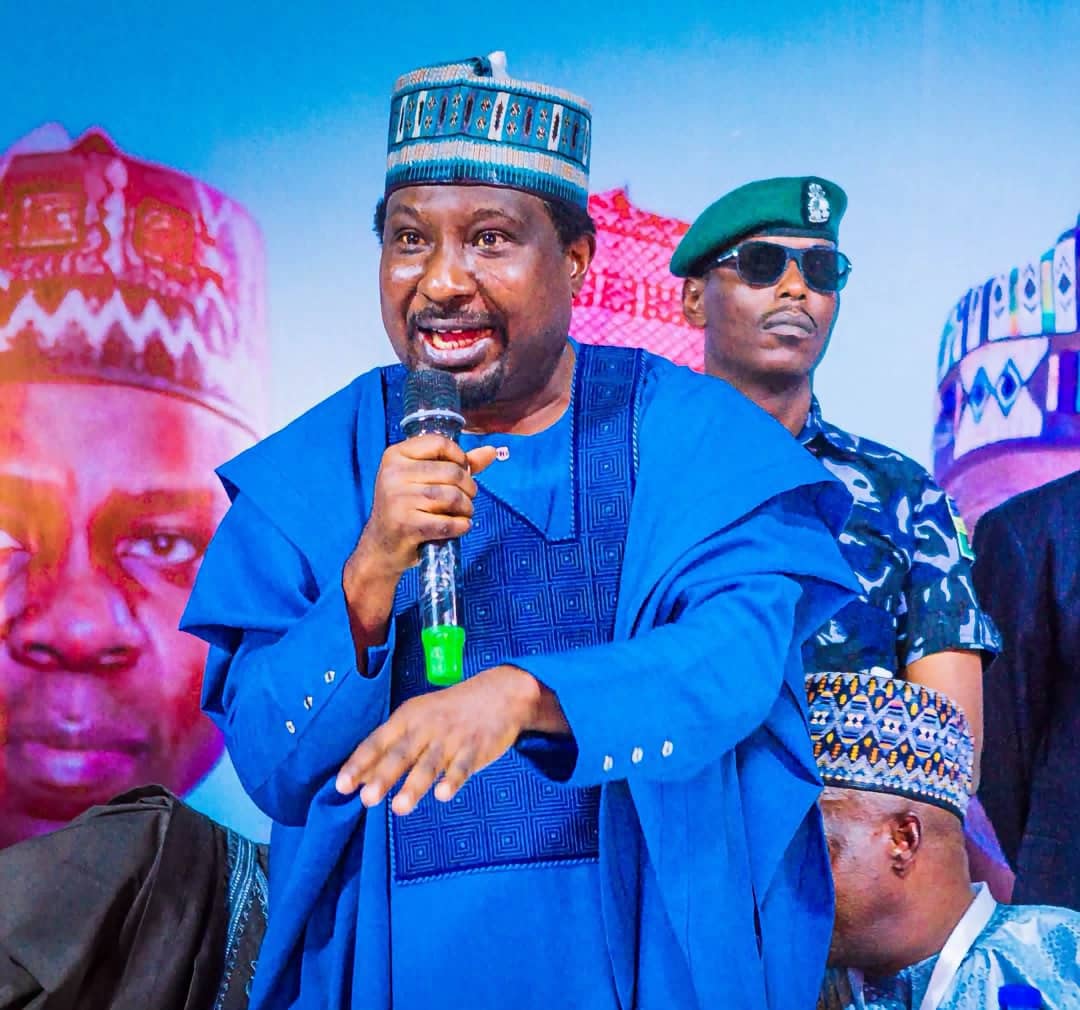

BARAU I. JIBRIN’S LEGISLATIVE SCORECARD: 42 BILLS, 25,000 SCHOLARSHIPS AND MAJOR DEVELOPMENT PROJECTS PLACE KANO NORTH ON THE NATIONAL STAGE.
By Bala Salihu Dawakin Kudu
November 2, 2026.
As political activities gradually gather momentum ahead of the 2027 general elections, the performance of elected representatives is increasingly becoming an important subject of public discussion across Kano State, particularly in Kano North Senatorial District.
Among the political figures whose legislative and developmental records are attracting attention is the Deputy President of the Nigerian Senate, Senator Barau I. Jibrin, whose representation of Kano North has been associated with several legislative initiatives, educational interventions, empowerment programmes and federal development projects.
One of the notable aspects of his legislative record is the reported sponsorship of 42 bills within three years, reflecting his involvement in lawmaking and parliamentary activities at the National Assembly.
In the education sector, Senator Barau’s interventions include scholarships for approximately 25,000 students, sponsorship of 70 postgraduate students for studies in India and support for 4,183 students of the Federal College of Education (Technical), Bichi.
- Advertisement -
He has also supported students attending various tertiary institutions, while promoting educational development through initiatives aimed at expanding access to higher education and creating opportunities for young people.
Another significant intervention attributed to his representation is his role in facilitating the establishment of the Federal University of Science and Technology, Kabo, an institution expected to contribute to scientific research, technological advancement and human capital development in the region.
His contributions also extend beyond Kano State. He facilitated the establishment of the North-West Development Commission, an institution designed to address development challenges across the North-West geopolitical zone.
In the area of security, his interventions include facilitating 1,000 motorcycles for the Nigeria Police Force to strengthen operational mobility and improve security responses.
Transportation development has equally featured in his constituency-related interventions, particularly through the launch of the Kano North Transport Service, comprising 107 buses, intended to improve transportation opportunities and connectivity.
On healthcare, Senator Barau has supported development initiatives at Aminu Kano Teaching Hospital and facilitated efforts towards the proposed establishment of a Federal Medical Centre in Gwarzo. These interventions are particularly relevant to the need for accessible and improved healthcare services across Kano North.
Youth empowerment and economic support have also formed part of his activities, including programmes targeting young people, distribution of empowerment materials and assistance to political and community stakeholders.
Beyond his responsibilities at the Nigerian Senate, Barau has participated in legislative engagements at the ECOWAS Parliament, providing another platform for contributing to regional parliamentary discussions and cooperation.
As the 2027 general elections approach, Senator Barau’s record presents an important opportunity for public assessment of legislative representation, constituency development and the delivery of democratic dividends.
For the people of Kano North, the central issues remain the measurable impact of these interventions, the sustainability of completed projects, the equitable distribution of opportunities and the fulfilment of outstanding development needs.
Ultimately, the assessment of any elected representative should be based not only on the number of projects announced or bills sponsored, but also on their implementation, accessibility and lasting benefits to ordinary citizens.
Senator Barau’s political future will therefore remain an important subject in Kano’s evolving political landscape as stakeholders, party members and constituents evaluate the achievements, expectations and priorities that will shape the 2027 elections.
By Bala Salihu Dawakin Kudu Democracy Newsline Newspaper 08060017934
DemocracyNewslineNewspaper November 2nd, 2026