




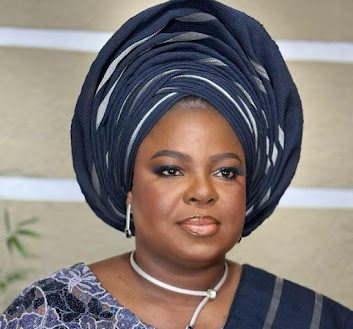

CHIEF MRS TOYIN OMOLE: IYA EWE OF GBEDE KINGDOM, A WOMAN OF EXEMPLARY CHARACTER, PHILANTHROPY AND COMMUNITY DEVELOPMENT
By Our Reporter
In every society, there are exceptional individuals whose contributions to humanity transcend personal achievements and reflect a genuine commitment to the welfare of others. Chief Mrs Toyin Omole, the Iya Ewe of Gbede Kingdom, is one such woman whose philanthropic disposition, community development initiatives and support for young people’s education have earned her a place among women worthy of celebration.
Based in the United States of America, Chief Mrs Omole has maintained a connection with her roots, extending support and making donations to various communities across Okunland in Kogi State, Nigeria. Her philanthropic activities reflect the importance of remembering one’s heritage and contributing to the development of the communities that shape one’s identity.
Beyond the prestige associated with her traditional title, Chief Mrs Omole represents the values of generosity, compassion, cultural pride and service to humanity. Her commitment to community welfare and the educational advancement of young people highlights the significant role that individuals in the diaspora can play in strengthening their home communities.
- Advertisement -


Philanthropy is most meaningful when it responds to the needs of people and provides opportunities for communities to improve their circumstances. For Chief Mrs Toyin Omole, giving is an important expression of solidarity with her people and a practical way of contributing to community development.
Through her support and donations to various communities in Okunland, she has demonstrated the importance of extending a helping hand to people and institutions working towards collective progress.
Her philanthropic disposition reflects a broader tradition among Nigerians in the diaspora who continue to support their communities through donations, social interventions and other forms of assistance.
For communities facing developmental challenges, such support can help strengthen local initiatives, encourage community participation and reinforce the belief that progress is a collective responsibility.
Chief Mrs Omole’s connection to Okunland also underscores the importance of maintaining strong ties between people living abroad and the communities from which they originate. Geographical distance need not weaken the bonds of cultural identity, shared history and mutual responsibility.
One of the most significant areas of Chief Mrs Omole’s philanthropic interest is the support she provides to young people pursuing their education.
Education remains one of the strongest instruments for personal development, social mobility and national progress. However, many young people face financial and other challenges that threaten their ability to complete their studies and fulfil their potential.
The support of philanthropists and community-minded individuals can help ease some of these difficulties, giving students renewed hope and the opportunity to pursue their ambitions.
By supporting young people’s educational pursuits, Chief Mrs Omole is contributing to a cause with benefits that extend beyond individual beneficiaries. An educated young person is better positioned to contribute to family welfare, community development and the wider society.
Her commitment to educational support also sends an important message to young people: that their dreams matter and that members of their communities, including those living abroad, can play a role in helping them achieve their goals.
At a time when investment in human capital is essential to Nigeria’s development, philanthropy directed towards education deserves recognition and encouragement.
For many Nigerians living in the diaspora, success abroad carries a responsibility to contribute to development at home. Chief Mrs Omole’s philanthropic engagement with communities in Okunland reflects this enduring connection between diaspora achievement and local development.
Community development requires more than government intervention. It also benefits from the participation of citizens, traditional institutions, private organisations, philanthropists and other stakeholders who are willing to contribute to the common good.
Donations and community support can complement existing efforts to address local needs, strengthen social relationships and encourage others to participate in development initiatives.
As a US-based philanthropist, Chief Mrs Omole represents the potential of diaspora engagement to support grassroots development. Her contributions highlight how individuals living outside their homeland can remain actively connected to the welfare and progress of their people.
Such efforts also provide an opportunity to inspire other successful Nigerians abroad to consider how their resources, experience and professional networks can benefit their communities of origin.
Traditional titles occupy an important place in Yoruba society, serving as symbols of cultural identity, honour and recognition. They also provide opportunities for titleholders to support the preservation of customs, strengthen communal relationships and encourage responsible leadership.
As the Iya Ewe of Gbede Kingdom, Chief Mrs Toyin Omole holds a title that connects her to the cultural heritage of her people.
The significance of such a title goes beyond its ceremonial value. It can also serve as a platform for promoting unity, supporting worthy causes and encouraging younger generations to appreciate their history and traditions.
For a woman whose philanthropic interests include communities in Okunland and the educational advancement of young people, the title provides an opportunity to celebrate the relationship between cultural identity and service to humanity.
Her example reinforces the idea that recognition becomes more meaningful when accompanied by a willingness to contribute to the welfare of others.
The true measure of a person’s impact is often reflected in the lives touched, the opportunities created and the encouragement offered to others.
Chief Mrs Omole’s philanthropic activities and support for education provide an opportunity to celebrate the contributions of women who use their resources and influence to advance community welfare.
Her story also highlights the important place of women in philanthropy and grassroots development. Across communities, women continue to contribute to social progress through charitable giving, mentorship, educational support and initiatives that strengthen families and empower younger generations.
By supporting communities in Okunland while living in the United States, Chief Mrs Omole demonstrates the continuing relevance of diaspora philanthropy to local development.
Her commitment to young people’s education is particularly noteworthy because it focuses attention on the next generation, whose knowledge, skills and determination will help shape the future of their communities.
Ultimately, the value of philanthropy lies not simply in the resources donated but in the difference such generosity makes in people’s lives. Support for education can open doors to new opportunities, while community donations can strengthen local efforts to improve social welfare.
Chief Mrs Toyin Omole, the Iya Ewe of Gbede Kingdom, deserves recognition for her reported contributions to community development in Okunland and her support for young people pursuing their education.
Her story is a reminder that distance should not diminish a person’s sense of responsibility towards their roots, and that success can carry a deeper meaning when it is used to uplift others.
As communities continue to seek sustainable ways of improving their welfare and creating opportunities for their younger generations, the contributions of philanthropists and committed members of the diaspora remain valuable.
Chief Mrs Toyin Omole: The Iya Ewe of Gbede Kingdom, a US-based philanthropist whose commitment to community support, educational advancement and the welfare of her people reflects the enduring virtues of generosity, cultural pride and service to humanity.
DemocracyNewslineNewspaper October 21st, 2026