

DANJUMA LEADS POWERFUL MIDDLE BELT DELEGATION TO TINUBU, SIGNALS SUPPORT FOR 2027 RE-ELECTION.
By Bala Salihu Dawakin Kudu
November 8, 2026.
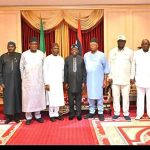
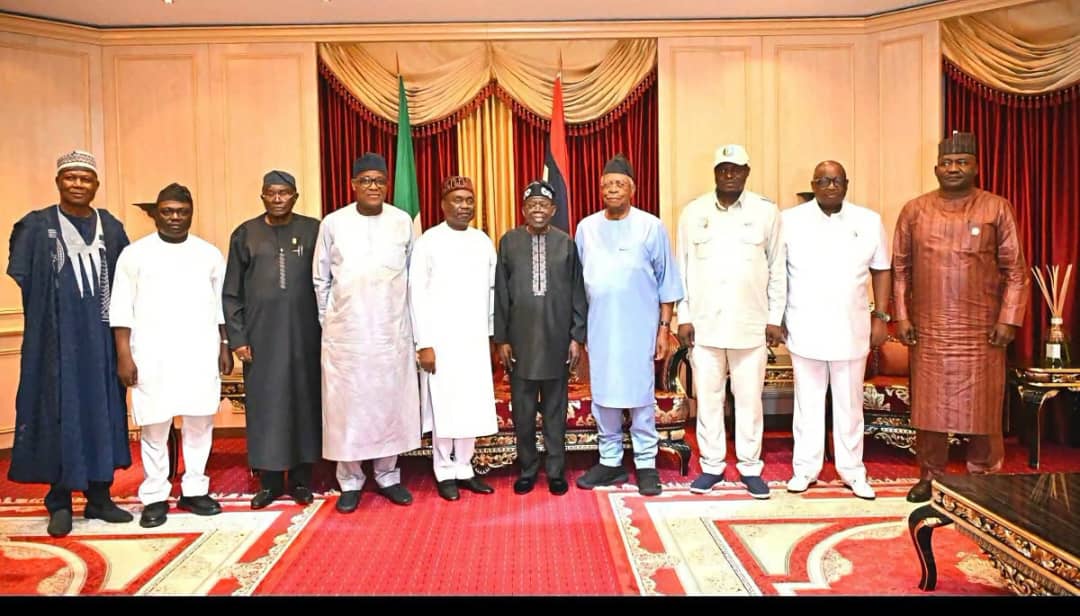
ABUJA — Former Minister of Defence and elder statesman, General Theophilus Yakubu Danjuma (retd.), has led a high-powered delegation of prominent Middle Belt and North-Central leaders to meet President Bola Ahmed Tinubu at the Presidential Villa, Abuja, in a significant political engagement ahead of the 2027 general elections.
The meeting, which took place on Thursday, November 5, 2026, has attracted considerable political attention, particularly as consultations, alliances and mobilisation efforts intensify across the country ahead of the next presidential election.
The delegation comprised influential political leaders, serving government officials, former military chiefs, prominent politicians and business personalities drawn from different parts of the Middle Belt and North-Central geopolitical zone.
- Advertisement -
Among those who accompanied General Danjuma were the Minister of Defence, General Christopher Musa; Plateau State Governor, Caleb Manasseh Mutfwang; Taraba State Governor, Agbu Kefas; and former Speaker of the House of Representatives, Hon. Yakubu Dogara.
Other notable members included former Chief of Army Staff, General Ishaya Bamaiyi; businessman and political leader, Thomas Etuh; Dr. Poju Bitrus; and National Chairman of the All Progressives Congress (APC), Professor Nentawe Yilwatda.
The meeting is being viewed as an important political development, given the influence of the personalities involved and the strategic electoral importance of the Middle Belt and North-Central region in determining the outcome of the 2027 presidential election.
Speaking with State House correspondents after the meeting, former Speaker of the House of Representatives, Yakubu Dogara, explained that the delegation visited President Tinubu to demonstrate solidarity with his administration and discuss issues affecting the region, including security, development and political cooperation.
Dogara also expressed optimism about improvements in the security situation in parts of the North-East and North-Central regions, citing the Abuja-Kaduna highway as an example of an area where the situation had reportedly improved.
He nevertheless acknowledged the importance of sustaining efforts to address the security challenges confronting communities across the country.
Plateau State Governor Caleb Mutfwang also highlighted the importance of rebuilding confidence, promoting reconciliation and strengthening peaceful coexistence among communities divided by ethnic and religious differences.
He expressed encouragement over the growing efforts by young people from different religious and ethnic backgrounds to engage in dialogue and promote understanding.
The visit comes at a critical period when political stakeholders across Nigeria are beginning to consolidate their positions, build alliances and mobilise supporters ahead of the 2027 general elections.
The participation of General Danjuma, a respected elder statesman and former military leader, alongside serving governors, the Minister of Defence and other influential personalities, has further increased the political significance of the engagement.
The Middle Belt and North-Central region occupies an important position in Nigeria’s political calculations because of its electoral strength, geographical importance and diversity of political interests.
The region also faces longstanding challenges relating to insecurity, communal conflicts, displacement, unemployment, infrastructure deficits and the need for greater economic opportunities.
Consequently, political observers will be watching closely to see whether the latest engagement translates into a coordinated regional political mobilisation in support of President Tinubu’s second-term ambition.
Although the Presidency did not immediately publish detailed information about the discussions or announce any formal resolution arising from the meeting, Dogara’s post-meeting remarks indicated that the delegation was interested in strengthening its relationship with the Federal Government and exploring ways of mobilising support for the President.
The development is another indication that political consultations surrounding the 2027 presidential election are gathering momentum, with influential leaders and political groups positioning themselves ahead of the contest.
For President Tinubu, securing the confidence and cooperation of influential stakeholders across the Middle Belt and North-Central region could be an important factor in his efforts to build a broader national political coalition ahead of 2027.
However, the ultimate political decision will rest with Nigerian voters, whose expectations will largely revolve around security, economic recovery, employment, infrastructure, national unity and inclusive governance.
DemocracyNewslineNewspaper November 8th, 2026