

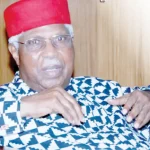




Gawuna’s Defection and the Kano Power Struggle: A Political Earthquake in the Making.
By Bala Salihu Dawakin Kudu
Northern Bureau Chief, Democracy Newsline
March 29, 2026
The looming defection of Nasiru Yusuf Gawuna from the All Progressives Congress (APC) to the African Democratic Congress (ADC) is fast emerging as a decisive moment in Kano politics ahead of 2027.
With over 800,000 votes in the 2023 governorship election, Gawuna remains one of the most formidable grassroots politicians in Kano.
Yet, his growing frustration within the APC—amid claims of marginalization and exclusion from federal opportunities—has pushed him toward a possible alliance with Rabiu Musa Kwankwaso and the Kwankwasiyya movement.
- Advertisement -
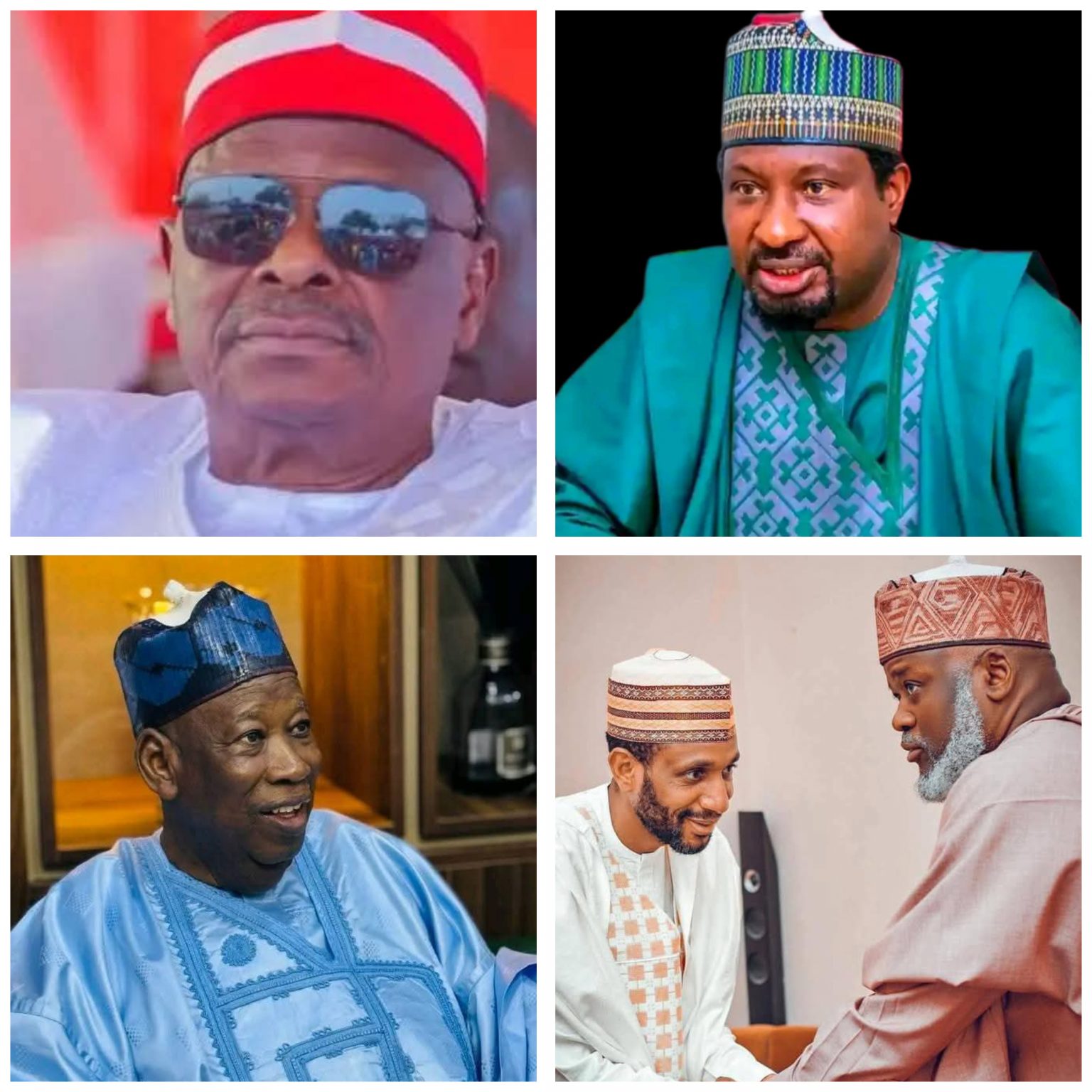
For Barau I. Jibrin, the implications are severe. Widely seen as a governorship aspirant, Barau now risks losing political ground if Gawuna defects.
The move could weaken APC’s base, fracture party unity, and jeopardize Barau’s future ambitions.
Meanwhile, Kwankwaso stands to gain the most. A Gawuna-Kwankwaso alliance could consolidate opposition strength and reshape Kano’s electoral dynamics.
The crisis has also exposed deep divisions within APC, particularly between factions aligned with Abdullahi Umar Ganduje and Barau, with figures like Murtala Sule Garo caught in the crosscurrents.
Despite reported intervention efforts by Bola Ahmed Tinubu, the situation remains unresolved.
If Gawuna defects, the consequences could be far-reaching: a weakened APC, a strengthened opposition, and a major shift in Kano’s political balance. This is no ordinary political movement.
It is a potential political earthquake.
Kano is on the brink of a political upheaval—and the warning signs are impossible to ignore. The possible defection of Nasiru Yusuf Gawuna from the All Progressives Congress (APC) is not just about one man leaving a party. It is a referendum on how power is managed, rewards are distributed, and loyalty is treated within Nigeria’s ruling political structure.
Gawuna’s grievance—real or perceived—reflects a deeper dysfunction. A candidate who delivered hundreds of thousands of votes now feels sidelined. That alone should alarm any serious political organization.
But the greater story lies in the rivalry with Barau I. Jibrin.
Barau’s consolidation of power within Kano APC may have strengthened his short-term standing, but it appears to have come at a cost: alienating key allies. Politics, especially in Kano, is not a solo enterprise. It is a coalition game—and breaking coalitions has consequences.
If Gawuna defects and aligns with Rabiu Musa Kwankwaso, the APC may face a united and energized opposition. Kwankwaso, long regarded as Kano’s most resilient political strategist, thrives in moments like this—when opponents are divided and vulnerable.
The internal fractures within APC—spanning figures like Abdullahi Umar Ganduje and Murtala Sule Garo—only deepen the crisis. What should be a dominant political machine now resembles a house divided against itself.
Even the intervention of Bola Ahmed Tinubu may not be enough. National authority cannot always resolve local grievances—especially when trust has eroded.
The lesson here is simple:
Political dominance is not sustained by power alone, but by inclusion, balance, and strategic accommodation. If APC fails to reconcile its internal differences, it risks handing Kano—one of Nigeria’s most critical political states—to its rivals without a fight. And if that happens, history will record this moment not as an opposition victory—but as a self-inflicted defeat.
(DEMOCRACY NEWSLINE NEWSPAPER, MARCH 29TH 2026)