




Jigawa Assembly Orders Recovery of Allegedly Misappropriated Funds from Former Administration
By Bala Salihu Dawakin Kudu Democracy Newsline Northern Bureau Chief. April 23, 2026.
In a move that signals a renewed push for fiscal accountability, the Jigawa State House of Assembly has directed authorities to recover public funds allegedly misappropriated during the administration of former governor Muhammad Badaru Abubakar.
The resolution followed the adoption of a detailed report presented before the Assembly, which recommended the retrieval of government funds believed to have been diverted between 2019 and 2024. The funds in question are linked not only to the state government but also to all 27 local government councils across Jigawa State.
- Advertisement -
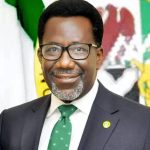
Presenting the findings during a plenary session, the Chairman of the House Committee on Public Accounts, Isyaku Abubakar, outlined the extensive investigative process undertaken by the committee. He explained that the panel conducted public hearings, allowing citizens and stakeholders to present their views, while also scrutinizing audit reports from both the state Auditor-General’s office and local government financial records for the period under review.
According to Abubakar, the committee’s work was guided by a commitment to transparency and due process. “We engaged relevant institutions, reviewed documented evidence, and ensured that every step complied with legal and procedural standards,” he noted during the session.
The Assembly’s directive underscores growing concerns over financial governance and the management of public resources at both state and local levels.
Analysts suggest that the move could mark a turning point in efforts to strengthen accountability mechanisms and deter future financial misconduct in the state.
While the resolution does not immediately imply guilt, it places the responsibility on appropriate authorities to investigate further and recover any funds proven to have been unlawfully diverted. Observers say the coming months will be critical in determining how effectively the directive is implemented and whether it leads to broader institutional reforms.
For many residents, the development represents a test of political will—one that could redefine public trust in governance and reinforce the principle that public office remains a position of responsibility, not privilege.
(DEMOCRACY NEWSLINE NEWSPAPER, APRIL 23RD 2026)