

Okun Unity Dialogue: Col. Abayomi Dare Calls for Common Front on Security, Development
By Our Correspondent
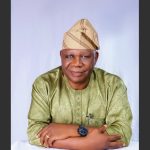
ABUJA — A retired military officer, Colonel Abayomi Dare (Rtd.), has called on the people of Okunland to put aside political differences and build a common front to tackle insecurity and accelerate socio-economic development across the region.
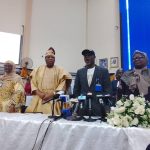
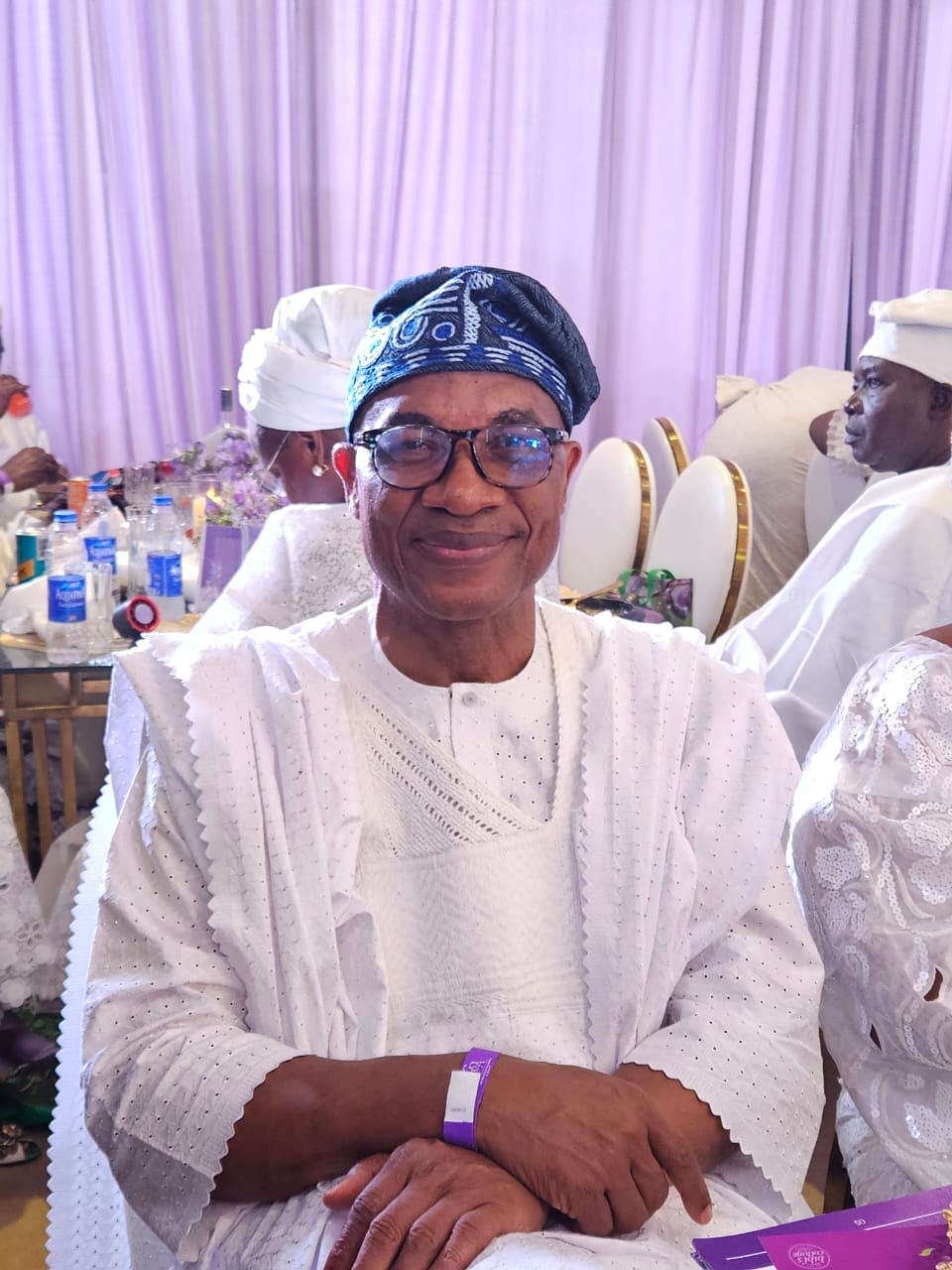
Dare made the call while presenting a paper titled “Okun Unity, Security and Collective Development: The Imperative of a Common Front for the Future of Okunland” at the Okun Unity Dialogue 2026, held on Thursday, September 3, 2026, at the Armed Forces Officers Mess & Suites, Asokoro, Abuja.
- Advertisement -

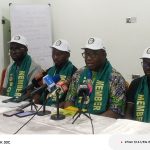
The dialogue, organised by the Okun Development Initiative (ODI), had as its theme, “A Call to Unity, Love and Collective Development.” It brought together Okun leaders, traditional rulers, political stakeholders, professionals, business leaders, women and youth representatives to deliberate on the future of Okunland.
Dare said the gathering provided an opportunity for Okun people to “talk to one another, listen to one another and, above all, rediscover the bonds that make us one people.”
He stressed that his presentation was not motivated by partisan interests, declaring that he attended the gathering primarily as an Okun son.
According to him, Okunland possesses enormous human and natural resources, with its people excelling in the military, police, judiciary, academia, politics, business, medicine, engineering, agriculture and technology.
However, he noted that insecurity remained one of the major threats capable of undermining the region’s development.
“There can be no meaningful development without security, and there can be no sustainable security without unity,”
Dare stated, stressing that security and development should be treated as interconnected priorities.
Unity Must Transcend Politics
The retired colonel cautioned Okun people against allowing political differences to destroy their collective identity and interests.
He explained that unity does not mean that everyone must belong to the same political party, support the same candidate or hold identical opinions.
“We can disagree politically and still stand together developmentally. We can support different candidates and still defend Okunland. We can compete politically and still cooperate economically,” he said.
Dare urged political actors to ensure that partisan competition does not become a source of permanent division among the people.
He argued that issues such as security, education, infrastructure, economic empowerment and the welfare of Okun people should remain above partisan politics.
Calls for Okun Security and Intelligence Network
One of the major proposals in the presentation was the establishment of an Okun Community Security and Intelligence Network to strengthen cooperation between communities and formal security agencies.
Dare said the proposed network should not become a political organisation or an instrument for witch-hunting opponents, adding that it must also not encourage vigilantism.
Rather, he said, the initiative should facilitate early identification of security threats, prompt reporting of suspicious activities, information sharing with security agencies, community sensitisation and emergency communication.
He summarised the proposed approach as: “See early. Report early. Respond early.”
He also proposed the establishment of an Okun Security Council, comprising representatives of traditional institutions, retired and serving security personnel where appropriate, community leaders, youths, women, farmers, transport and market associations, religious leaders and professionals with expertise in security, intelligence, technology and emergency management.
According to him, the council would complement, rather than replace, government security agencies.
Technology, Youth Empowerment and Rural Security
Dare also called for the deployment of technology to improve community security, suggesting the use of emergency hotlines, digital incident reporting, CCTV in strategic locations, community radio, rapid-alert systems, GPS-enabled patrols and secure communication channels.
He, however, warned that technological tools must be deployed responsibly, with adequate safeguards for privacy and protection against abuse.
On youth development, the retired officer described young people as potential security partners rather than threats.
He advocated skills acquisition, entrepreneurship, agriculture, technology, sports, community service, apprenticeship, vocational training and leadership development as strategies for reducing youth vulnerability to criminal recruitment.
He equally emphasised the need to improve the security of farmers and rural communities, stressing that agriculture cannot thrive when farmers are afraid to access their farms.
Dare called for the mapping of vulnerable farming areas, improved communication between farmers and security agencies, better emergency response and responsible community vigilance.
He warned that community vigilance must complement, and not compete with, formal security structures.
Economic Development as Security Strategy
The retired colonel argued that the concept of security must go beyond the absence of kidnapping and armed robbery to include economic, food, health, environmental and human security.
He proposed the creation of an Okun Economic and Investment Council to identify investment opportunities, agricultural value chains, tourism, industrial development, diaspora investment, youth entrepreneurship and public-private partnership opportunities.
He also called for greater mobilisation of the Okun diaspora, urging professionals and successful Okun sons and daughters across Nigeria and abroad to contribute their expertise and resources to the development of their ancestral homeland.
Common Development Agenda
Dare further proposed the development of a Common Okun Development Agenda, with measurable targets covering security, education, healthcare, agriculture, youth employment, infrastructure, industrial and investment development, technology, tourism and political cooperation.
He said such an agenda would enable Okun people to hold successive governments accountable, irrespective of political party.
For the resolutions of the dialogue to translate into action, he proposed the establishment of an Okun Unity and Development Secretariat, an Okun Security and Intelligence Committee, an Okun Security and Development Master Plan, an Okun Youth Empowerment and Employment Programme, and an Okun Investment and Development Fund.
He also recommended that the Okun Unity Dialogue become an annual event to review progress and sustain collective action.
Proposes Okun Security Pact
Dare called on the gathering to consider the development of an “Okun Security Pact”, which would commit Okun communities and leaders to protecting human life, rejecting kidnapping and criminality, preventing communal and political violence, reporting credible security threats and supporting legitimate security agencies.
The proposed pact would also promote peaceful dispute resolution, protect vulnerable persons and prevent the harbouring of criminals.
He declared: “Okunland must not become a safe haven for criminals,” while stressing the need to make the region increasingly difficult for criminal networks to operate.
“Let Us Put Okun First”
In his concluding remarks, Dare urged every Okun person to move beyond asking what Okunland could do for them and instead consider what they could contribute to the development of the region.
He appealed to political leaders to place the interests of Okunland above personal political ambitions.
“Let us organise. Let us cooperate. Let us invest. Let us secure our communities. Let us empower our youths. Let us protect our farmers. Let us support our traditional institutions. Let us engage government constructively. Let us hold our leaders accountable,” he said.
Dare expressed optimism that a prosperous and secure Okunland was achievable if the people deliberately chose unity over division, cooperation over suspicion and development over destruction.
He ended the presentation with a call for collective action, declaring: “Let us put Okun first. Let us put humanity first. Let us put peace first. Let us put development first.”
He thereafter concluded with the traditional Okun affirmation: “OKUN A GBE GHA O!”
DemocracyNewslineNewspaper, September 5, 2026