



PAAU Takes Theatre for Development to Olofu, Mobilises Community for Grassroots Development
The Department of Theatre Arts, Prince Abubakar Audu University (PAAU), Anyigba, Kogi State, has taken its community development initiative to Olofu community in Dekina Local Government Area, using theatre to mobilise residents and draw attention to their socio-economic challenges.
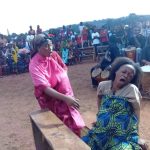
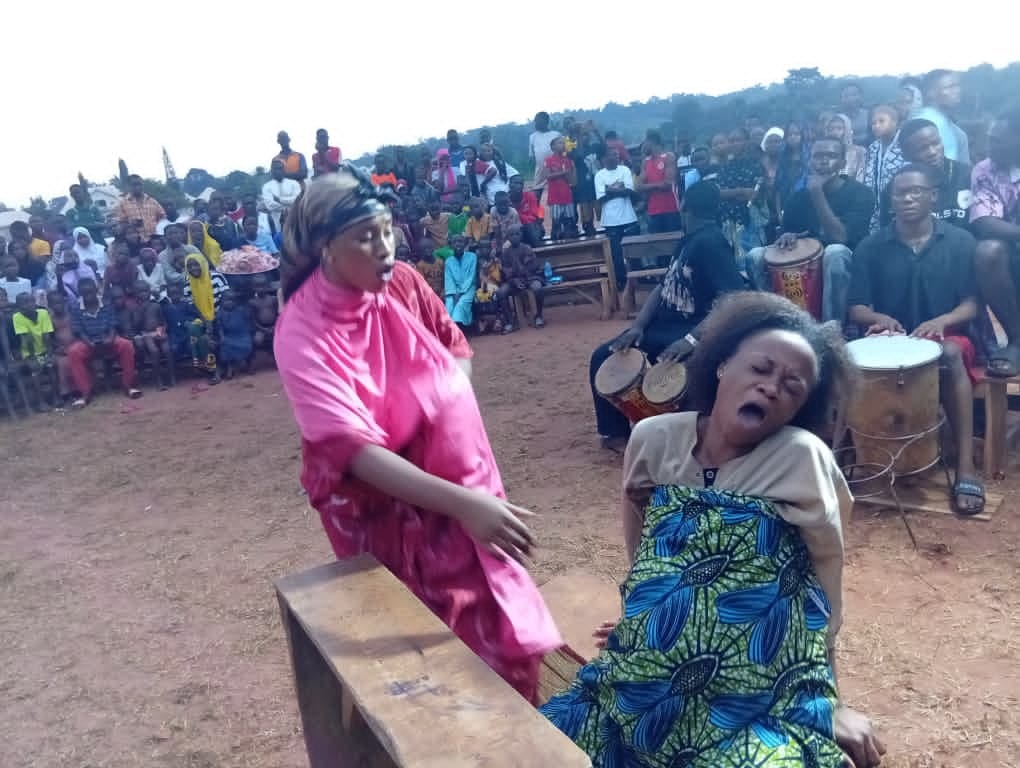
While appreciating the Vice chancellor of PAAU, Professor Usman Ogbo for approving the programme, Dr. Godwin Onuche, the Head, Department of Theatre Arts, said the six-day Community Theatre for Development (CTfD) programme, which held from October 16 to 21, 2026, featured interactive sessions, community engagement and dramatic performances aimed at promoting grassroots development and addressing issues affecting the residents.
He noted the initiative, which has been sustained for over 23 years since the establishment of the department and the university, is designed to bridge the gap between academic research and community realities through participatory theatre.
- Advertisement -

More than 160 students of the department participated in the exercise, working with residents to identify their challenges, prioritise pressing needs and develop possible solutions through community-based dramatic presentations.
The programme culminated in a dramatic showcase on October 21, which attracted traditional rulers, community leaders, security officials, academics and other stakeholders.
The university delegation was led by the Head of the Department of Theatre Arts, Dr Godwin Onuche, while the Vice-Chancellor, Prof Usman Ogbo Salisu, was represented by the Dean of the Faculty of Arts and Humanities, Prof Muhammed Jibrin, who attended with his wife.
Other members of the university delegation included Prof Williams Sunday Onogu, Dr Jonathan Okpanachi, Dr Sam Ojonugbede Alidu and Dr Faith Oziohu Salami.
During the community data-gathering phase, residents highlighted the absence of potable water, inadequate electricity supply, lack of a healthcare facility and the absence of a well-equipped school as some of the major challenges confronting Olofu.
The community also lamented the deplorable condition of its roads, which reportedly become difficult to navigate during the rainy season and expose residents to severe dust pollution during the dry season.
Residents further expressed dissatisfaction with what they described as decades of neglect by successive administrations, accusing politicians of making unfulfilled promises during electioneering campaigns without addressing their basic needs.
The educational challenges of the community were also highlighted, with the presence of the current principal, Salifu Adaji, and his predecessor, Mr Mohammed Saidu, underscoring the concerns over the state of education in the area.
The grand finale attracted the Onu Dooga of Olofu, His Royal Highness, Hon Alhaji Hassan Suleiman Akebe, alongside community leaders, youth representatives and security stakeholders.
Other personalities present included Youth Leader Ibrahim Hassan, Gago Mr Lawal Abu, Vigilante Chairman Mr Abu Ndah, VGN Chairman of Agbenema Mr Hassan Usman, Elder Sule Akwu, Gago Ademu Wada, former Dekina councillor Hon Musa Yahaya, Samuel Jibo, Ademu Salifu, Isah Husseini, Ahmedu Tijani Abubakar and Adamu Adah.
As part of efforts to translate the theatrical engagement into concrete development outcomes, the organisers inaugurated a joint committee comprising university stakeholders and representatives of the Olofu community.
The committee is expected to prepare a comprehensive communique and an actionable development plan outlining the community’s priority needs and strategies for addressing them.
The initiative also provides for periodic follow-up and monitoring by the PAAU research team and community leaders to ensure that the recommendations are implemented and sustained.
The organisers expressed optimism that the exercise would move beyond theatrical performances to stimulate meaningful government intervention and promote sustainable development in Olofu, while strengthening the relationship between the university and its host communities.
DemocracyNewslineNewspaper November 13th, 2026