


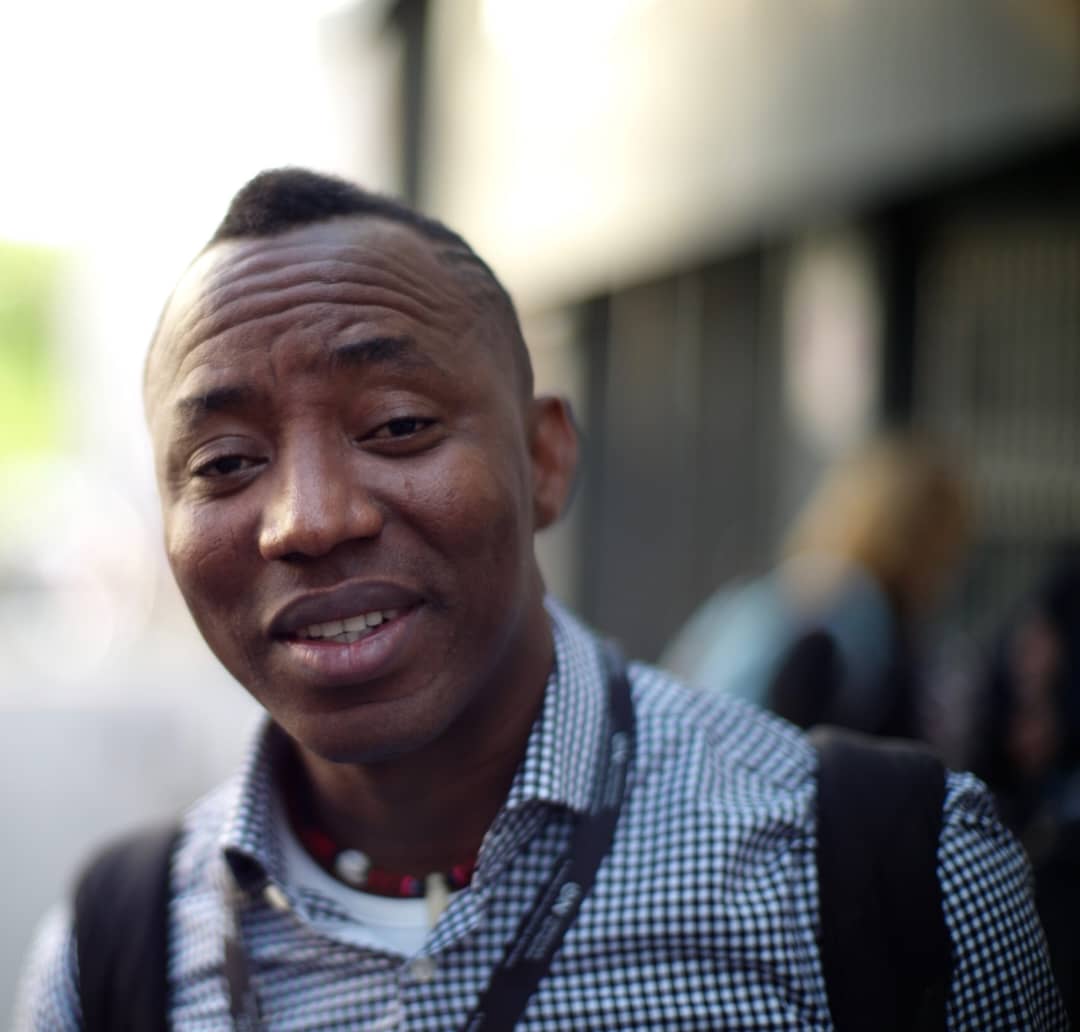

Sowore Blasts Atiku, Kwankwaso, Mark Over Protest Against INEC.
By Bala Salihu Dawakin Kudu
Democracy Newsline, Northern Bureau Chief
April 9, 2026.
Outspoken activist and former presidential candidate, Omoyele Sowore, has sharply criticised leading opposition figures including Atiku Abubakar, Rabiu Musa Kwankwaso, and David Mark over their recent protest against the Independent National Electoral Commission (INEC), describing their actions as “opportunistic, reactionary, and self-serving.”
The protest, which drew attention in political circles across the country, was staged by a faction of the African Democratic Congress (ADC), reportedly aligned with Senator Mark. The group took to the streets in Abuja to challenge INEC’s decision to derecognise them as the legitimate leadership of the party.
- Advertisement -
INEC’s decision followed months of internal wrangling within the ADC, with rival factions laying claim to the party’s national leadership. The electoral body, after reviewing submissions and court documents from both camps, ruled in favour of an alternative leadership, citing compliance with constitutional provisions and internal party processes.
Verified court judgments affirming a rival leadership structure, Failure of the Mark-led faction to meet statutory requirements and
Irregularities in the conduct of internal party congresses
INEC subsequently advised all parties to seek redress through the courts rather than public demonstrations, reiterating its commitment to neutrality and the rule of law.
The protest saw participation from prominent opposition figures, including Atiku and Kwankwaso, both of whom expressed concern over what they described as “threats to democratic space” and “institutional bias.”
However, Sowore dismissed their involvement as lacking credibility.
In a strongly worded statement, he described the protest leaders as:
“a coalition of political actors who had ample opportunity to fix Nigeria but chose instead to deepen its problems.”
He accused them of attempting to “rebrand personal political losses as national struggles,” arguing that their sudden embrace of protest culture was neither organic nor rooted in genuine concern for Nigerians.
Sowore, a long-time advocate for grassroots mobilisation, maintained that activism must be consistent and principled.
“True activism is not seasonal,” he said. “It is not something you pick up when the system no longer favours you.”
He added pointedly:
“We welcome them to the activist community, but we hope they will stay longer than this.”
Political observers interpret the remark as a critique of what Sowore perceives as “convenience activism” by established politicians.
In response to the controversy, INEC released an official statement reaffirming its independence and adherence to legal frameworks. The Commission clarified that:
Its decision was not politically motivated, All actions were guided strictly by the Electoral Act and court rulings, It remains open to reviewing its position if new legally binding judgments emerge
Stakeholder Engagement: Meetings with both ADC factions to clarify its decision, Legal Compliance Window: Opportunity for aggrieved parties to present fresh court orders.
Legal analysts note that the final resolution of the leadership dispute now rests with the judiciary, where pending cases are expected to provide definitive clarity.
The unfolding crisis has exposed deep fractures within Nigeria’s opposition landscape, raising questions about unity ahead of future electoral cycles.
While some analysts view the protest as a legitimate expression of dissent, others argue that internal party discipline and adherence to due process remain critical for democratic stability.
For now, the ADC leadership dispute—and the controversy surrounding INEC’s decision—continues to reverberate across the political arena, with potential implications for alliances, party structures, and electoral credibility.
(DEMOCRACY NEWSLINE NEWSPAPER, APRIL 9TH 2026)