





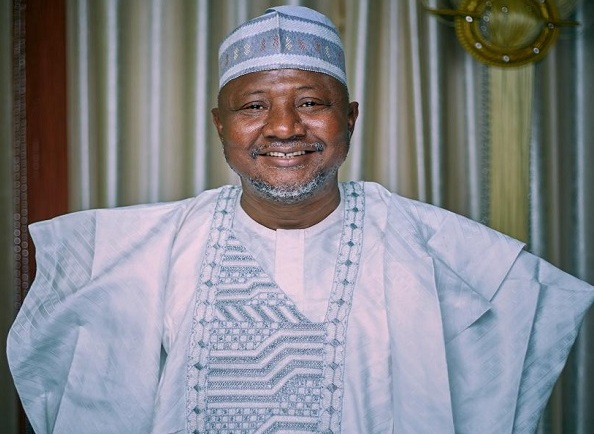

Top Northern Senator Dumps APC for ADC, Cites Injustice and Internal Crisis.
By Bala Salihu Dawakin Kudu
Democracy Newsline Northern Bureau Chief
June 23, 2026.
The political landscape of Kebbi State witnessed a major shake-up on Tuesday as Senator Garba Maidoki, representing Kebbi South Senatorial District, officially announced his defection from the All Progressives Congress (APC) to the African Democratic Congress (ADC).
The announcement, made during plenary at the National Assembly, immediately drew attention across Northern Nigeria, with political observers describing it as one of the most significant defections ahead of the next electoral cycle.
- Advertisement -

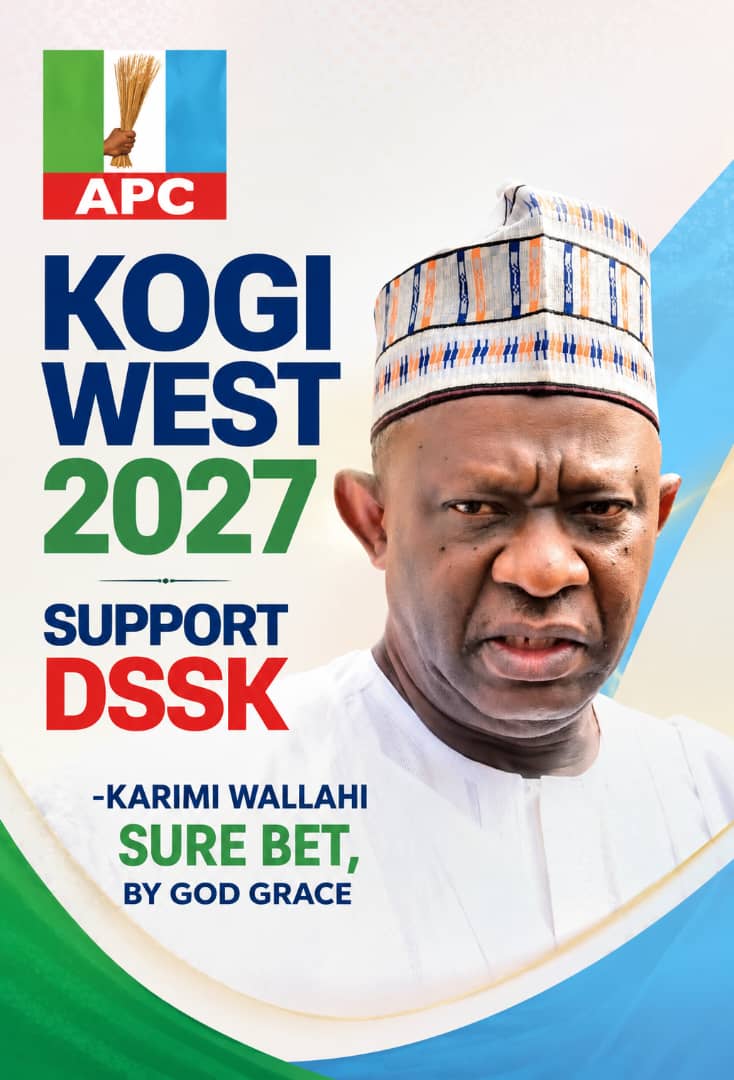
Maidoki’s letter of defection was read on the floor of the Senate by the Deputy Senate President, Senator Barau Jibrin, who presided over the session.
In the letter, the senator explained that his decision was not made lightly but was influenced by what he described as a prolonged internal crisis within the ruling APC.
According to him, the situation within the party had gradually weakened the confidence of many loyal members and affected the democratic principles upon which the party was founded.
“I am writing to inform the Senate President and my distinguished colleagues of my defection from the All Progressives Congress to the African Democratic Congress,” Maidoki stated.
He further explained that the lingering disputes and disagreements within the APC had become a source of concern to his political aspirations and the interests of the people he represents.
Political analysts believe the defection may have deeper implications for Kebbi politics, especially as dissatisfaction continues to grow among some stakeholders who feel marginalized in the state’s political structure.
The senator also expressed concerns over what he described as the failure of the APC to uphold justice, fairness, peace, and unity during recent political processes in Kebbi State, particularly during party primaries.
His remarks have reignited public discussions about governance and political inclusion in the state.
For several years, some residents, youth groups, community leaders, and political stakeholders have complained about what they perceive as unequal distribution of development projects, inadequate attention to rural communities, and limited opportunities for grassroots participation in governance.
While government officials have often defended their policies and achievements, critics argue that many communities continue to face challenges relating to infrastructure, healthcare services, education, and employment opportunities.
Across parts of Kebbi South, citizens have repeatedly called for greater investment in roads, water supply systems, schools, and agricultural support programmes. Many residents believe that the voices of ordinary citizens should play a more central role in policy decisions affecting their communities.
Political observers note that Senator Maidoki’s departure may encourage further debates about accountability, representation, and the future direction of politics in Kebbi State.
Supporters of the senator have praised the move, arguing that it demonstrates political courage and a commitment to standing against what they describe as unfair treatment within party structures. Others, however, maintain that political defections should ultimately be judged by the impact they have on governance and the welfare of the people.
Now a member of the African Democratic Congress (ADC), Maidoki says he intends to use his new political platform to advance the interests of his constituents and contribute to national development.
As Chairman of the Senate Committee on Legislative Compliance and Vice Chairman of the Committee on Information and National Orientation, the senator remains one of the influential voices from Northern Nigeria.
Whether his defection marks the beginning of a wider political realignment in Kebbi State remains to be seen.
However, one thing is certain: the decision has sparked conversations across the state and beyond, with many citizens hoping that political leaders will place the welfare, justice, and development of the people above personal and party interests.
The coming months are expected to reveal whether Maidoki’s move will inspire other political figures to reconsider their positions or strengthen calls for reforms within existing political structures.
(DEMOCRACY NEWSLINE NEWSPAPER, JUNE 24TH 2026)