


2027 Okun Governorship: Asiwaju Prince Olatunji Olusoji Deserves Respect, Not Blackmail
By Temiloluwa Samuel
As political activities intensify ahead of the 2027 governorship election in Kogi State, the debate over the political direction of Kogi West and Okunland has continued to generate divergent opinions among stakeholders.
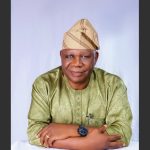
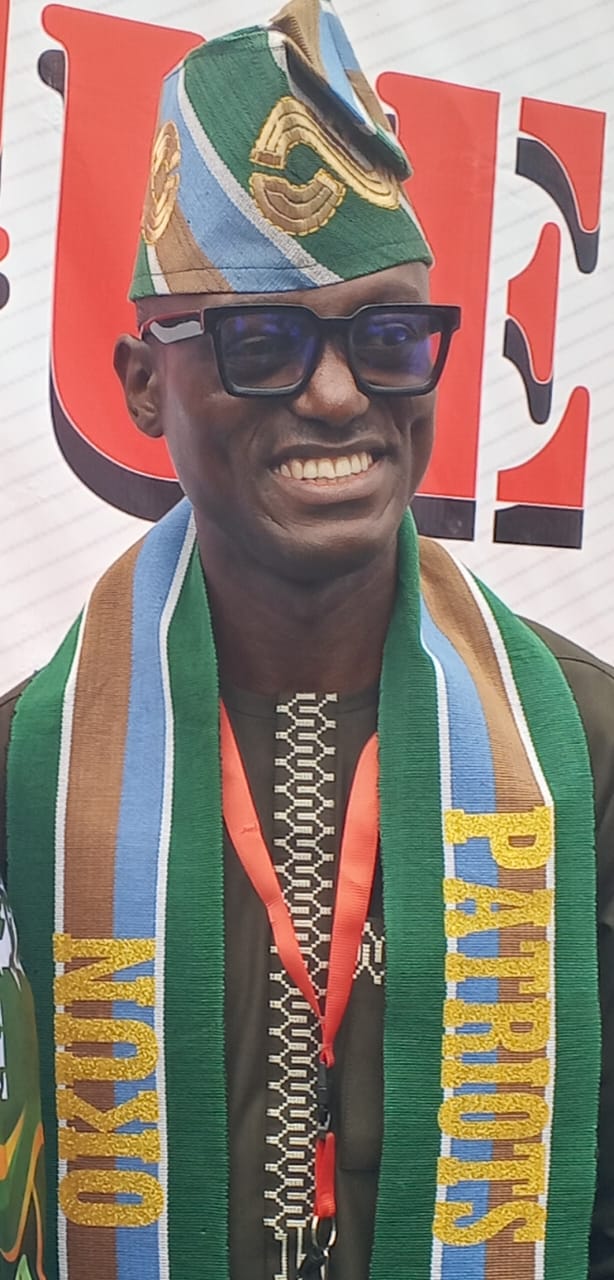
One of the voices contributing to the conversation is Asiwaju Prince Olatunji Olusoji, the Asiwaju of Ayere Kingdom, renowned philanthropist and Chairman of Governos Group of Companies, whose position that Kogi West/Okun should support the second-term aspiration of Governor Usman Ododo has attracted both support and criticism.
- Advertisement -

While political disagreements are natural in a democratic society, supporters of Olusoji’s position have maintained that his opinion deserves to be respected rather than met with personal attacks, blackmail or attempts to question his integrity simply because he has chosen to advocate a political strategy different from that of his critics.
His Opinion Is Not a Crime
In a democracy, individuals are entitled to express their political opinions, support candidates of their choice and propose strategies that they believe can advance the interests of their people.
Olusoji’s argument, as understood by his supporters, is fundamentally strategic: Kogi West cannot achieve its long-term governorship ambition in isolation.
Rather than viewing his position as a betrayal of the Okun aspiration, they believe it should be examined as one possible political pathway toward achieving the objective.
According to this school of thought, supporting the incumbent administration now could provide Kogi West with an opportunity to build stronger political relationships across the three senatorial districts and position itself more effectively for the future.
No Senatorial District Can Go It Alone
Kogi State is politically divided into three senatorial districts—East, Central and West—and each has legitimate political interests.
However, the reality of statewide politics is that no single senatorial district can successfully produce a governor without building sufficient support beyond its immediate political base.
The same principle applies to Kogi West.
The Okun people may have a legitimate aspiration to produce the governor of Kogi State, but achieving that objective requires political alliances, negotiations and cooperation with stakeholders across the state.
This, according to Olusoji’s supporters, is where his position on the 2027 election becomes relevant.
They argue that politics is not simply about demanding support when one’s turn comes; it is also about building relationships and creating the goodwill necessary to secure that support when the time arrives.
Why Support Ododo’s Second Term?
Olusoji’s position is being interpreted by his supporters as a call for strategic political engagement with the current occupant of the governorship.
They believe that if Kogi West works with Governor Usman Ododo and supports his second-term bid, it could create an avenue for deeper political understanding and cooperation between Kogi West and other political blocs in the state.
Under this argument, the objective is not to abandon the Okun governorship aspiration but to create the political environment in which it can become more achievable after 2031.
The thinking is that by the end of Ododo’s tenure in 2031, Kogi West would have had additional time to consolidate its political structures, expand its alliances and mobilise support across the three senatorial districts.
In other words, the proposal is being presented as a long-term political investment rather than an abandonment of the Okun dream.
Critics Should Provide an Alternative Strategy
Those who disagree with Olusoji certainly have the right to do so.
However, his supporters believe the debate should move beyond name-calling and personal attacks.
If supporting Ododo’s second term is considered the wrong strategy, then critics should explain what alternative strategy they are proposing to mobilise the necessary political resources and statewide alliances required to produce a Kogi West governor.
How will the votes from Kogi East be secured?
How will political stakeholders in Kogi Central be brought into the project?
What coalition will be built?
How will the various interests across the state be reconciled?
These, they argue, are the questions that should dominate the conversation.
Attacking Olusoji personally does not provide answers to these strategic questions.
Politics Requires Give and Take
Political history across Nigeria has repeatedly demonstrated that successful political projects are often built through alliances and negotiations.
No political district operates entirely in isolation.
The East needs the Central and West at different moments. The Central needs the East and West. The West equally needs the East and Central.
This political interdependence, Olusoji’s supporters argue, should encourage dialogue rather than hostility.
For them, the question is not whether Okunland should aspire to produce the governor. The aspiration remains legitimate.
The bigger question is how the aspiration can be converted from a slogan into a politically achievable project.
Respect for Different Political Opinions
Prince Olatunji Olusoji’s standing as the Asiwaju of Ayere Kingdom, philanthropist and businessman does not make him immune from criticism. Like every public figure, he should be open to scrutiny.
But disagreement should remain within the boundaries of political discourse.
His supporters insist that there is a significant difference between criticising someone’s political strategy and blackmailing the person who holds a different opinion.
If his strategy is considered flawed, they say, the strongest response is to present a better strategy—not to attack his person.
The 2031 Calculation
The most important element of Olusoji’s argument is the long-term calculation.
If Kogi West wants to seriously pursue the governorship after the completion of the current administration in 2031, political actors in the zone may need to begin building bridges now.
Such a process, his supporters argue, requires patience, negotiation, mutual understanding and the willingness to work with political actors from other parts of the state.
Supporting the incumbent today, in this interpretation, does not necessarily mean surrendering tomorrow’s ambition. Rather, it could be viewed as an attempt to strengthen the political relationships needed to make tomorrow’s ambition possible.
The Okun Dream Remains
The aspiration for an Okun governor should therefore not become a source of division among the people.
Different individuals may have different ideas about how the objective should be achieved. Some may favour confrontation, others negotiation; some may support alliances while others may prefer independent political mobilisation.
All these positions deserve democratic consideration.
What should not become the norm, however, is the demonisation of individuals simply because they express an unpopular opinion.
Asiwaju Prince Olatunji Olusoji has made his position known. Those who disagree with him should engage the substance of his argument and provide a stronger alternative capable of mobilising the political resources, alliances and statewide support necessary to actualise the Okun governorship dream.
The 2027 political conversation should therefore be about strategy, not blackmail; ideas, not insults; and long-term political calculations, not personal attacks.
For Kogi West and Okunland, the ultimate objective should be clear: build the alliances today that can make the governorship achievable tomorrow.
DemocracyNewslineNewspaper, September 5, 2026