




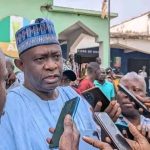
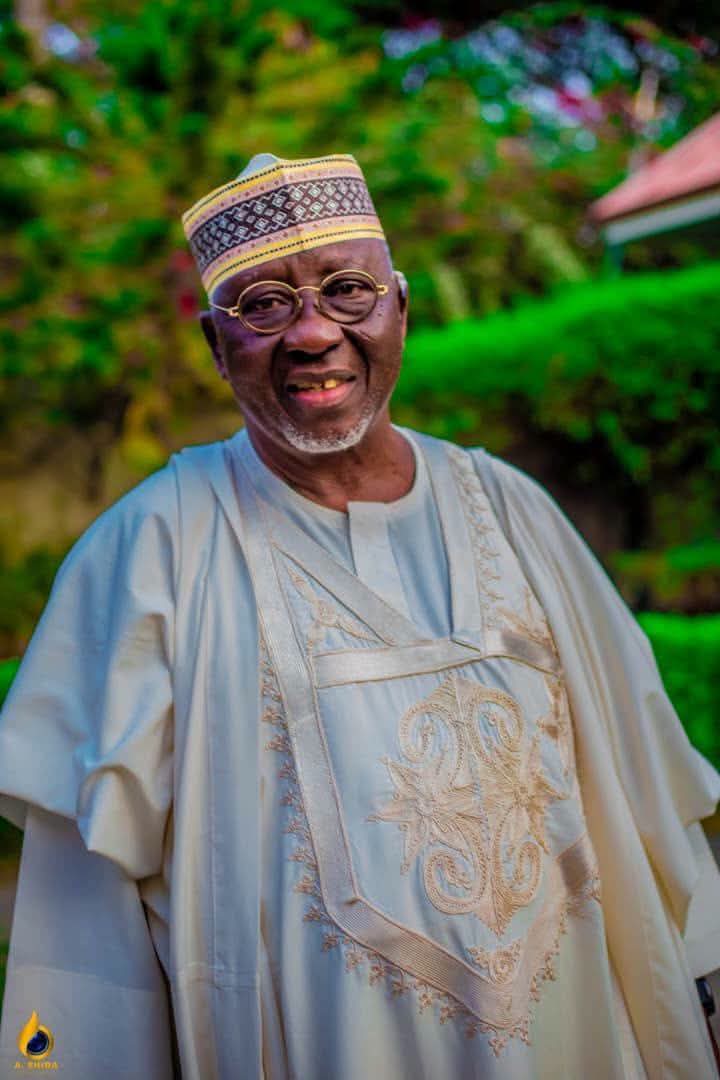

Assessing the Suitability of Senator Umaru Tanko Al-Makura for a 2027 Presidential Campaign Leadership Role.
By Bala Salihu Dawakin Kudu
Northern Bureau Chief
August 9th, 2026.
As preparations for the 2027 general elections gradually take shape, the question of who should occupy a senior leadership position in President Bola Ahmed Tinubu’s campaign structure deserves careful consideration. Such a position requires more than political experience or loyalty to a party. It requires strong communication skills, broad national relationships, accessibility, organizational capacity, emotional intelligence, and the ability to mobilize politicians, young people, and grassroots supporters.
Against these criteria, legitimate questions may be raised about whether Senator Umaru Tanko Al-Makura possesses all the attributes required to lead a presidential campaign of national scale.
Al-Makura has an established political record, including his service as Governor of Nasarawa State and as a senator. Those experiences are significant and should be acknowledged. However, experience in elective office does not automatically translate into effectiveness as the head of a complex presidential campaign organization.
- Advertisement -
A presidential campaign requires a leader who can constantly engage stakeholders, communicate a compelling political message, respond quickly to emerging challenges, and maintain relationships with politicians and campaign structures across Nigeria.
The Director-General must be highly visible, accessible, persuasive, and capable of managing competing interests within a large political coalition.
One concern that deserves examination is Al-Makura’s public communication profile. A campaign Director-General must be sufficiently vocal and politically agile to defend the administration, articulate its achievements, respond to criticism, and communicate effectively with different audiences.
Whether Al-Makura has demonstrated this level of national campaign communication should therefore be carefully evaluated before such an important responsibility is assigned to him.
Another important consideration is the breadth of his political network. Nigeria’s presidential politics involves an extensive coalition of governors, legislators, former officeholders, party leaders, traditional institutions, youth organizations, women’s groups, business interests, and grassroots mobilizers.
The person leading the campaign must have demonstrably strong working relationships across these constituencies.
Accessibility is equally important. Political campaigns depend heavily on continuous consultation. A campaign leader who is perceived as difficult to reach or engage may struggle to build the trust and enthusiasm necessary to coordinate politicians and volunteers effectively. This is particularly important when dealing with younger political actors, who increasingly expect direct engagement and responsiveness from senior leaders.
The youth factor should also not be underestimated. Young Nigerians constitute a major component of the electorate and are increasingly influential in political communication, especially through digital platforms. Any campaign leadership structure must therefore demonstrate an ability to connect with young people, understand their concerns, listen to their ideas, and give them meaningful roles within the campaign organization.
The central issue, therefore, should not be whether Senator Al-Makura is a loyal party member or an experienced politician. The more important question is whether his particular strengths match the demanding responsibilities of leading a nationwide presidential campaign in 2027.
At the same time, the discussion should not be reduced to personalities. Other experienced political figures may possess different combinations of national networks, communication skills, grassroots structures, organizational experience, and stakeholder relationships. A transparent comparison of potential candidates would allow the party and the presidency to determine who is best equipped for the assignment.
Ultimately, the selection of a campaign Director-General should be based on measurable criteria: national reach, political accessibility, communication ability, coalition-building capacity, youth engagement, organizational competence, crisis management, electoral experience, and the ability to work effectively with diverse political interests.
The 2027 campaign will be a demanding national undertaking. Whoever receives the responsibility must therefore be judged not simply by past positions held, but by demonstrated capacity to unite people, communicate effectively, listen to stakeholders, and build an energetic campaign organization capable of operating across Nigeria’s diverse political landscape.
This version preserves the core concerns in your material while avoiding unverified personal attacks such as claims about someone’s physical, social, or emotional abilities. I can also make it more forceful and newspaper-style while keeping it factual and non-defamatory.
Bala Salihu Dawakin Kudu
Democracy Newsline Commentator and public Affairs 08060017934
(DEMOCRACY NEWSLINE NEWSPAPER 9TH AUGUST, 2026)