





Collective Financing Of Energy’s Transition, A Panacea For Sustainable Development In Nigeria-Dr. Cheryl Ikejiaku
By Ahiaba Douglas
The call for concerted effort and active participation by all Nigerians in financing the energy transition—both nationally and across Africa, took center stage in Abuja during the official release of a groundbreaking book authored by Dr. Cheryl Uche Ikejiaku.
Titled Financing the Energy Transition in Africa: Interconnected Mini-grids and Sustainable Development in Nigeria, the publication attracted participants from all walks of life, including key stakeholders from Nigeria’s energy sector across both public and private spheres.
- Advertisement -

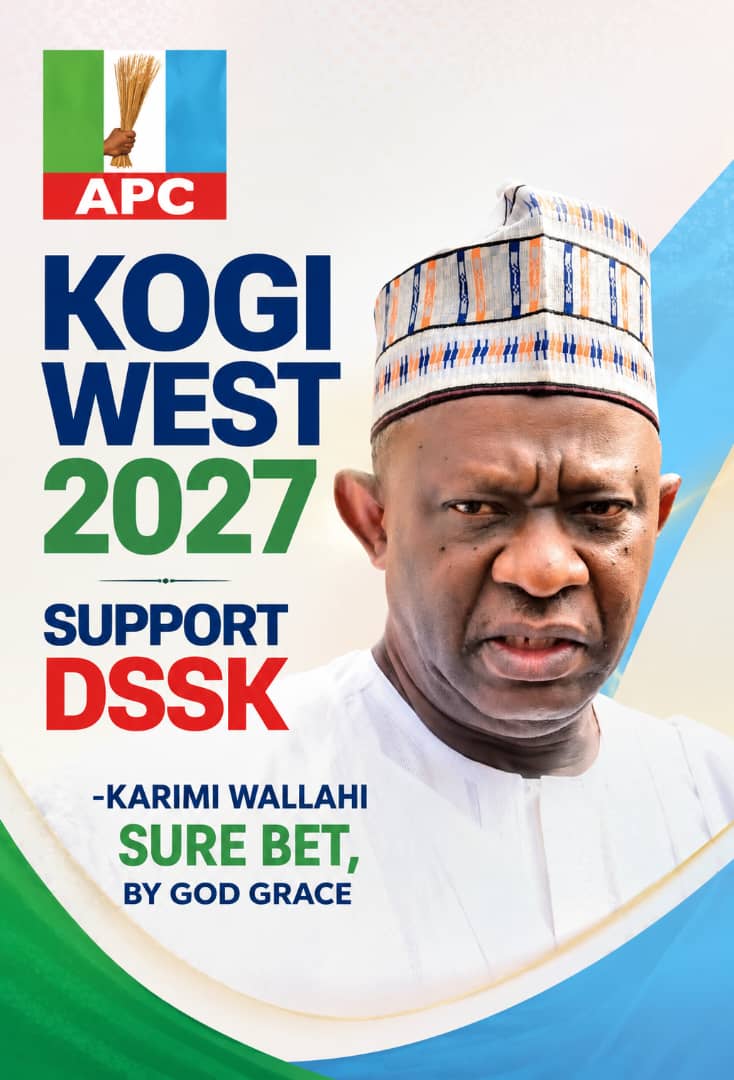
The unveiling of the book, which coincided with the author’s 50th birthday anniversary, was themed “The Catalysts.” It featured engaging panel discussions exploring how Nigeria’s energy sector can achieve sustainable growth through collective financing mechanisms.
Central to the discussions were innovative approaches such as interconnected mini-grids, identified as viable solutions to energy access challenges. Speakers emphasized the importance of citizen involvement, private investment, and supportive government policies in driving a successful energy transition.
The keynote speaker, Dr. Abba Abubakar Aliyu—represented by Ibrahim Kashim—remarked that the occasion went beyond a book launch. He described it as a convergence of scholarship, policy ambition, and a reflection of both a woman’s life work and a nation’s urgent developmental needs.
He further commended Dr. Ikejiaku for choosing a distinctive path to mark her 50th birthday by producing a rigorous, peer-reviewed, policy-relevant book on energy financing—an achievement he noted is uncommon in contemporary Nigeria.
In his welcome address, Engr. Halis Muhammed praised the author’s effort, noting that producing such a work requires not only scholarship but strong conviction, particularly in light of the current global energy crisis.
He added that interconnected mini-grids have evolved from a pilot-stage curiosity into a proven, bankable solution for closing energy access gaps. According to him, the key challenges are no longer technological or regulatory, but financial.
In her remarks, Dr. Ikejiaku stressed that everyone has a role to play in financing Africa’s energy transition. She described every individual—whether an end-user or investor—as a “catalyst,” emphasizing that achieving meaningful progress in the sector requires collective responsibility and action.
(DEMOCRACY NEWSLINE NEWSPAPER, APRIL 28TH 2026)