



ENVIRONMENTAL DISASTER LOOMING IN DELTA, MULADE TELLS GOV OBORVWORI
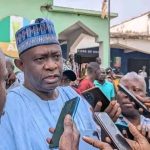
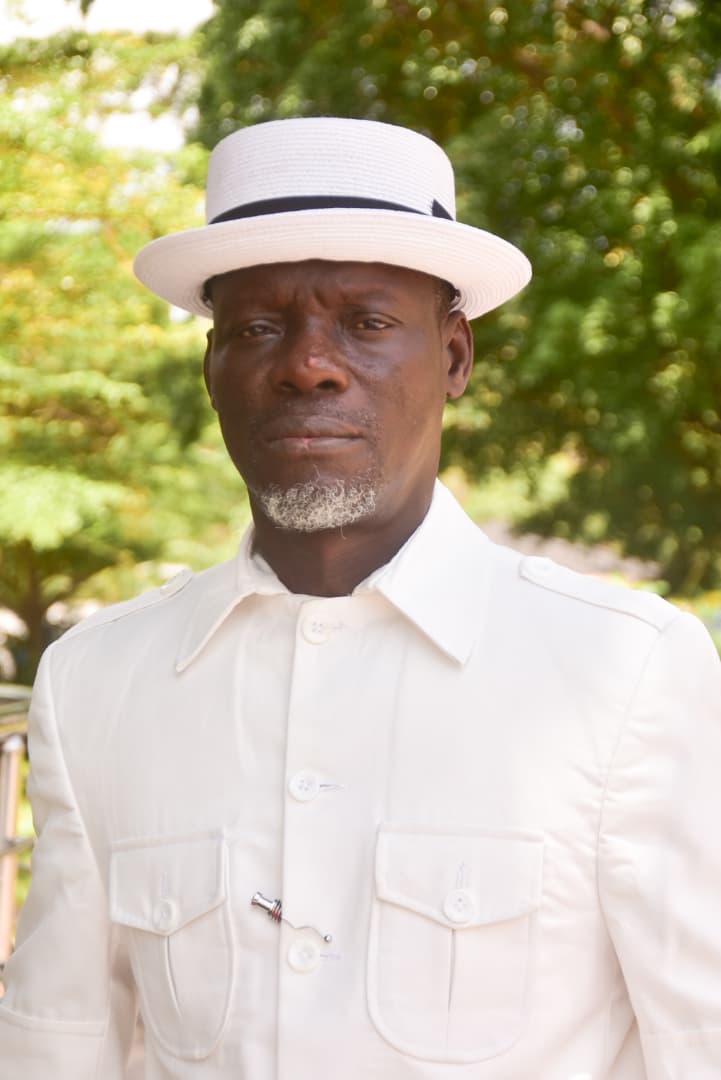
Delta State-born Environmental and peace advocate, Chief (Comrade) Mulade Sheriff, PhD, has raised the alarm over what he described as an impending environmental disaster in Delta State, urging Governor Rt. Hon. Sheriff Oborevwori to take immediate and proactive measures to safeguard communities, roads, bridges and other critical infrastructure from the growing effects of environmental degradation.
Mulade expressed deep concern over the increasing rate of dredging activities across different parts of the state, alleging that many of the operations are being carried out without adequate consideration for their long-term environmental consequences.
According to him, several dredging sites are located dangerously close to major highways, roads and bridges, creating fears that continuous excavation could weaken the soil structure supporting critical infrastructure and expose communities to avoidable disasters.
- Advertisement -

He noted that while dredging remains an important economic activity, operators must strictly comply with environmental regulations and internationally accepted best practices to ensure that development does not come at the expense of public safety.
“The state government cannot continue to overlook the environmental implications of indiscriminate dredging alongside major infrastructure is a serious threat. Roads and bridges are strategic assets that serve millions of people daily. If the integrity of these structures is compromised, the consequences could be catastrophic,” he said.
Mulade therefore called on the Delta State Government, particularly the Ministry of Environment and other relevant regulatory agencies, to immediately intensify environmental monitoring and enforcement across all dredging locations in the state.
He stressed that climate resilience policies should no longer remain theoretical discussions but must be translated into practical actions capable of protecting vulnerable communities from flooding, erosion, land degradation and infrastructure failure.
According to him, climate change has continued to increase the frequency and intensity of flooding across many parts of Delta State, making it imperative for government to adopt a comprehensive climate resilience strategy that prioritises prevention over emergency response.
Mulade further urged the state government to immediately embark on comprehensive environmental and engineering risk assessment analyses around existing and proposed dredging sites to determine their potential impact on roads, bridges, waterways and surrounding communities.
He explained that periodic geotechnical investigations and environmental impact evaluations would enable government to identify vulnerable locations before they develop into major disasters.
“The cost of prevention is always far lower than the cost of reconstruction if infrastructure collapses. Government must act before lives and properties are endangered,” he stated.
The environmental advocate also recommended the establishment of community-based flood volunteer networks across the state, noting that, local residents are often the first to observe changes in water levels, erosion patterns and blocked drainage channels.
According to him, empowering trained community flood volunteers would strengthen early warning systems, improve emergency response and enhance collaboration between government agencies and local communities during periods of heavy rainfall and flooding.
Mulade equally challenged the state government to redirect greater attention towards the construction and maintenance of efficient drainage systems capable of effectively managing stormwater in both urban and rural communities.
He argued that sustainable flood management should focus on physical infrastructure and scientific environmental planning rather than what he described as politically motivated patronage disguised as climate-related interventions.
“Government should invest more in functional drainage networks, proper water channels and sustainable flood control infrastructure instead of politically patronising climate flood negotiators whose activities do little to address the root causes of environmental challenges,” he said.
He further appealed to relevant ministries, environmental agencies, local government councils and traditional institutions to work together in promoting environmental sustainability through stricter regulation of dredging activities, public awareness campaigns and continuous monitoring of environmentally sensitive areas.
Mulade cautioned that failure to act promptly could expose many communities to severe flooding, erosion, infrastructure failures and avoidable economic losses.
He maintained that Delta State possesses enormous natural resources that could be responsibly harnessed without compromising environmental sustainability, urging government to place greater emphasis on preventive environmental governance.
The environmental advocate expressed optimism that with decisive leadership, effective regulation and active community participation, Delta State could successfully mitigate emerging environmental threats while ensuring sustainable development for present and future generations.
(DEMOCRACY NEWSLINE NEWSPAPER, JULY 2ND 2026)