

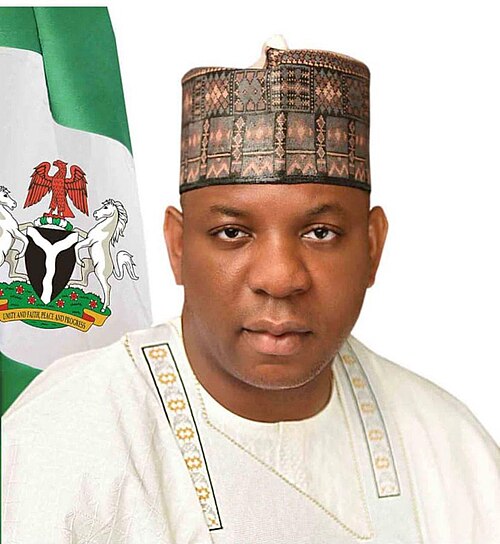

How Minister Shuaibu Audu Changed the Ajaokuta Narrative After 46 Years
By Temiloluwa Samuel
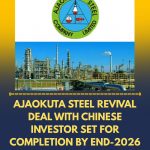
For 46 years, Ajaokuta Steel Company was Nigeria’s biggest “what if.”
Conceived in the 1970s as the bedrock of Nigeria’s industrialization, the $8 billion complex was 98% completed yet left to rust. It became a symbol of abandoned dreams, contract disputes, and lost opportunity — a white elephant that gulped billions with nothing to show.
Under the leadership of the Honourable Minister of Steel Development, Prince Shuaibu Abubakar Audu, Ajaokuta is no longer just a monument to the past. After decades of stagnation, the plant is being repositioned as the engine room for Nigeria’s industrial revolution. The turning point: a landmark gas deal with NNPC Gas Marketing Limited signed to power the plant.
- Advertisement -
Since its conception, Ajaokuta’s biggest problem has never been steel. It has been power, policy, and political will.
Previous administrations completed the blast furnace, rolling mills, and township, but failed to secure the critical gas, rail, and port linkages needed to make steel.
When Prince Shuaibu Audu assumed office as the pioneer Minister of Steel Development in 2023, he made Ajaokuta his first priority. His mandate was clear: _“We will not preside over another year of excuses.”_
Within few months, the Ministry achieved what many thought was impossible — getting all key stakeholders to the table. That culminated in the signing of a Gas Supply and Offtake Agreement with NNPC Gas Marketing Limited, a subsidiary of NNPC Ltd.
For the first time in 46 years, Ajaokuta has a guaranteed pathway to energy.
Why the NNPC Gas Deal Matters, Steel cannot be produced without gas. The new agreement ensures dedicated natural gas supply to fire the Light Section Mill, the Wire Rod Mill, and eventually the entire steel complex.
What this unlocks:
1. Production Restart: The Light Section Mill is set for immediate rehabilitation and phased production of iron rods for Nigeria’s construction industry.
2. Jobs: Over 10,000 direct and indirect jobs are projected in the first phase, from engineers to suppliers and logistics operators.
3. Forex Savings: Nigeria spends over $4 billion annually importing steel. Local production will cut that import bill drastically.
4. Industrial Hub: Gas-powered Ajaokuta will attract ancillary industries — from automotive to rail and construction — creating an industrial corridor in Kogi State and the North Central.
NNPC GML described the deal as “a strategic step to monetize Nigeria’s gas for industrialization.” For the Ministry of Steel, it is the proof that Ajaokuta is bankable again.
From “Abandoned Project” to “National Asset” Minister Audu has shifted the conversation. He no longer calls Ajaokuta a “problem.” He calls it an “opportunity.”
His approach has been three-pronged:
1. Technical: Partnering with original equipment manufacturers and technical auditors to assess and restart viable sections.
2. Financial: Engaging local and foreign investors, and leveraging government guarantees to de-risk the project.
3. Policy: Pushing for the Steel Development Bill and concessions that make Ajaokuta attractive to private operators.
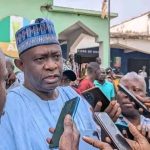
“After 46 years, Nigerians deserve to see smoke coming out of Ajaokuta,” the Minister said at the gas deal signing. “This is not just about steel. It is about jobs, infrastructure, and national pride.”
What Happens Next
With gas now secured, the Ministry is targeting phased production to begin within 12-18 months. The focus is on “quick wins” — starting with the mills that require the least capital to restart, while concession talks for the full complex continue.
Stakeholders in Kogi and across the steel value chain say the mood has changed. Contractors are returning. Engineers are being recalled. Communities around Ajaokuta that have waited nearly two generations are daring to hope again.
A New Narrative
For 46 years, Ajaokuta was a case study in how not to run a project. Today, it is becoming a case study in political will, strategic partnership, and industrial policy.
The NNPC gas deal did not just secure energy for a steel plant. It secured a future for an idea Nigeria refused to let die.
If the timelines hold, the next chapter of Ajaokuta will not be written in audit reports. It will be written in tonnes of steel, kilometers of rail, and thousands of paychecks.
And that would be the greatest tribute to 46 years of waiting.
(DEMOCRACY NEWSLINE NEWSPAPER, JULY 10TH 2026)