



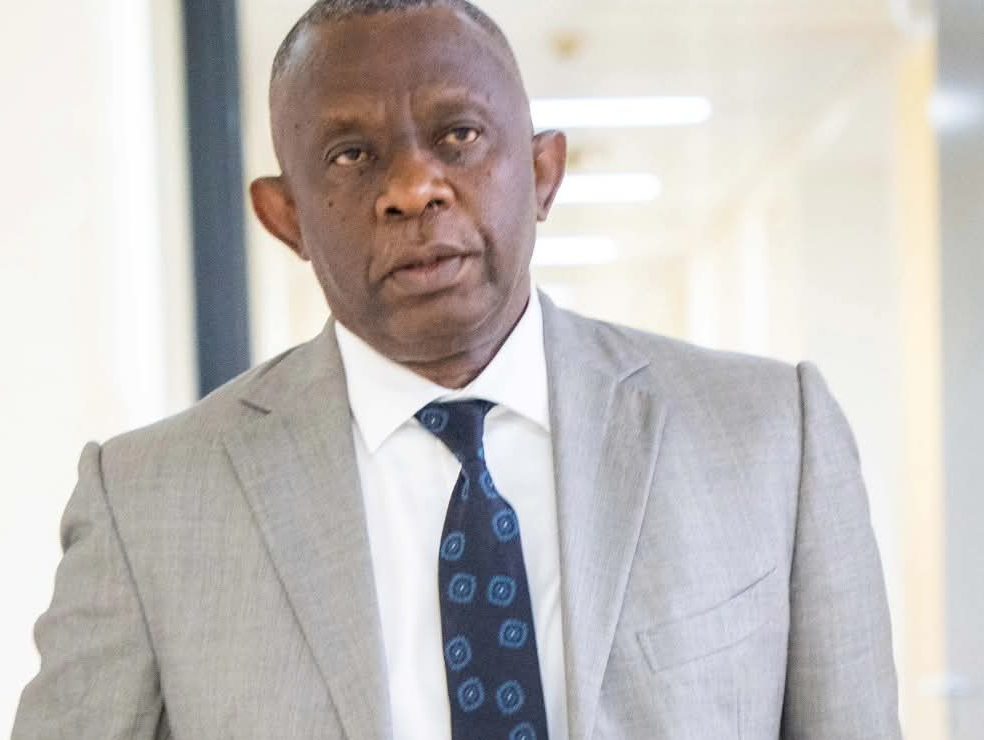

KOGI WEST: HOW SENATOR SUNDAY KARIMI DEMYSTIFIED THE FORCES AGAINST HIS RETURN TICKET
By Temiloluwa Samuel.
In Nigeria politics, the “forces” that work against a second term are often louder than the work done in the first.
For Senator Sunday Karimi representing Kogi West Senatorial District, those forces came early, came hard, and came from multiple directions. Yet as the race for his return ticket heats up, the narrative in Kogi West has shifted from “Can he survive?” to “How did he pull it off?”
- Advertisement -
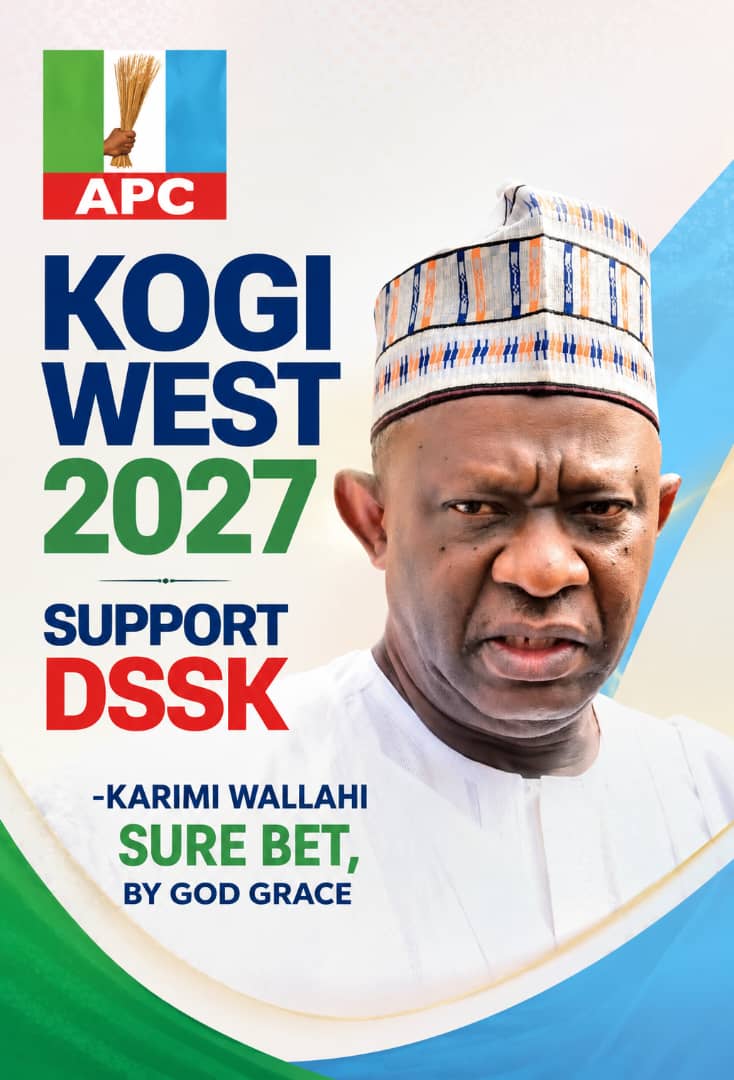
A comprehensive review of his first term and political strategy reveals how Karimi demystified the obstacles that usually end senatorial careers: internal party resistance, zoning agitations, funding bottlenecks, and the challenge of constituency expectations.
When Karimi arrived the 10th Senate in 2023, he was not realy a product of the dominant political structures that had controlled Kogi West for years. That “outsider” label was weaponized against him. Critics argued he lacked the political machinery to deliver and would struggle to secure the party’s ticket.
He demystified it by redefining access. Instead of fighting the structures head-on, he built parallel structures rooted in grassroots engagement. For many voters, the senator they could reach on WhatsApp felt more real than party kingmakers they never saw.
The biggest force against any return ticket is the perception of “no presence.” Karimi neutralized it by front-loading projects and visibility. Now going to 37 months in Senate, he has focused on areas constituents feel daily: roads, healthcare, education, and empowerment.
From facilitation of rural road rehabilitation across the 7 LGAs of Kogi West, to medical outreaches, to scholarship schemes, employment for the youths, the projects became his counter-narrative.
In politics, a completed borehole in a village often speaks louder than a press release in Lokoja. By ensuring projects were spread equitably across Yagba West, Yagba East, Ijumu, Mopa-Muro, Kabba/Bunu, Lokoja and Kogi/Koton-Karfe, he diluted zoning arguments that may have been used to push him out.
Return tickets are not won at the grassroots alone. Party leaders and delegates watch what you do in Abuja. Karimi demystified the “benchwarmer” tag by becoming one of the more vocal senators on oversight and national issues affecting the district, Kogi, the North Central and Nigeria as a whole.
His interventions on security, federal projects in Kogi West, and committee work gave him legislative credibility. That credibility translated into respect among colleagues, and respect in Abuja often translates into party support at home.
The message to party stakeholders became: “He may not play godfather politics, but he delivers on the Senate floor.”
Rather than declare war on political godfathers, Karimi chose strategic engagement. He aligned with the Federal government led by President Tinubu where interests converged, especially on infrastructure and security, while maintaining independence on constituency matters.
He also invested heavily in party unity at the LGA and ward levels. By funding party activities and ensuring party executives felt carried along, he removed the “anti-party” ammunition often used to deny tickets. The force of internal sabotage lost its oxygen.
In today’s politics, perception is power. Early in his term, narratives were planted that he was “fighting everyone.” Karimi’s team countered with consistent communication: press statements, and documented project tours.
Instead of reacting to attacks, he set the agenda. Every empowerment, every facilitated project, every legislative intervention became content. By the time opposition voices tried to define him, constituents already had their own definition: “the senator who shows up.”
Senator Karimi’s approach demystifies a key myth in Nigerian politics: that only money, godfathers, or violence guarantee a return ticket. His strategy suggests that visibility + equity + legislative performance can dismantle entrenched forces.
The 2025, Kabba Day, Ekinrin-Adde Day, Ogidi Day, Egbe Mekun Day, Isanlu Day, Gbede Day, Ofo-Ape Day and other community events where he has been celebrated show that the constituency itself is now his biggest defense. Whether that will be enough against the final push of political forces remains to be seen. But one thing is clear: the forces against his return ticket have been forced to change tactics, because the old playbook no longer works.
As Kogi West people prepare for the 2027 general elections, the question is no longer about the “forces.” It’s about whether performance has become stronger than politics.
End
(DEMOCRACY NEWSLINE NEWSPAPER, JULY 10TH 2026)