


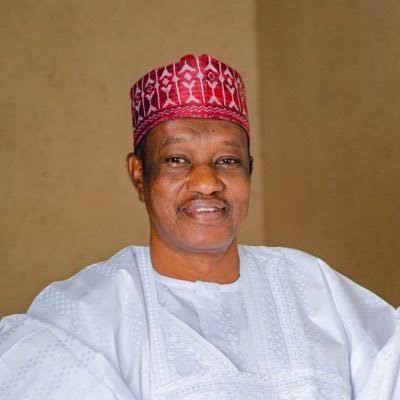

Kano Political Storm: Why Deputy Governor Aminu Abdussalam Gwarzo Refused to Resign and Chose Loyalty to Kwankwaso.
By Bala Salihu Dawakin Kudu Democracy Newsline.
March 5, 2026
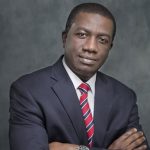
A major political drama unfolded in Kano on Thursday as the Kano State House of Assembly formally began impeachment proceedings against the Deputy Governor, Aminu Abdussalam Gwarzo.
The development followed a special plenary session of the Assembly where lawmakers presented a notice accusing the deputy governor of alleged gross misconduct, abuse of office, and breach of public trust.
- Advertisement -

The motion initiating the impeachment process was presented by the Majority Leader of the Assembly, Lawan Husaini Yangurasa, who later briefed journalists on the outcome of the session. According to him, the move was in line with Section 188 of the Constitution of the Federal Republic of Nigeria, which outlines the legal procedure for removing a governor or deputy governor from office.
Yangurasa revealed that the notice of impeachment had been signed by 38 lawmakers and formally laid before the House during the plenary session.
He explained that the Assembly had not yet removed the deputy governor but had only started the first stage of the constitutional procedure.
“The power of the House is not to just sit down today and impeach somebody. It is a procedural process. What we have started today is the first step,” Yangurasa said.
Under the constitutional process, the notice of allegations will be officially transmitted to Gwarzo, who will then have two weeks to respond and defend himself. After reviewing his response, the Assembly will decide whether to proceed further with the impeachment process.
Yangurasa added that if the deputy governor chooses to resign before the process is completed, the matter would automatically come to an end.
The conflict intensified after the governor of the state, Abba Kabir Yusuf, reportedly defected from the New Nigeria Peoples Party (NNPP) to the All Progressives Congress (APC).
While the governor aligned with his new political platform, his deputy, Gwarzo, refused to follow him.
Instead, he chose to remain loyal to the NNPP and its national leader, Rabiu Musa Kwankwaso, a decision that significantly deepened political divisions within the Kano State Government.
Political observers say Gwarzo’s refusal to resign is rooted in three key reasons:
Gwarzo is widely known as a long-time member of the Kwankwasiyya political movement led by Rabiu Musa Kwankwaso. His political rise in Kano is closely linked to the movement’s ideology and structure. Leaving the NNPP or resigning from office could be interpreted by supporters as betrayal of the movement that helped him reach power.
Supporters of the deputy governor argue that he was elected on the same ticket as Governor Abba Kabir Yusuf under the NNPP. From this perspective, Gwarzo believes he holds a legitimate constitutional mandate from the people of Kano and therefore sees no reason to resign simply because of a political defection by the governor.
Sources close to the deputy governor say he considers his political identity inseparable from the NNPP and the Kwankwasiyya ideology. Aligning with another party would contradict the principles he publicly campaigned on during the election.
Why He Chose to Remain With Kwankwaso
Gwarzo’s continued loyalty to Kwankwaso is also strategic and ideological.
Rabiu Musa Kwankwaso remains one of the most influential political figures in Kano and Northern Nigeria. By staying with him, Gwarzo maintains his connection to a powerful grassroots political base.
Analysts say abandoning Kwankwaso at this stage could damage Gwarzo’s credibility among core supporters who see the movement not just as a political platform but as a symbol of political reform and social justice in Kano.
For many in the Kwankwasiyya camp, standing firm—even in the face of impeachment—demonstrates political courage and loyalty.
The impeachment process will now move into its next phase. Once the deputy governor receives the notice, he will have 14 days to respond to the allegations.
After reviewing his defence, the Assembly will decide whether to continue with the constitutional process, which could eventually involve setting up a panel to investigate the claims.
Whether the crisis ends in resignation, reconciliation, or full impeachment proceedings, one thing is clear: the unfolding drama highlights the deep political rivalries shaping the future of Kano State politics.
(DEMOCRACY NEWSLINE NEWSPAPER, MARCH 5TH 2026)