





PRESS STATEMENT
KAPPMI Rejects Senate Bill Criminalising Preaching in Commercial Vehicles
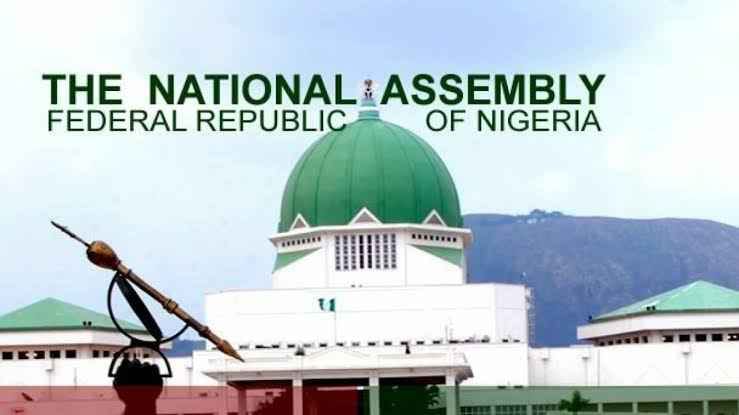
The Kings & Priests Political Mobilisation Initiatives (KAPPMI) strongly condemns the provision in the proposed Federal Road Safety Corps (Amendment) Bill, 2026, which seeks to impose a ₦50,000 fine on persons found preaching in commercial vehicles.
While we acknowledge and support every genuine effort aimed at improving road safety and reducing accidents on our highways, we are deeply concerned that this particular provision is unnecessary, discriminatory in effect, and capable of creating avoidable religious tension in our country.
- Advertisement -
Nigeria is a multi-religious nation that has invested enormous resources over the years in promoting peaceful coexistence among its diverse religious communities. It would therefore be unwise to enact a law that many citizens may perceive as targeting a constitutionally protected expression of religious belief. We also hope that one day Nigerians will not be told that they should not pray before embarking on journeys, as many of us are accustomed to doing for safety and against the menace of road insecurity.
The question that readily comes to mind is simple: How does peaceful preaching inside a commercial vehicle constitute a greater threat to road safety than ordinary conversations among passengers? If the concern is distraction to the driver, then the law should address every form of conduct capable of causing such distraction, irrespective of whether it is religious, political, commercial or social in nature. Singling out preaching raises legitimate questions about fairness, equal treatment and constitutional propriety.
Furthermore, if the concern of the lawmakers is distraction, then another pertinent question must be asked: What effect does preaching in a commercial vehicle have on road safety that loud music blaring from a vehicle’s dashboard speakers does not? Every day, commercial vehicles across Nigeria play music, political discussions, comedy programmes, sports commentaries and other forms of entertainment, often at very high volumes that engage passengers more intensely than a brief religious exhortation. Yet none of these activities has been singled out for criminal sanction.
Equally important is the issue of consistency. Across the country, powerful public address systems are mounted on roadsides by religious organisations, broadcasting sermons, prayers and religious programmes to passersby and motorists alike. If audible religious messages are inherently a threat to road safety, why is the proposed legislation limited to preaching inside commercial vehicles while ignoring other sources of potential distraction? Such selective regulation creates the unfortunate impression that the target is not distraction itself but preaching.
If there are isolated instances where any passenger, whether a preacher, trader or any other individual, behaves in a manner that genuinely endangers road users, existing public order and safety laws can adequately address such conduct. Creating a specific offence for preaching risks criminalising lawful religious expression instead of addressing genuinely dangerous behaviour.
Even more troubling is the fact that our lawmakers have not demonstrated the same urgency in addressing other activities that have a more direct impact on traffic flow and public safety. Nigerians have repeatedly witnessed situations where roads are blocked for hours because of religious activities, leaving thousands of commuters stranded and disrupting economic activities. Such situations create significant traffic congestion and sometimes expose motorists to security risks. Yet these recurring challenges appear to have attracted far less legislative attention.
This, indeed, is a classic case of leaving leprosy to seek a remedy for ringworm, concentrating legislative energy on an issue whose connection to road safety has not been convincingly established while more pressing traffic management concerns remain unresolved.
KAPPMI therefore calls on the National Assembly to reconsider this provision and engage religious leaders, civil society organisations, transport unions, constitutional lawyers and other stakeholders in broader consultations. Laws that affect fundamental freedoms should emerge from extensive dialogue and national consensus, not from provisions that may unintentionally deepen divisions in an already sensitive environment.
We also respectfully appeal to President Bola Ahmed Tinubu, whose democratic credentials and commitment to inclusiveness are well known, to withhold assent to this aspect of the bill if it reaches his desk in its current form. We believe the President has a historic opportunity to prevent the enactment of a provision that could be misunderstood, generate unnecessary controversy, and undermine the delicate religious harmony that Nigerians continue to build.
Road safety is a national priority, but it should never come at the expense of constitutional freedoms or become a source of avoidable religious suspicion. Nigeria’s diversity is one of its greatest strengths, and every law should reinforce, rather than weaken, the bonds that unite our people.
KAPPMI therefore rejects this provision of the bill in its entirety and urges Mr President to decline assent to it. We remain convinced that safer roads can be achieved without enacting laws that many Nigerians may reasonably perceive as singling out religious expression. Our lawmakers should pursue reforms that address the real causes of road accidents while preserving the constitutional liberties that define our democracy.
Signed
Pastor Stanley Omoniyi Ajileye
Director General
Kings & Priests Political Mobilisation Initiatives (KAPPMI)
(DEMOCRACY NEWSLINE NEWSPAPER, JULY 17TH 2026)