





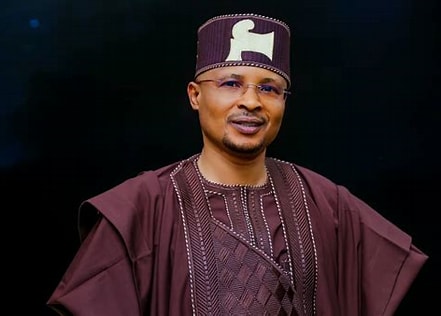

Leke Abejide Sets New Standard of Representation as Foundation Empowers 71 Communities in Yagbaland
By Samuel Temiloluwa
For decades, constituents across Nigeria’s rural communities have asked the same question after elections: what comes next?
In Yagba Federal Constituency, an answer is unfolding through the work of Rt. Hon. Leke Abejide, whose foundation has extended direct support to 71 communities, reshaping expectations of what representation can look like.
- Advertisement -

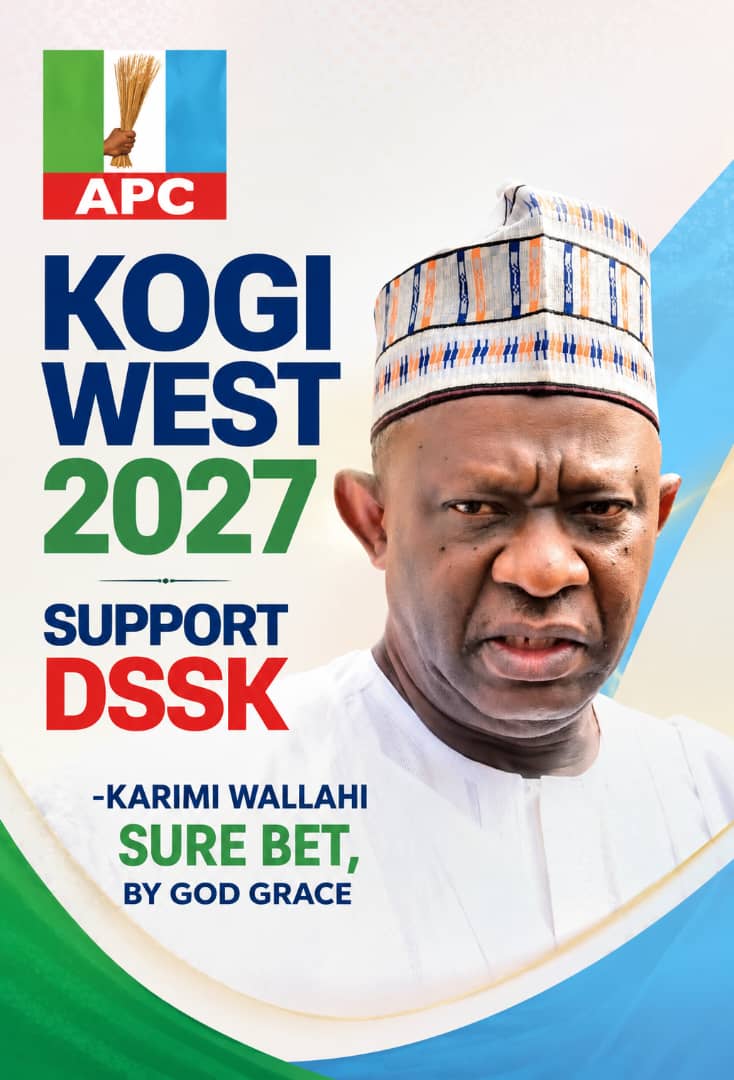
Abejide, who represents Yagba Federal Constituency in the House of Representatives, launched the initiative through the Leke Abejide Foundation with a focus on reaching communities often left out of mainstream development.
The project cuts across villages in Yagba West, Yagba East, and Mopamuro, targeting basic needs, small-scale economic support, and access to essential services through the donation of #10m each for the 71 communities.
Unlike one-off palliatives, the foundation’s model emphasizes sustained engagement. Teams identified the 71 communities through local feedback and ward-level consultations, then rolled out interventions tailored to each area.
At different times some have received agricultural inputs and equipment to boost farming. Others got support for small traders, educational materials for schools, and assistance for healthcare outreach.
Residents say the approach feels different. “It is not just coming during election time,” a community leader in one of the benefiting villages said. “We have seen follow-up, and people know where to go when they need help.”
That continuity, observers note, is part of why the initiative is being discussed as a new benchmark for constituency outreach in Kogi and beyond.
Abejide’s team argues that effective representation must go beyond legislative duties in Abuja.
“The job does not end at lawmaking,” a foundation coordinator explained. “If the people who sent you cannot feel impact at home, then the work is incomplete.”
The foundation has also set up a project monitoring team to track how resources are used, aiming to build accountability at the grassroots.
The foundation reemphasized that the fund will be released in five tranches, targeting ₦50 million in legacy projects per community, but it can only be accessed if use of the funds is judicious and certified by the monitoring team.
The scale of the project has drawn attention from political stakeholders and civil society actors. Seventy-one communities represent a significant portion of Yagbaland’s population, and the direct, community-level targeting contrasts with broader, less focused programs.
For many in Yagbaland and beyond, the foundation’s target of ₦5 billion legacy projects are altering the conversation about what lawmakers owe their constituents.
It is also important to note that the funds used for the legacy projects are personal resources of Rt. Hon. Leke Abejide, channeled through his foundation.
Such an amount cannot be accessed from statutory budget allocations; it comes from his personal businesses, which he built successfully long before he was elected to the National Assembly in 2019.
It is no longer just about motions and debates in the National Assembly. It is also about whether a farmer in a remote village can access tools for the next planting season, whether a trader can restock her shop, and whether a school can get basic learning materials.
As Nigeria’s political cycle intensifies, Abejide’s model is being watched closely.
If sustained, it could pressure other representatives to rethink how they connect with the people who elected them.
For now, in 71 communities across Yagba Federal Constituency, the standard has already shifted.
(DEMOCRACY NEWSLINE NEWSPAPER, MAY 20 TH 2026)