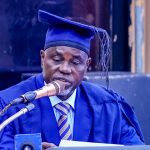

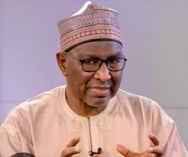

PROF. USMAN BUGAJE RAISES ALARM: ‘OPPOSITION IN TROUBLE, ELECTION MAY NOT HOLD’. Senior Northern Leader Blasts Government Over Security, Economy, and Democratic Space
By Bala Salihu Dawakin Kudu
Democracy Newsline
Northern Bureau Chief
ABUJA, July 18, 2026 —
Former presidential adviser, respected political scholar, and senior northern statesman, Prof. Usman Bugaje, has issued a stark warning over what he describes as the declining state of Nigeria’s democracy, alleging that the country’s political environment is becoming increasingly hostile to opposition parties and raising concerns about the credibility of future elections.
Speaking during an interview that has since gone viral on social media, Bugaje expressed fears that continued political interference could undermine Nigeria’s democratic process and erode public confidence in the electoral system.
- Advertisement -
His remarks come amid growing political realignments ahead of the 2027 general elections, as parties reposition themselves and debate intensifies over governance, economic hardship, insecurity, and the future of democratic institutions.
‘If Everyone Is Shut Out, Where Is the Election?’
Bugaje alleged that state institutions were being used to weaken opposition parties, arguing that such actions threaten the foundation of democratic competition.
According to him, repeated interference in the internal affairs of opposition parties, alleged judicial interventions, security agency involvement, and leadership disputes have created an atmosphere that raises questions about whether elections will be genuinely competitive.
“They think this election may not even hold,” Bugaje said.
He further argued that democracy depends on open political participation and fair competition, warning that excluding viable opposition voices would defeat the essence of constitutional governance.
“If you shut everybody out, then where is the election? Who are you competing with?” he asked.
Bugaje added that any attempt to retain political power by undermining democratic institutions would amount to abandoning the principles upon which civilian government is built.
Rising Public Anger
The political scholar also expressed concern over what he described as growing frustration among Nigerians, particularly young people struggling with economic hardship.
According to him, many citizens feel government has failed to address the core responsibilities of leadership, including protecting lives and improving citizens’ welfare.
Bugaje pointed to persistent insecurity, rising inflation, the effects of currency depreciation, increasing taxation, unemployment, and the high cost of living as issues fueling public dissatisfaction.
He lamented recent reports of schoolchildren being abducted in parts of the country, saying such incidents demonstrate that insecurity remains a major national challenge requiring urgent attention.
Rather than focusing on political contests, he argued, leaders should concentrate on restoring public safety and rebuilding citizens’ confidence in government.
‘Nigeria Faces Bigger Challenges’
Beyond immediate political concerns, Bugaje urged Nigeria’s leaders to shift attention toward long-term national development.
He noted that Nigeria’s rapidly growing population presents enormous opportunities as well as serious policy challenges.
Demographers project that Nigeria’s population could exceed 400 million within the next few decades, making it one of the world’s most populous nations.
According to Bugaje, this demographic reality demands strategic planning in agriculture, healthcare, education, housing, transportation, energy, and job creation.
“Our politicians should be discussing how to provide food, housing, medical care, education, roads and infrastructure for the growing population,” he said.
Instead, he argued, political leaders appear preoccupied with power struggles and electoral calculations at the expense of governance and national development.
Democracy Under Pressure
Political analysts have increasingly warned about the need to strengthen democratic institutions, preserve judicial independence, guarantee political freedoms, and ensure a level playing field for all political parties ahead of future elections.
Bugaje’s comments add to a broader national conversation about electoral integrity, constitutional governance, and the importance of maintaining public trust in democratic institutions.
As preparations for the 2027 elections gradually gather momentum, observers say the conduct of political actors, electoral institutions, security agencies, and the judiciary will remain under close public scrutiny.
While Bugaje’s remarks have generated widespread discussion online, the Federal Government and the ruling party had not publicly responded to the specific allegations at the time of filing this report.
Political observers say the coming months will be critical in determining whether Nigeria’s democratic institutions can withstand mounting political tensions while ensuring that elections remain peaceful, credible, inclusive, and constitutionally conducted.
If you intend to publish this as a news report, it would be advisable to seek and include responses from the Federal Government, the ruling party, or other parties mentioned to provide balance and meet standard journalistic fairness practices.
(DEMOCRACY NEWSLINE NEWSPAPER, JULY 18TH 2026)