





Rejoinder: Billboard Dispute Should Not Become Threat to Democratic Freedom in Kebbi.
By Bala Salihu Dawakin Kudu
October 9, 2026.
The reported statement attributed to the Kebbi State Government’s Special Adviser on Cemetery Matters, Hon. ATM Jega, threatening to prevent former Attorney-General of the Federation and African Democratic Congress (ADC) governorship candidate, Abubakar Malami, SAN, from entering Kebbi State over alleged destruction of campaign billboards, deserves serious public attention.
According to the statement, Hon. Jega warned that Malami would be prevented from entering the state if he failed to stop people he described as his “boys” from allegedly tearing down billboards. While the protection of campaign materials and public property is legitimate, such a threat raises a much bigger question: Is political disagreement in Kebbi now going to be settled through threats of exclusion rather than through the law and the ballot box?
- Advertisement -
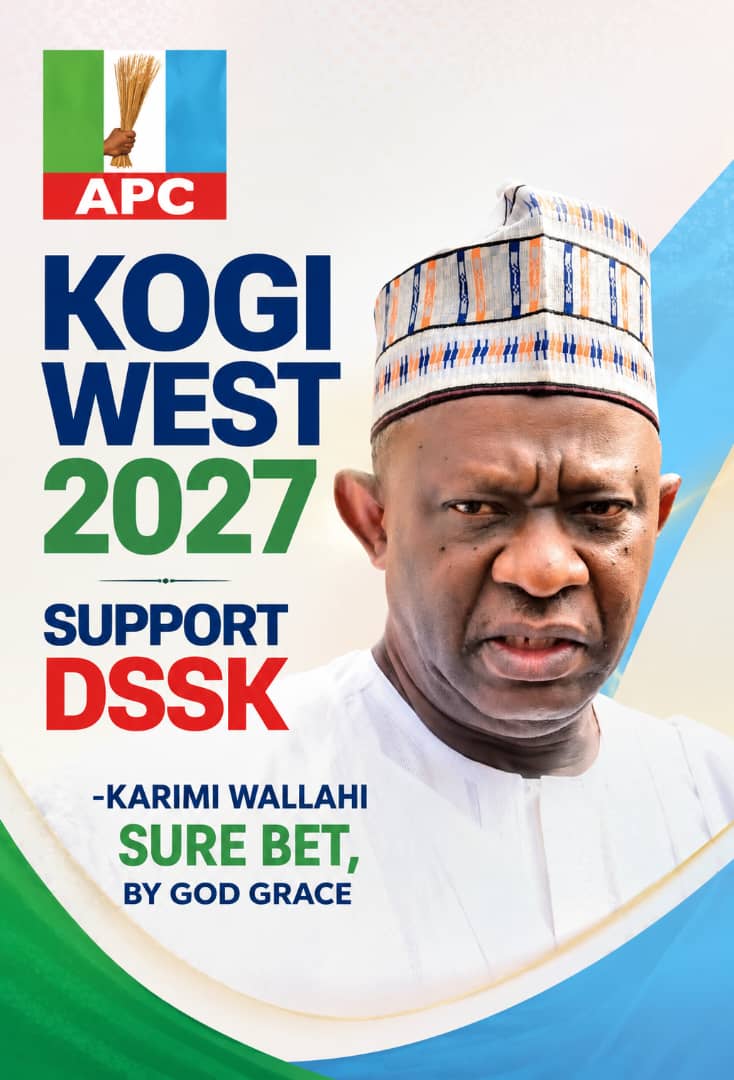
There is nothing wrong with demanding that political parties and their supporters respect campaign materials belonging to their opponents. If anybody is caught destroying or vandalising billboards, the appropriate response should be investigation, identification of the perpetrators and prosecution in accordance with the law—not collective punishment or threats against a political candidate.
Abubakar Malami is now the officially affirmed ADC governorship candidate for the 2027 Kebbi election. His political activities, therefore, should be subjected to the same democratic rules applicable to every other candidate.
Who Authorised the Threat to Bar a Candidate From Kebbi?
Hon. Jega should explain to the people of Kebbi under what constitutional or statutory authority a political candidate can be prevented from entering his own state because of an allegation involving unidentified individuals.
If there is credible evidence that supporters of Malami are responsible for vandalising billboards, let the evidence be presented and the appropriate authorities allowed to act. But if the individuals involved have not been identified, it would be unfair and dangerous to automatically attribute their actions to a candidate.
Politics should not operate on the principle of “you are responsible because people associated with you have been accused.” Responsibility must be established through evidence.
Indeed, Malami’s campaign has publicly called for issue-based politics, unity and reconciliation as the 2027 election approaches. The same standard should apply to all political actors and supporters across the state.
Kebbi Belongs to All Its Citizens
Kebbi State is not the private property of any individual, political party or administration. It belongs to all its citizens—whether they support the APC, ADC, PDP or any other political platform.
No political contest should create an atmosphere where citizens fear that supporting an opposition candidate could result in intimidation, harassment or restrictions on their movement.
The 2027 governorship election should be a contest of ideas, programmes, competence, records and the confidence of the people—not a contest of threats.
If Malami or any other candidate has violated the law, the appropriate institutions should deal with the matter. If any of his supporters have destroyed billboards, they should equally face the law if found culpable. But political opponents should not be collectively punished for alleged offences that have not been established against them.
The most important point is that political power belongs to the people and is ultimately determined through the ballot box.
The emergence of Malami as the ADC candidate has already intensified political competition in Kebbi ahead of 2027. His candidacy has attracted considerable attention, while the state government has also defended its record in areas including education, healthcare, agriculture, infrastructure and security.
That competition should be welcomed—not feared.
If the APC administration believes its achievements are stronger than the opposition’s claims, it should present those achievements before the people. If Malami and the ADC believe they can offer better governance, they should present their programme. The people of Kebbi should then make the final decision.
Threatening to prevent an opposition candidate from entering the state does not strengthen democracy; it risks creating the impression that political competition is being treated as a security problem.
Hon. ATM Jega and other political actors should therefore exercise restraint and avoid statements capable of escalating political tension in Kebbi.
If billboards are being vandalised, the state government should work with security agencies and relevant authorities to investigate the incidents. Political parties should educate their supporters to respect campaign materials, public property and the rights of opponents.
Similarly, the ADC and Malami should ensure that their supporters do not engage in provocation, destruction of opponents’ materials or any conduct capable of undermining peaceful political participation.
The answer to billboard vandalism is not a ban on political movement. The answer is investigation, evidence and lawful prosecution.
Kebbi deserves a peaceful and issue-based political contest. Its citizens deserve candidates who will debate security, education, healthcare, agriculture, employment, infrastructure and economic development—not politicians trading threats and accusations.
As the 2027 election approaches, the message to every political actor should be simple: fight your political battles with facts, policies and persuasion. Leave intimidation and threats behind.
Ultimately, it is not Hon. ATM Jega, Abubakar Malami or any other individual who will decide the political future of Kebbi State.
The people of Kebbi will decide—and their decision must be respected.
DemocracyNewslineNewspaper October 9th, 2026