





THE TRUTH WE ARE LOSING
Nigeria’s Media, Misinformation and the Battle for the Public Mind
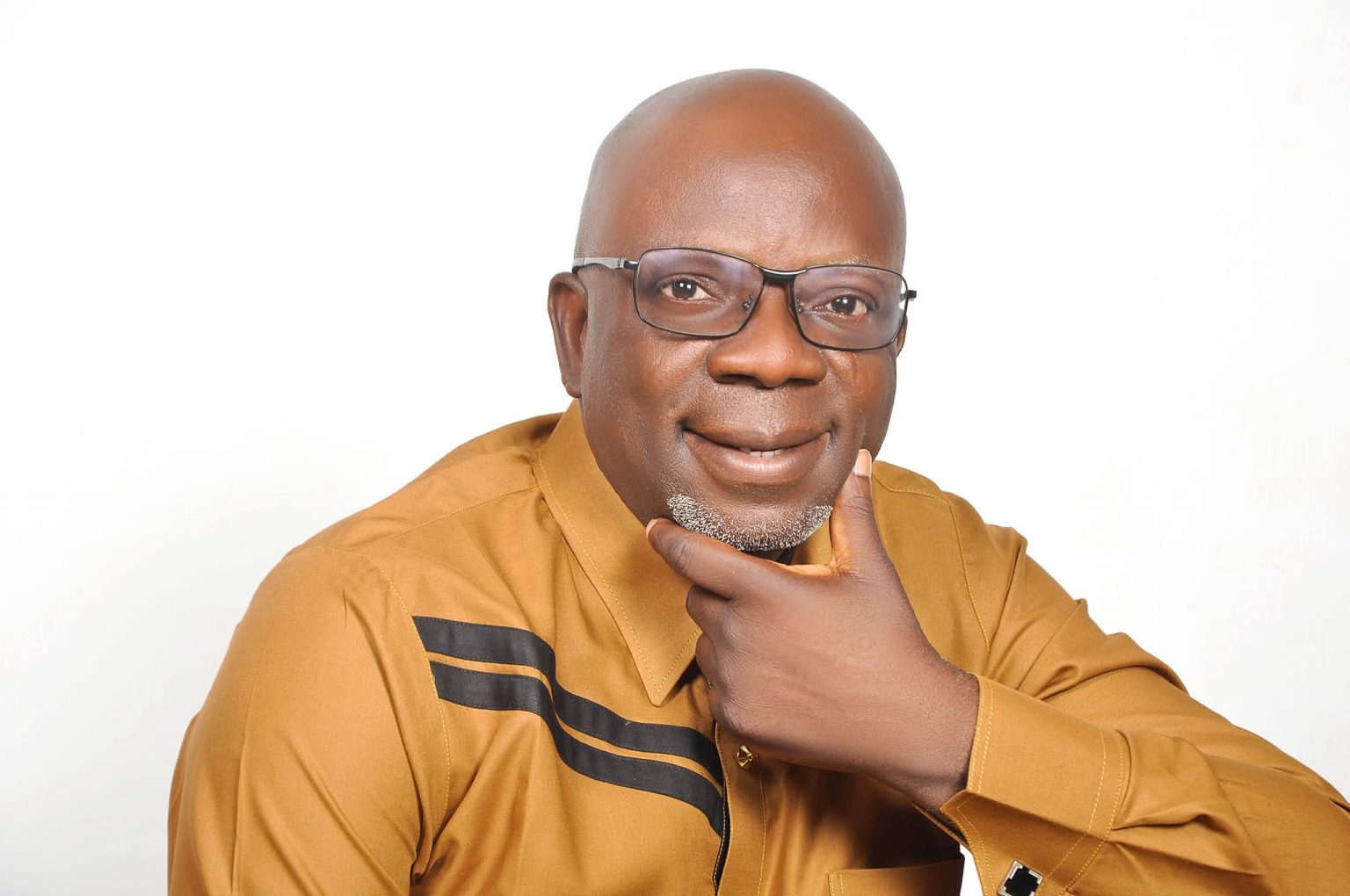
By Shae Bebeyi @ Curiously Yours Arena
“The first duty of a newspaper is to tell the truth.” — Walter Williams
There was a time when the morning newspaper was a trusted companion. Nigerians waited for the headlines, read the editorials, listened to the radio and watched the evening news. Information travelled more slowly, but credibility mattered.
- Advertisement -
Today, information travels at the speed of a finger.
A photograph can cross Nigeria in seconds. A voice recording can become “breaking news” before its source is known. A social-media post can influence thousands before anyone asks the most important question: Is it true?
We are not suffering from a shortage of information. We are suffering from a shortage of trustworthy information.
The digital revolution has given ordinary citizens an extraordinary voice. Anyone with a smartphone can report an event, expose an injustice, challenge an official or draw attention to a neglected community. This is good for democracy.
But the same technology that spreads truth quickly can spread falsehood even faster.
An old photograph can be presented as a recent event. A statement can be removed from context. An allegation can become a conviction. An edited video can be presented as reality. Artificial intelligence has made the manipulation of images, voices and videos even more sophisticated.
As journalist Bill Kovach and Tom Rosenstiel remind us, journalism’s first obligation is to the truth.
But that obligation does not belong to journalists alone anymore.
Every Nigerian who forwards a message, shares a video or reposts a claim becomes part of the information chain. We must therefore learn to pause before we publish or forward.
Who is the source?
What is the evidence?
Has another credible source confirmed it?
Is the photograph genuine and current?
Is the information complete?
These questions are no longer optional. They are part of responsible citizenship.
The media also faces a difficult temptation: attention can become more valuable than accuracy.
Sensational headlines attract clicks. Emotional stories travel faster. Controversy generates engagement. But when speed and sensation defeat verification, journalism can become part of the problem it is supposed to solve.
A developing story may be presented as established fact. An accusation may destroy a reputation before the accused has responded. A misleading report may inflame communities or deepen political and social tensions.
The truth may eventually arrive, but the damage caused by falsehood may already have been done.
Being first may win attention; being accurate earns trust.
Journalism, therefore, remains a public trust. It must investigate, verify, distinguish allegation from fact and give those accused a fair opportunity to respond. It must also understand that public interest is not the same as public curiosity.
The Nigerian media must resist becoming an instrument of political, commercial or ideological interests. Its greatest asset is not simply its ability to break news but its ability to establish what can responsibly be believed.
And citizens have responsibilities too.
We cannot complain about misinformation while rewarding it with instant attention, comments and thousands of shares. We cannot demand responsible journalism while consuming every sensational claim without verification.
The battle for truth is now a shared responsibility.
Nigeria needs journalists who verify, editors who exercise judgment, publishers who protect credibility and citizens who think before they share.
As the Society of Professional Journalists puts it: “Seek truth and report it.”
That principle is simple, but its importance has never been greater.
A society can survive a shortage of information. It is much harder to survive when citizens can no longer agree on what is true.
The real battle, therefore, is not merely over who controls the media. It is over who controls the information from which Nigerians form their understanding of reality.
And perhaps the question we should all be asking is this:
In a country where everybody can speak and almost everything can go viral, are we becoming better informed—or simply becoming better connected to confusion?
DemocracyNewslineNewspaper, September 20, 2026