



ADC Crisis Deepens as Opposition Heavyweights Reconsider Political Future Ahead of 2027.
By Bala Salihu Dawakin Kudu Democracy Newsline Northern Bureau Chief
April 7, 2026
Abuja — Nigeria’s evolving political landscape is entering another phase of uncertainty as prominent opposition figures reassess their alignment with the African Democratic Congress (ADC), amid a deepening leadership crisis that threatens the party’s viability ahead of the 2027 general elections.
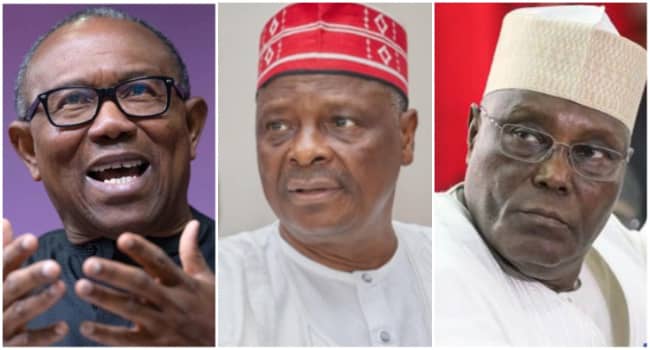
Barring any last-minute changes, multiple high-level sources have confirmed that leading political actors—including former Vice President Atiku Abubakar, former Anambra State governor Peter Obi, and former Kano State governor Rabiu Kwankwaso—are actively exploring alternative political platforms. Their consultations are reportedly centered on possible alignments with emerging or lesser-established parties such as the Action Peoples Party (APP) and the Nigeria Democratic Congress (NDC).
- Advertisement -

The situation within the ADC took a dramatic turn following the decision of the Independent National Electoral Commission (INEC) to withdraw recognition from all factions of the party’s leadership. This move came in compliance with a recent ruling by the Court of Appeal, which highlighted unresolved legal disputes surrounding the party’s internal structure and legitimacy.
Political analysts note that INEC’s stance effectively places the ADC in a state of paralysis, rendering it incapable—at least for now—of performing critical electoral functions such as organizing primaries or submitting candidate lists.
“The implication is profound,” said a senior political strategist familiar with the matter. “Without a recognized leadership, the party cannot legally act. And without legal standing, its participation in the 2027 elections becomes highly questionable.”
Insiders warn that the prolonged legal battle could extend dangerously close to key electoral deadlines, including timelines for primaries and candidate submissions. This creates a precarious situation for aspirants who may still be considering the ADC as their political vehicle.
One major concern is the possibility of political entrapment: candidates who choose to remain with the ADC and later find the party disqualified or unrecognized may lose the opportunity to switch platforms.
“In Nigerian electoral law, timing is everything,” explained a constitutional lawyer based in Abuja. “If the party fails to meet INEC’s requirements within the stipulated timeframe, aspirants could be left stranded without legal recourse.”
Additionally, any conventions, congresses, or internal elections conducted under disputed leadership factions risk being invalidated, further compounding the crisis.
Against this backdrop, opposition leaders are said to be engaging in intense, behind-the-scenes negotiations aimed at forging a more stable and electorally viable coalition. These discussions are expected to intensify in the coming weeks, with a series of strategic meetings scheduled to take place in Abuja shortly after the Easter period.
Observers suggest that the current situation may accelerate the long-anticipated consolidation of opposition forces—a recurring theme in Nigeria’s democratic evolution. However, achieving unity among diverse political interests remains a formidable challenge.
The ADC crisis underscores a recurring issue in Nigeria’s party system: internal governance disputes that escalate into legal battles, often at the expense of electoral preparedness. Since the country’s return to democratic rule in 1999, several parties have faced similar challenges, highlighting systemic weaknesses in party institutionalization.
For voters, the uncertainty surrounding opposition platforms could limit choices and weaken democratic competition. For the political elite, it presents both a risk and an opportunity—risk in terms of instability, and opportunity in reshaping alliances ahead of a pivotal election cycle.
As 2027 approaches, the decisions made in the coming months by key figures like Atiku, Obi, and Kwankwaso may not only determine their political futures but also redefine the structure of opposition politics in Nigeria.
For now, all eyes remain on Abuja, where the next chapter of this unfolding political drama is set to be written.
(DEMOCRACY NEWSLINE NEWSPAPER, APRIL 7TH 2026)