
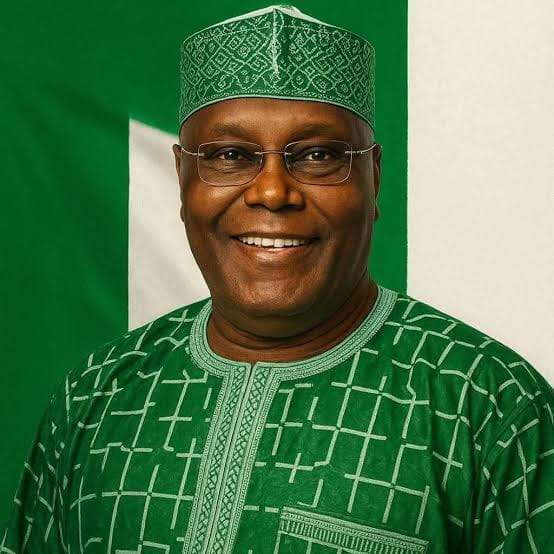

Atiku Vows to Restore Petrol Subsidy if Elected President in 2027.
By Bala Salihu Dawakin Kudu
Northern Bureau Chief, Democracy Newsline
August 20, 2026.
Former Vice President of Nigeria, Alhaji Atiku Abubakar, has pledged to restore the Federal Government’s petrol subsidy immediately if he wins the 2027 presidential election, arguing that the move would provide relief to millions of Nigerians struggling with the rising cost of living.
Atiku made the pledge during a live interaction with journalists on Wednesday night, where he discussed the country’s economic difficulties and the impact of the removal of petrol subsidy on ordinary Nigerians.
- Advertisement -
According to him, restoring the subsidy would be among the immediate steps his administration would take to reduce the economic burden currently facing households and businesses across the country.
B
The issue of petrol subsidy has remained one of Nigeria’s most contentious economic and political questions. President Bola Ahmed Tinubu announced the removal of the subsidy during his inauguration on May 29, 2023, triggering a sharp increase in petrol prices and significant increases in transportation and other living costs.
Before the subsidy removal, petrol was officially sold at about ₦185 per litre under the administration of former President Muhammadu Buhari. Since then, pump prices have risen dramatically, reaching about ₦1,300 per litre in some parts of the country, although prices have varied by location and over time..The increase in petrol prices has had far-reaching consequences for the Nigerian economy.
Transportation operators have faced higher operating costs, while consumers have experienced increased prices for food, household goods and other essential commodities. Businesses, particularly small and medium-sized enterprises that depend heavily on petrol and diesel for transportation and electricity generation, have also faced higher costs.
For many low-income Nigerians, the price of petrol has therefore become more than an energy issue; it has become directly connected to household survival and the overall cost of living.
Atiku argued that the removal of the subsidy has placed a heavy burden on ordinary Nigerians and maintained that restoring it would help cushion the effects of the current economic hardship.
He also vowed that, if elected, his administration would investigate the financial consequences surrounding the subsidy regime and recover any public funds found to have been misappropriated.
Atiku further promised that individuals found responsible for diverting public resources would be held accountable in accordance with the law.
His comments are likely to intensify the debate over the future of Nigeria’s petroleum subsidy policy ahead of the 2027 presidential election.
Supporters of subsidy removal have argued that the policy had become too expensive for the government to sustain and that the money could be better invested in infrastructure, healthcare, education and other public services.
Critics, however, contend that removing the subsidy without adequate social protection and economic reforms has placed an excessive burden on citizens, particularly the poor and vulnerable.
The debate is expected to remain a major issue as political parties and presidential contenders present their economic programmes to Nigerians ahead of the 2027 election.
For millions of Nigerians, the central question remains whether the government can simultaneously protect citizens from the immediate effects of high energy costs while building a sustainable economy that does not depend indefinitely on petrol subsidies.
Atiku’s latest pledge places the restoration of the subsidy firmly at the centre of his proposed economic response and gives voters another major policy choice to consider as the country moves towards the 2027 presidential election.
May God have mercy on Nigeria and ease the hardship being experienced by ordinary citizens, and may the country be blessed with leadership that serves the interests and welfare of its people.
(DEMOCRACY NEWSLINE NEWSPAPER 20TH AUGUST, 2026)