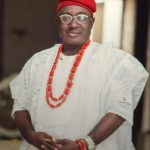

ENGR. SANI NDANUSA, FNSE, FNICE, FNIM, MARAFAN NUPE, UBANDOMAN JIWA: THE VISIONARY ARCHITECT OF THE FUTURE
By Dr. Aiyeku Olufemi Samuel Adeyinka
There are men who occupy positions, and there are men who define generations. There are leaders who merely administer institutions, and there are visionaries who build enduring legacies that outlive titles, offices and accolades. Engr. Sani Mohammed Ndanusa belongs unmistakably to the latter.
He is not merely an engineer. He is an institution of ideas, a builder of people, a custodian of excellence and a statesman whose footprints traverse engineering, sports diplomacy, infrastructure development, public administration and human capital development.
- Advertisement -
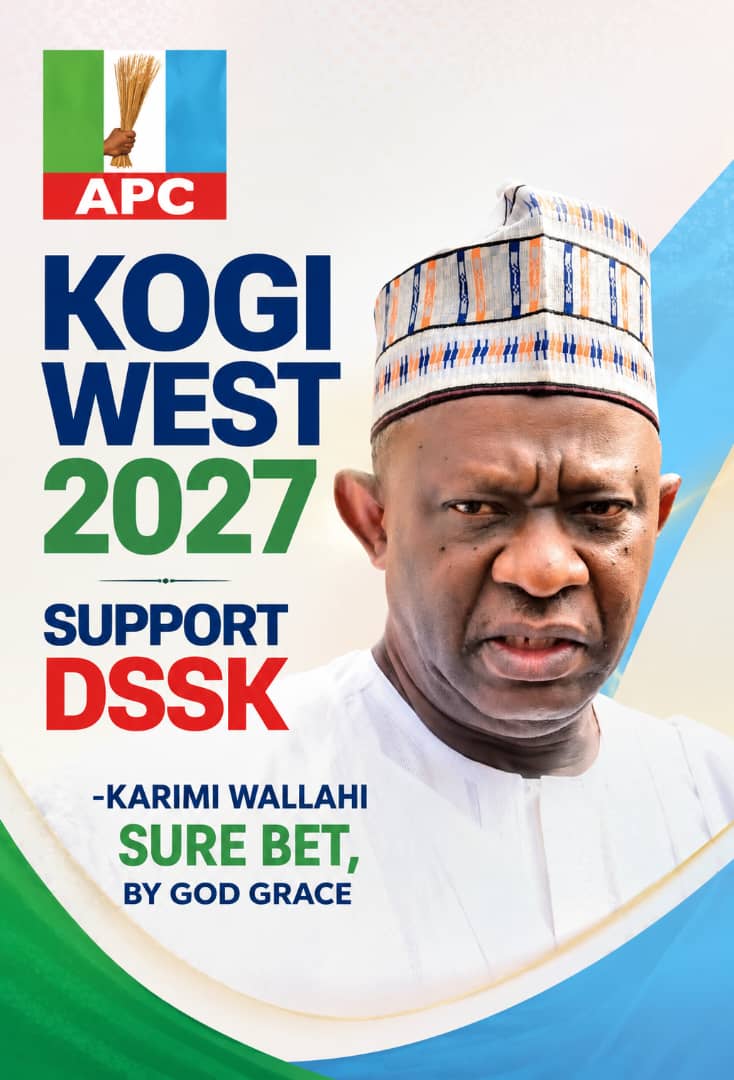
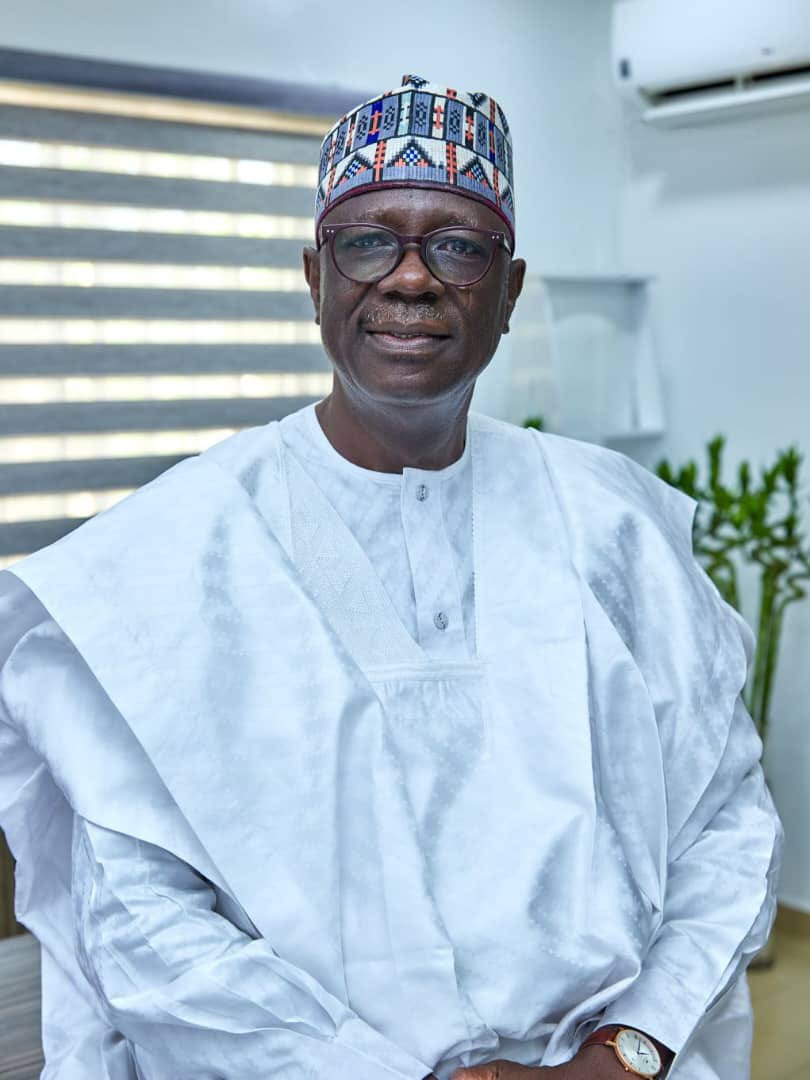
Born on the 5th of May, 1957, Engr. Sani Ndanusa represents a rare convergence of intellect, competence, humility and purposeful leadership. With an illustrious career spanning several decades, his story is one of resilience, tactical brilliance and unwavering commitment to nation-building.
A Fellow of the Nigerian Society of Engineers (FNSE), Fellow of the Nigerian Institution of Civil Engineers (FNICE) and Fellow of the Nigerian Institute of Management (FNIM), the Marafan Nupe has continually demonstrated that leadership is not measured by titles held but by lives transformed.
He is, indeed, a visionary architect of the future.
His academic journey culminated in a Master’s Degree in Water and Waste Engineering from the prestigious Loughborough University, United Kingdom. Armed with exceptional professional competence, he rose through the ranks of public service as General Manager and Permanent Secretary of the Niger State Water Board before serving meritoriously as Commissioner for Transportation and Infrastructural Development in Niger State.
Yet, his contributions transcend infrastructure. He understands perhaps better than most that nations are built not only with concrete and steel but also with character, ideas and people.
This philosophy became the defining hallmark of his public service.
As Honourable Minister of Youths, Sports and Social Development between 2008 and 2010, Engr. Ndanusa championed initiatives aimed at deepening grassroots sports development across Nigeria. His vision birthed the Mini Sports Centres initiative designed to decentralise talent discovery and make sporting facilities more accessible to young Nigerians across the country.
Long before conversations about sports as an economic driver gained prominence, Engr. Ndanusa recognised sports as an instrument for national integration, youth empowerment and international diplomacy.
His contributions to tennis administration remain particularly remarkable. From serving as Vice President of the Nigeria Tennis Federation to becoming its President, and subsequently serving as Vice President of the Confederation of African Tennis, his leadership elevated Nigeria’s profile within continental and international sports administration.
History will equally remember him as President of the Nigeria Olympic Committee between 2010 and 2014—a period that witnessed strategic reforms aimed at repositioning Nigerian sports following difficult moments in the nation’s Olympic history. His advocacy consistently centred on preparation, institutional reforms and sustainable athlete development.
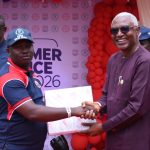
Perhaps what distinguishes Engr. Ndanusa most profoundly is his uncommon consistency. Leadership for him has never been episodic. Even outside public office, his commitment to sports development remains unbroken. In June 2026, while addressing participants at the NASCO/ITF J30 World Tennis Tour Junior Championship in Abuja, he expressed optimism regarding the quality of emerging Nigerian tennis talents—a reflection of a lifelong commitment to nurturing future champions.
He belongs to that rare generation of leaders who continue to invest in tomorrow long after their official assignments have ended.
To describe him merely as charismatic would be insufficient.
He is tactical without being manipulative.
Resilient without being rigid.
Diplomatic without compromising principles.
Empathic without sacrificing excellence.
Sagacious without pretence.
Visionary without seeking applause.
He understands that transformational leadership begins not with commanding followers but with developing people.
His greatest investments are not in projects alone but in human potential.
Many know Engr. Sani Ndanusa as an accomplished administrator. Others know him as an international sportsman and globally respected sports diplomat. Those privileged to encounter him personally discover something deeper—a man whose humility often overshadows the magnitude of his accomplishments.
Therein lies his greatest strength.
He wears greatness lightly.
The Marafan Nupe title bestowed upon him is therefore more than a cultural honour. It reflects decades of service characterised by integrity, wisdom and an unwavering commitment to societal advancement.
In an era increasingly defined by transactional leadership, Engr. Ndanusa reminds us that authentic leadership remains transformational. It inspires before it instructs. It serves before it seeks recognition. It builds institutions while simultaneously building people.
The future belongs not merely to innovators but to those courageous enough to create opportunities for others to flourish.
Engr. Sani Ndanusa has spent his life’s work doing precisely that.
He has engineered infrastructure.
He has engineered institutions.
More importantly, he has engineered possibilities for generations.
His legacy is therefore not confined to official records or professional fellowships. It resides in every young athlete inspired to dream beyond limitations, every institution strengthened through visionary leadership and every individual transformed through his steadfast commitment to excellence.
The story of Engr. Sani Mohammed Ndanusa is ultimately the story of purposeful impact—a compelling reminder that greatness is not accidental but intentional.
He remains an iconic trailblazer, an illustrious son of Nigeria, an international sports statesman, a distinguished technocrat and a visionary architect of the future.
And perhaps his greatest achievement is this: he continues to build tomorrow, today.
(DEMOCRACY NEWSLINE NEWSPAPER, JULY 22ND 2026)