




Food Security: Barau’s Agricultural Revolution Bill Scales First Reading in Senate.
By Bala Salihu Dawakin Kudu
October 20, 2026.
The Senate has taken a significant step towards strengthening Nigeria’s agricultural sector and improving food security as the Agricultural Revolution Bill, 2026, sponsored by Deputy Senate President Senator Barau I. Jibrin, scaled its first reading during plenary.
The bill is expected to open new opportunities for agricultural development, boost food production and support national efforts to ensure a more sustainable and reliable food supply when passed into law.
- Advertisement -

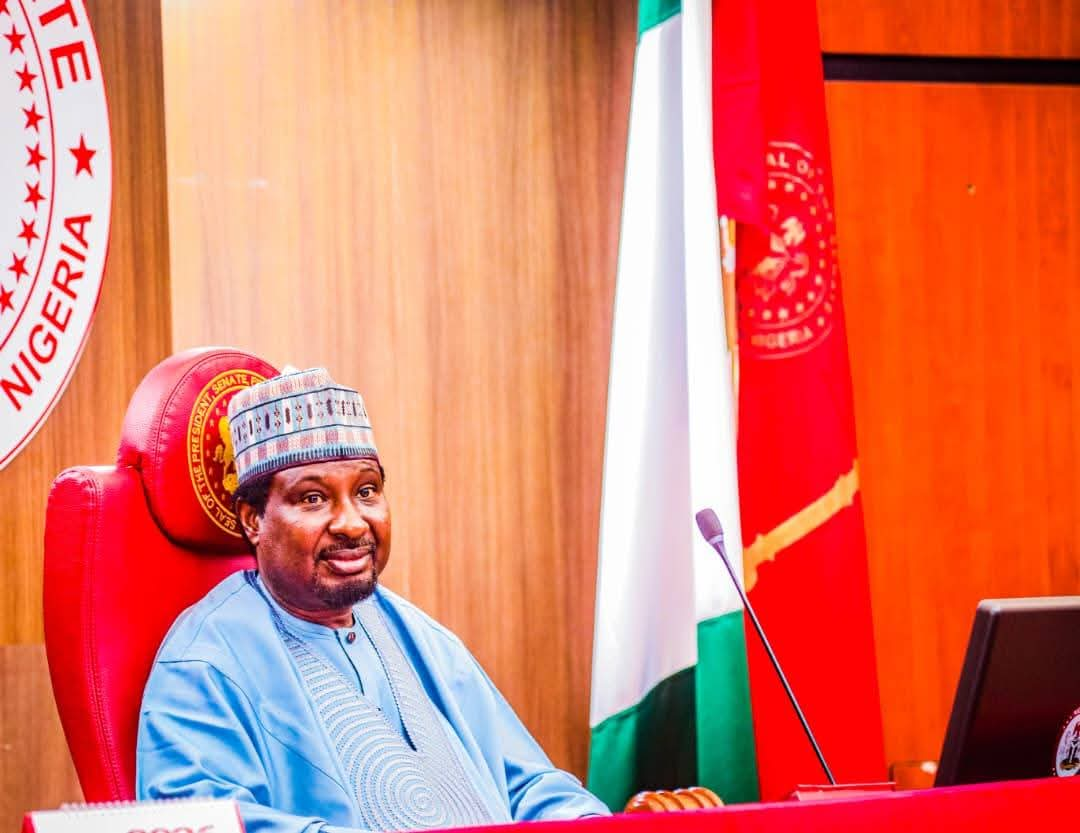
Senator Barau said the proposed legislation was designed to create additional opportunities for agricultural production and contribute to the Federal Government’s efforts to address food security challenges under President Bola Ahmed Tinubu’s Renewed Hope Agenda.
The bill comes amid growing calls for increased investment in agriculture, improved farming methods, stronger support for farmers and the development of sustainable food production systems to meet the needs of Nigeria’s growing population.
Its progress through the Senate represents an important preliminary legislative step towards providing a framework that could support agricultural transformation, create employment opportunities and strengthen the contribution of agriculture to the national economy.
With agriculture remaining a major source of livelihood for millions of Nigerians, stakeholders have continued to emphasise the need for policies and legislation that will improve farmers’ access to modern technology, agricultural inputs, financing, storage facilities and markets.
Beyond food production, a stronger agricultural sector could help reduce pressure on food prices, improve rural livelihoods and create opportunities for young Nigerians to participate in farming and agribusiness.
Meanwhile, the Senate passed two bills for third reading: the Raw Materials Research and Development Council Act (Amendment) Bill, 2026, and the Chartered Institute of Purchasing and Supply Management of Nigeria (Establishment) Act (Amendment) Bill, 2026.
The two bills had previously been passed but were reconsidered following motions to rescind their earlier passage and recommit them to plenary for further legislative scrutiny. The process was aimed at addressing identified fundamental issues and ensuring legal clarity, consistency and proper drafting.
The Senate also passed the National Secondary Education Commission Act (Amendment) Bill, 2026, for second reading. The proposed legislation seeks to strengthen the administration and coordination of public senior secondary education.
Following its second-reading approval, the bill was referred to the Senate Committee on Education (Basic and Secondary) for further legislative consideration.
In another development, the Senate confirmed the appointment of Engr. Sani Mohammed Ndanusa as a non-career Ambassador/High Commissioner of the Federal Republic of Nigeria.
The confirmation followed a request from President Bola Ahmed Tinubu and the adoption of the report of the Senate Committee on Foreign Affairs, which screened the nominee.
The day’s proceedings reflected the Senate’s continuing legislative responsibilities across agriculture, education, industrial development and foreign relations.
For the Agricultural Revolution Bill, its first-reading passage marks the beginning of the legislative process, with further consideration required before it can become law. Its eventual impact will depend on the provisions adopted, effective implementation and the commitment of relevant institutions to translating its objectives into tangible benefits for farmers and consumers.
The Senate subsequently adjourned plenary, with proceedings scheduled to resume on Wednesday, October 21, 2026, as announced.
DemocracyNewslineNewspaper October 21st, 2026