




How Can APC Succeed Amid Internal Bickering Among Kogi Chieftains?
2027: Ododo’s reconciliation move puts party unity at the centre of Kogi politics
By Our Correspondent
- Advertisement -

The All Progressives Congress (APC) in Kogi State is facing a major political test ahead of the 2027 general elections, as disagreements among some of its prominent chieftains continue to generate concern over the party’s internal cohesion.
Although political competition and differences of opinion are normal within any political organisation, persistent bickering among influential party leaders can create difficulties for coordination, particularly when the party begins preparations for a general election.
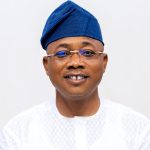
In Kogi, the situation has become sufficiently significant for Governor Ahmed Usman Ododo to initiate a formal reconciliation process within the APC.
On September 8, 2026, the governor inaugurated a 17-member Peace and Conflict Resolution Committee headed by former Governor Idris Wada. The committee was given the responsibility of engaging aggrieved party members, identifying unresolved disputes and developing mechanisms for reconciliation ahead of the 2027 elections.
The development has shifted attention from individual political disagreements to a broader question about how the APC can maintain unity while accommodating competing interests within its ranks.
When Political Competition Becomes Internal Bickering
Political parties routinely experience disagreements over elective positions, party leadership and political appointments.
However, the challenge arises when such disagreements become prolonged and begin to affect relationships among party leaders and grassroots members.
In Kogi, different political tendencies have emerged around issues of representation, succession and influence. The contest for elective positions has particularly heightened political calculations among party stakeholders.
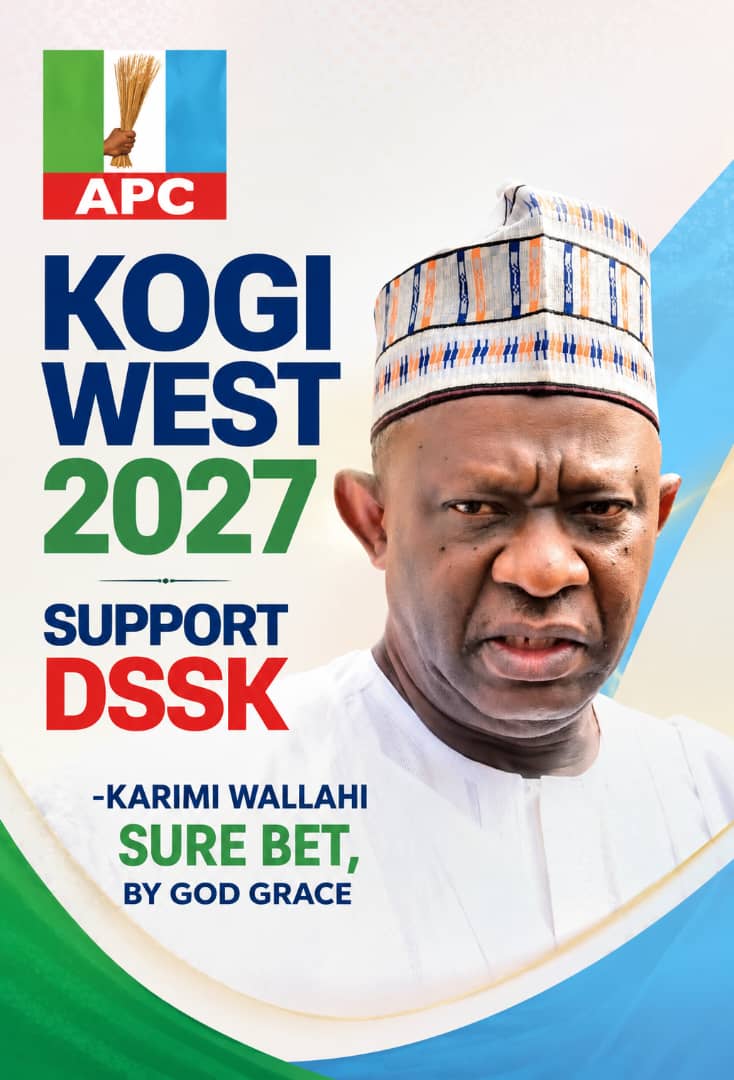
The situation has also been reflected in the controversy surrounding the APC’s Kogi West senatorial ticket, where Senator Sunday Steve Karimi emerged from the party’s primary while Hon. Samuel Bamidele Aro challenged aspects of the process.
The dispute has generated competing positions among party stakeholders and reinforced calls for reconciliation within the party.
Ododo’s Reconciliation Challenge
Governor Ododo’s decision to establish a peace committee indicates that the party leadership recognises the importance of addressing internal disagreements before they become more difficult to resolve.
The committee, headed by a former governor, is expected to engage stakeholders and examine the grievances responsible for disagreements within the party.
Its assignment is significant because reconciliation cannot be achieved merely through public declarations of unity.
It requires direct engagement with the individuals and groups involved in the disputes.
For APC, the real test will be whether the committee can bring competing political interests to the same table and encourage them to place the broader interests of the party above individual disagreements.
The Grassroots Factor
The consequences of internal division are not limited to the party’s chieftains.
Political disagreements at the leadership level can filter down to wards and local government areas, particularly where supporters identify strongly with different political camps.
A divided leadership can therefore create parallel structures, competing mobilisation efforts and conflicting messages to party members.
Conversely, a successful reconciliation process could help restore coordination between the leadership and grassroots structures.
This is particularly important in a state where political campaigns depend heavily on ward-level mobilisation and the ability of local leaders to coordinate supporters.
What Does APC Need to Do?
The first requirement is sustained dialogue.
Party leaders would need to create opportunities for competing tendencies to discuss their grievances openly and seek areas of agreement.
Secondly, internal party procedures must be respected. Where disputes arise from primaries or other party processes, affected members should have access to established mechanisms for seeking redress.
Thirdly, party leaders must distinguish between political competition and permanent hostility.
Winning an internal contest should not necessarily mean losing political relationships, just as losing a contest should not automatically translate into withdrawal from the party.
The APC may also need to strengthen communication among its leaders so that disagreements are addressed before they escalate.
Unity Without Suppressing Differences
Unity does not necessarily mean that every APC chieftain must hold identical political views.
A functioning political party can accommodate different opinions, ambitions and tendencies.
The more important issue is whether those differences can exist within a common organisational framework.
For APC in Kogi, this means creating room for legitimate competition while preventing personal disagreements from weakening the party’s structures.
The 2027 election will eventually require members who competed against one another internally to work together on the same campaign platform.
That makes reconciliation an issue that cannot simply be postponed until the election season.
A Test for Kogi APC Leadership
The current situation provides an important test for the party’s leadership.
The question is not whether APC can eliminate every disagreement among its members. No major political organisation can realistically achieve that.
The more practical question is whether the party can establish mechanisms capable of resolving disagreements without allowing them to permanently fracture its structures.
Governor Ododo’s peace committee is now expected to play a central role in that process.
Its effectiveness will depend on the willingness of the various stakeholders to participate, listen to one another and accept whatever legitimate mechanisms the party establishes for resolving outstanding disputes.
As the 2027 elections approach, APC’s ability to manage its internal differences will remain an important part of its political preparations in Kogi State.
For a party seeking to maintain a strong electoral organisation, the challenge is not merely confronting political opponents outside the party, but ensuring that internal competition does not prevent its members from working together when it matters most.
The coming months will therefore be crucial for determining whether the current disagreements can be transformed into dialogue, reconciliation and a more coordinated party structure ahead of 2027.
DemocracyNewslineNewspaper, September 17, 2026