





INEC Chairman’s India Conference Participation Sparks Hope for Nigeria’s Electoral Reforms
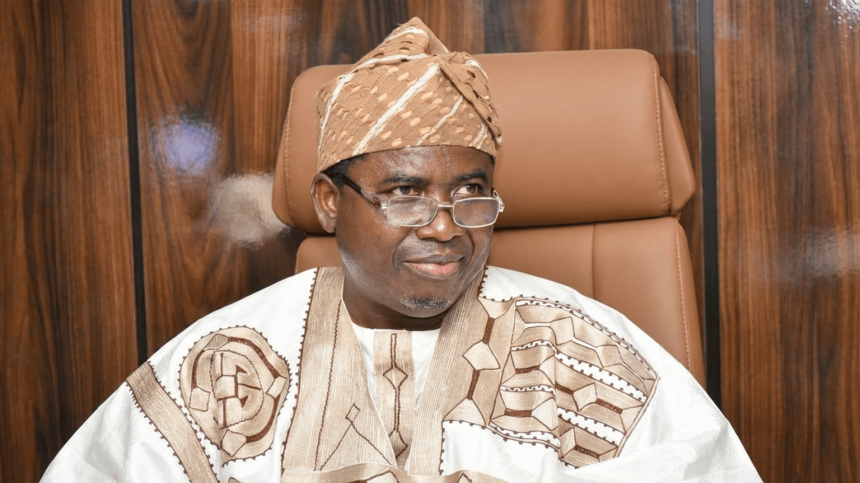
The participation of the Chairman of the Independent National Electoral Commission (INEC) in the ongoing Democracy and Election Management Conference in India is both timely and commendable.
- Advertisement -

At a period when democratic institutions across the globe are being tested by evolving political, technological, and socio-economic dynamics, the decision to engage with international peers reflects strategic leadership and institutional foresight.
India, Brazil, and Bangladesh share several defining attributes with Nigeria—large populations, diverse ethnic and religious compositions, complex electoral geographies, and the persistent challenge of conducting credible elections at scale.
Engaging with these jurisdictions provides a unique opportunity for practical peer-to-peer learning, beyond theory, grounded in real-world experiences of managing elections in pluralistic and highly competitive democratic environments.
The Chairman’s presence at this conference underscores INEC’s commitment to continuous improvement, innovation, and global best practices in election administration.
Exposure to India’s advances in electoral technology, Brazil’s experience with electronic voting and voter inclusion, and Bangladesh’s reforms in election security and stakeholder management offers valuable insights that can be contextualized to Nigeria’s realities.
This engagement also enhances Nigeria’s international standing, positioning INEC as an institution willing to learn, adapt, and contribute to global democratic discourse. It sends a strong signal to citizens, stakeholders, and the international community that electoral integrity remains a priority and that reforms are being pursued through informed, comparative, and collaborative approaches.
Overall, the Chairman’s active participation in this conference reflects visionary leadership and a clear understanding that strengthening Nigeria’s democracy requires openness to learning from comparable systems. Such deliberate knowledge exchange is essential for building more resilient, transparent, and credible electoral processes that inspire public confidence and deepen democratic governance in Nigeria.
Bello Charles Kolawole (Ph.D)
(DEMOCRACY NEWSLINE NEWSPAPER, JANUARY 22ND 2026)
