

Kano North 2027: Political Tensions Rise as Gwarzo’s Senate Ambition Sparks Debate
By Bala Salihu Dawakin Kudu Democracy Newsline
Northern Bureau Chief
- Advertisement -
8th April 2027.
As political alignments begin to take shape ahead of Nigeria’s 2027 general elections, fresh tensions are emerging in Kano North Senatorial District, raising concerns among observers about unity, strategy, and the future of the ruling party in the region.
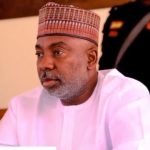
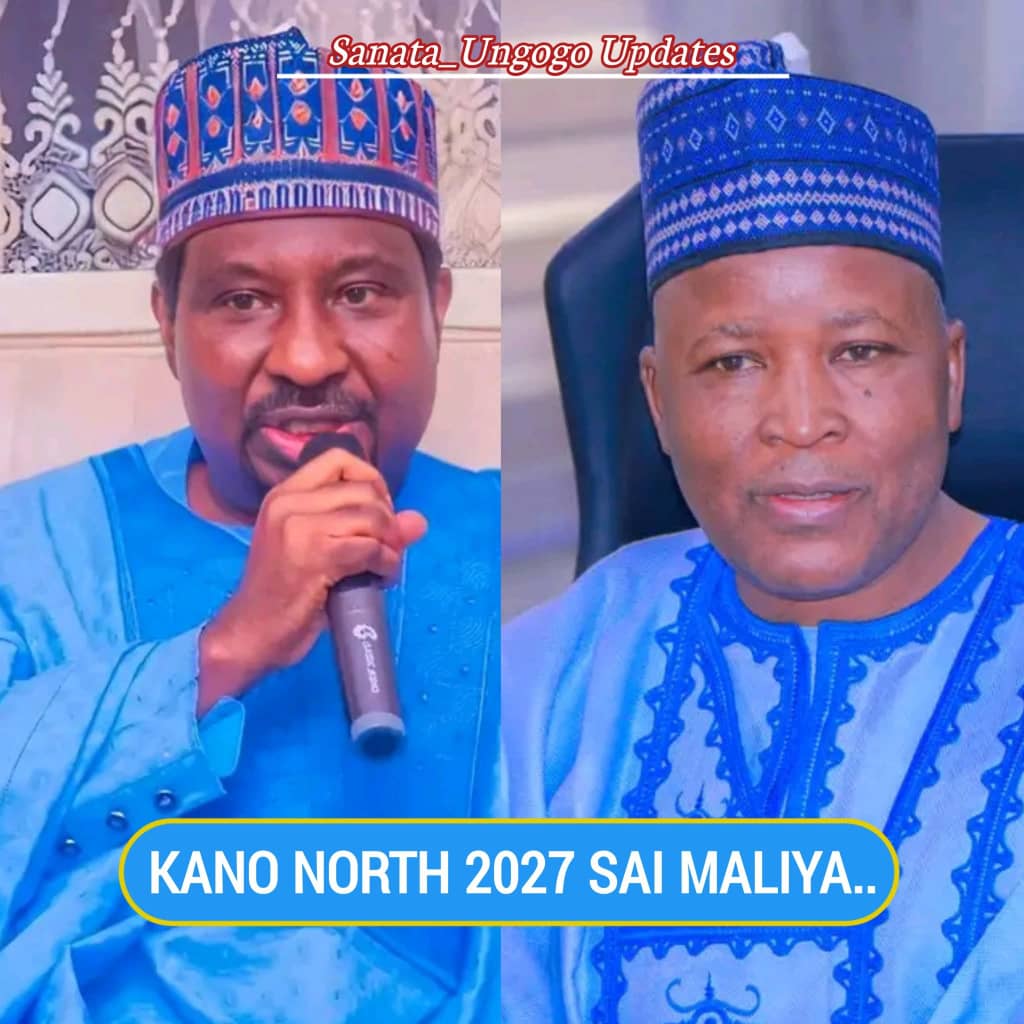
At the center of the unfolding drama is former Kano State Deputy Governor and former Minister of Works and Housing, Abdullahi Tijjani Gwarzo, whose reported interest in contesting the Kano North senatorial seat has generated widespread reactions.
However, political analysts and grassroots voices alike are interpreting his move less as a strategic ambition and more as a potential political confrontation with the incumbent, Deputy Senate President Barau I. Jibrin.
According to an investigation conducted by Democracy Newsline Newspaper, the emerging contest is widely perceived as unlikely to unseat Senator Barau, who maintains strong grassroots support across Kano North.
In an interview, a political figure identified as Senator Ungogo advised Gwarzo against entering a race he “knows he may not win,” warning that external influences could be pushing him toward a decision that may damage his political standing.
“The people and political stakeholders of Kano North have already shown where their loyalty lies,” he said. “The 2027 ticket, for now, appears firmly in Barau’s hands.”
Interestingly, even within Gwarzo’s camp, concerns are being raised. A supporter, speaking anonymously, expressed disappointment over what he described as unnecessary provocation.
“This move seems driven by rivalry rather than vision. It risks creating division and tension among politicians in the region,” he said.
Political analysts warn that such rivalry could slow down the region’s development and weaken party cohesion.
Dr. Mukhtar Abubakar of the Federal University Dutse emphasized the broader implications of the situation.
He noted that Senator Barau’s influence extends beyond Kano State, making him a significant figure in national politics. According to him, any attempt to sideline such a figure could have consequences not only for Kano politics but for national political calculations as well.
He further advised President Bola Ahmed Tinubu to proactively address internal party disputes in Kano to ensure electoral success in the state.
“If unity is not restored before candidate selection begins, it could affect the party’s chances in Kano,” he warned.
Across several local government areas, public opinion appears firmly in favor of Senator Barau.
Alhaji Aminu Ado from Dambatta stated clearly:
“No matter who contests, we will still vote for Barau. We have seen his work, and we have no reason to reject him.”
Similarly, Malama Hafsa Ibrahim from Bichi suggested that Gwarzo might even consider leaving the ruling party if he proceeds with his ambition, as defeating Barau within the same party structure would be extremely difficult.
“Even without campaigning, Barau can win. His record speaks for itself,” she said.
Another stakeholder, Alhaji Muhammadu from Dawakin Tofa, revealed that he had once considered contesting for the same seat but stepped aside after assessing Barau’s political strength.
“I realized he is more qualified and has stronger support,” he admitted.
This sentiment echoes a broader consensus: that Senator Barau’s dominance in Kano North politics remains largely unchallenged.
While Gwarzo’s supporters insist on his democratic right to contest, critics argue that the timing and motivation behind the move risk deepening political divisions.
Some voices went as far as describing the contest as “a battle against an invisible force,” emphasizing the perceived futility of challenging the incumbent.
Despite the growing debate, one thing remains clear: Kano North will be a key battleground in 2027, not necessarily because of uncertainty—but because of the strong political weight carried by its current representative.
“In Kano North, the choice is already clear. The real question is whether unity will prevail or internal rivalry will reshape the political landscape.”
The unfolding situation in Kano North reflects a broader theme in Nigerian politics—where ambition, loyalty, and influence intersect in complex ways. Whether Gwarzo proceeds with his candidacy or not, the coming months will be crucial in determining not just the fate of individuals, but the strength and cohesion of political structures in the region.
(DEMOCRACY NEWSLINE NEWSPAPER, APRIL 8TH 2026)