





Nigerian Universities Must Embrace AI, Build Resilience to Stay Relevant — CVCNU
By KEHINDE AKINPELU ILORIN
The Committee of Vice-Chancellors of Nigerian Universities (CVCNU) has called on universities across the country to move beyond merely surviving persistent challenges and reposition themselves as centres of innovation, ethical leadership and national development.
The CVCNU Chairman and Vice-Chancellor of Igbinedion University, Okada, Prof. Lawrence Ezemonye, made the call on Monday in Ilorin, Kwara State, at the 37th Annual General Assembly and Conference of the committee, themed “Building Resilient Universities for Nigeria.”
- Advertisement -

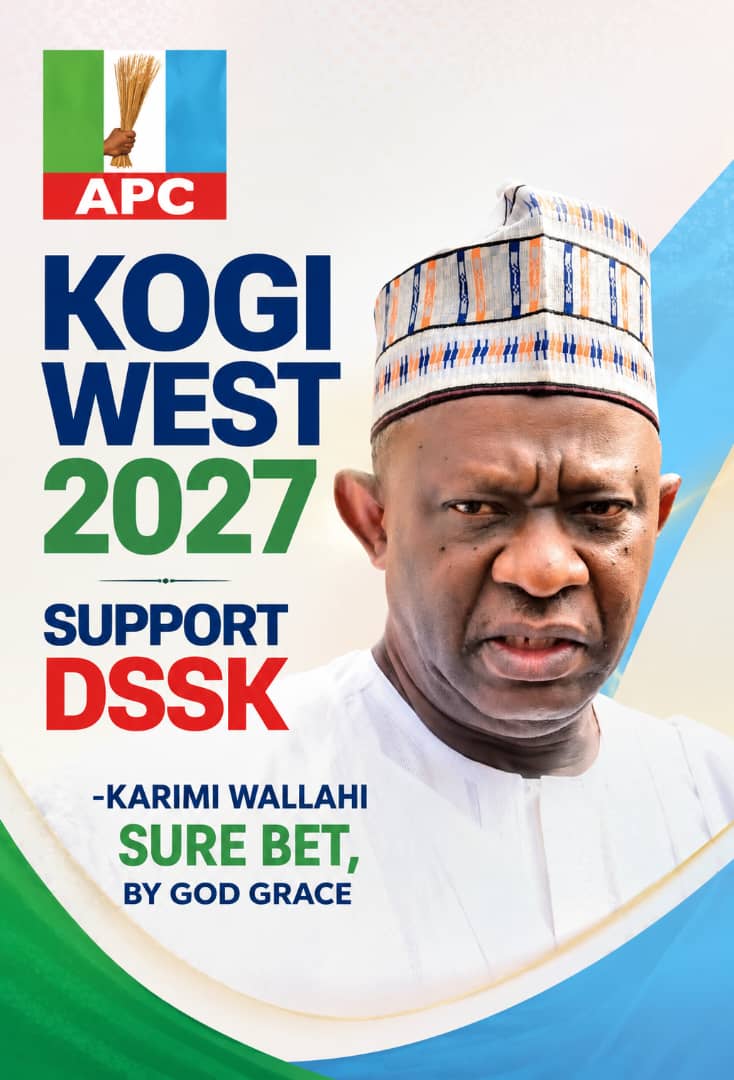
Ezemonye said Nigerian universities were facing one of the most critical tests in their history, stressing that the issue was no longer simply about institutional survival but their ability to remain relevant to a young population with rising expectations.
He said resilience in the university system must involve the capacity of institutions to withstand funding instability, industrial disputes, demographic pressures, technological disruption and the migration of skilled academics while sustaining excellence in teaching, research and community service.
“We meet at an hour when the Nigerian university is being tested as it has seldom been tested since the years immediately after independence. The test is not of our survival, for we have survived much. It is of our relevance to a young, restless and expectant nation,” he said.
The CVCNU chairman identified governance, university autonomy and financial sustainability as major areas requiring urgent attention.
He also called for the development of AI-ready universities, stronger partnerships among universities, government, regulators, industry and labour, as well as greater investment in human capital, academic excellence and the welfare of students and staff.
According to him, universities remain central to Nigeria’s development because they are responsible for producing the professionals, innovators and ethical leaders required to drive the country’s economic and social transformation.
Ezemonye urged stakeholders in the university system to engage in frank discussions about the challenges confronting tertiary education and, most importantly, move beyond resolutions to practical recommendations that can be implemented.
“The challenges before us are too grave and too urgent to be obscured by politeness or deference. We must speak plainly about the failures of the past and the demands of the future,” he said.
He warned that universities must prepare for a future increasingly shaped by artificial intelligence, rapid population growth and intense global economic competition, saying institutions that fail to adapt risk losing their relevance.
Meanwhile, the Executive Secretary of the National Universities Commission (NUC), Prof. Abdullahi Ribadu, cautioned universities against violating newly introduced regulatory guidelines, particularly those governing the conferment of honorary doctorate degrees.
Ribadu said universities must adhere strictly to the rules on honorary degrees, stressing that individuals without a first degree should not be considered for such honours.
He further said serving public office holders should not be recipients of honorary doctorate degrees under the new guidelines.
“It has been bastardised in the past. So, for now, we say, please, you are doing well. When you leave office, the university will honour you,” Ribadu said.
He also reminded universities that they were not permitted to combine more than three convocations in a particular year, urging institutions to comply with regulatory requirements.
In a related development, the Chairman of the Committee of Pro-Chancellors of Nigerian Federal Universities, Prof. Ahmed Yayale Ahmed, called for greater cooperation between Vice-Chancellors and Governing Councils to strengthen institutional stability.
Ahmed urged university managers and governing councils to put rivalry aside and embrace partnership, saying the complexity of challenges confronting the higher education sector required trust, transparency and a shared sense of purpose.
“Governing Councils are supervisory and advisory organs constituted by Government to support good governance and ensure the smooth and effective running of our institutions,” he said.
He maintained that stronger collaboration between university management and governing councils would help create a stable environment capable of supporting effective administration, academic excellence and sustainable development in Nigerian universities.
(DEMOCRACY NEWSLINE NEWSPAPER 20TH AUGUST, 2026)