


We Locked Tinubu in the Villa, But We Do the Operations – Yari
By Bala Salihu Dawakin Kudu
December 10, 2025
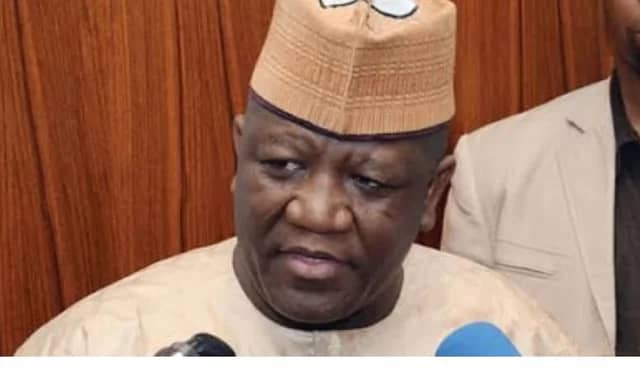
In one of the most provocative political statements of the year, Senator Abdulaziz Yari, representing Zamfara West and former Governor of Zamfara State, stirred fresh controversy on Wednesday when he claimed that President Bola Ahmed Tinubu is “caged” inside the Presidential Villa while key decisions of governance are executed by forces outside it.
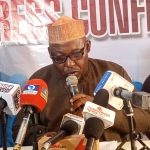
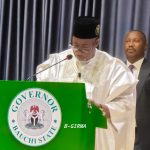
Yari made the remarks during the One Nigeria Project Conference held in Abuja, a gathering convened to address rising political tensions, national unity challenges, and the role of leadership in steering the country toward stability.
- Advertisement -
Speaking before a packed audience of political actors, civil society leaders, and youth delegates, Yari alleged that the Nigerian Presidency has, once again, fallen into the grip of powerful individuals operating behind the scenes—a long-standing criticism that has trailed successive administrations.
“Those close to the Presidency know that the Presidency is being run from outside the Villa more than inside,” Yari said. “We already have the President caged there. We locked him, but we do the operations.”
His statement, delivered calmly but with unmistakable seriousness, drew audible gasps from the audience.
Yari’s comments reignite the widely debated issue of a so-called political “cabal”—a term that has persisted in Nigeria’s political vocabulary from the Yar’Adua years through the Buhari administration. Both past administrations repeatedly denied the existence of any external group controlling presidential decisions, yet allegations persisted.
While Yari did not name specific individuals, his remarks were interpreted by many analysts as a direct critique of elite power blocs within the ruling All Progressives Congress (APC) and the broader political establishment.
Political observers note that tensions within the APC have escalated in recent months, particularly over economic reforms, fuel subsidy questions, insecurity, and disagreements on party leadership direction.
In a more philosophical tone, Yari described Nigeria as a nation held together not just by political structures but by divine grace and resilience.
“America says their country is God’s own country, but Nigeria is more of God’s own country than any other,” he said.
Reflecting on Nigeria’s history of upheavals— from the 1966 coups to the June 12 political crisis—Yari said the country has continually survived periods that “could have broken any other nation.”
Yari also dismissed suggestions that international allies or foreign leaders, including former U.S. President Donald Trump, could influence Nigeria’s internal crises.
“Don’t call Trump,” he said. “It’s the business of Nigerians. Trump has no business in Nigeria. He cannot solve the problem of Nigeria. Only Nigerians can solve Nigeria’s problems.”
His message underscored a broader theme of the conference: the urgency for national introspection and collective responsibility.
The senator revealed that he had met with President Tinubu the previous night.
“I told him I would be here, and if he has time, he should watch what we are doing.”
Sources at the event said Yari’s tone suggested both loyalty to the President and frustration with unnamed power brokers who, according to him, overshadow the office of the presidency.
Yari pointedly accused the political elite — not ordinary citizens — of being responsible for the country’s instability.
“The problem is the elite. Many who abuse Tinubu do so because they know the truth but prefer the narrative that suits their interests.”
He urged leaders to embrace honesty, accountability, and the moral responsibility of their positions.
Yari’s comments have already begun generating ripples in the political arena:
Civil society groups described the allegations as “disturbing and deserving of immediate clarification.”
Opposition lawmakers seized on the statement as proof of internal dysfunction within the ruling party.
APC insiders privately dismissed the comments as “overblown,” but none offered an official rebuttal at press time.
Political analysts suggest the remarks may deepen internal divisions within the APC ahead of key policy battles and the 2026 party congresses.
Whether interpreted as a warning, a confession, or an attempt to reshuffle power dynamics within the ruling class, Abdulaziz Yari’s bold assertions have thrust the question of who really governs Nigeria back into national debate.
As the country grapples with economic reforms, insecurity, and growing public discontent, the senator’s comments may mark a turning point—one that demands transparency from the Presidency and accountability from Nigeria’s political elite.
(Democracy Newsline Newspaper, December 10th 2025)