

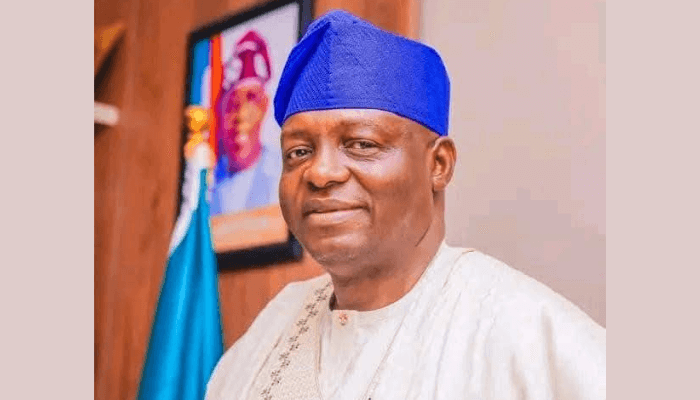

Why the APC Risks Losing Northern Nigeria If Policies Remain Unchanged.
Northern Nigeria has historically played a decisive role in determining the political direction of Nigeria.
Any party that loses the confidence of the North risks losing national power.
As 2027 approaches, growing dissatisfaction across Northern Nigeria suggests that the All Progressives Congress (APC) may face serious electoral consequences if it fails to urgently reform its policies and leadership approach.
Across Northern Nigeria
One of the strongest pillars of APC’s original support in the North was its promise to tackle insecurity. Today, that promise appears largely unfulfilled.
States such as Kebbi, Sokoto, Zamfara, Katsina, Bauchi, Borno, Kano, and North East continue to suffer from banditry, kidnapping, insurgency, and violent crimes. Travel between towns and villages has become dangerous, and in some areas nearly impossible without armed escorts.
- Advertisement -
Farmers abandon their farmlands, traders fear highways, and rural communities live under constant threat.
The reality is clear:
No prominent political figure, government official, or business leader can comfortably move across many Northern states without serious security concerns. When leaders cannot safely access their people, governance becomes distant and ineffective. For the ordinary Northerner, this failure feels like abandonment.
If APC leaders genuinely descend to the grassroots—markets, villages, women associations, youth groups, and farming communities—they will encounter deep frustration.
Market women complain of poor sales and shrinking purchasing power, Farmers face insecurity, high transport costs, and lack of support, Youth struggle with unemployment and hopelessness, Small business owners are collapsing under inflation and fuel costs.
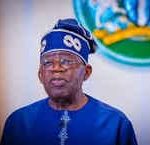
Asking these citizens to vote for Bola Ahmed Tinubu in 2027 without addressing their lived realities will likely be met with resistance. For many, voting APC again feels like choosing continued hardship. This is where the party risks losing its strongest voting base.
Fuel Subsidy Removal and Economic Hardship; The fuel crisis triggered by the subsidy removal under the Tinubu administration has had devastating consequences, particularly in Northern Nigeria.
Northern economies rely heavily on transportation—of farm produce, livestock, and goods across long distances. The sudden rise in fuel prices led to: Increased food prices, Higher transport fares, Collapse of small and medium-scale businesses.
For many Northerners, this policy was introduced without adequate cushioning measures. The perception is that the burden of economic reform was placed on the masses while relief failed to reach them. Economic pain, when prolonged, often translates into political rejection.
Unemployment and Broken Promises; APC’s rise to power was anchored on promises of mass employment and economic revival. However, unemployment—especially youth unemployment—remains alarmingly high.
Graduates roam the streets without jobs, vocational training programs are insufficient, and industries capable of absorbing labor are struggling. A generation that feels ignored and economically trapped is unlikely to support the same leadership again. In a region where youths form a large voting population, this failure is politically dangerous.
Budget Credibility and Governance Transparency;
Questions surrounding national budgets have also damaged public trust.
Many Nigerians argue that the 2024 and 2025 budgets did not translate into visible development on the ground. Infrastructure, healthcare, education, and social welfare improvements remain minimal in many Northern communities.
If citizens cannot see how public funds improve their lives, confidence in government collapses. Transparency is not optional in democracy—it is essential for legitimacy.
Tax Reforms and Increased Burden on the Poor; The introduction of new tax reforms has further alarmed many Nigerians. While taxation is necessary for governance, the timing and structure of these reforms matter. In a struggling economy: Higher taxes reduce disposable income
Small businesses suffer more Informal sector workers are pushed deeper into poverty.
In Northern Nigeria, where poverty rates are already high, these reforms are perceived as policies that punish survival rather than encourage growth.
Foreign Influence and National Sovereignty Concerns; The growing presence and influence of foreign countries such as France and the United States in Nigeria’s security and economic affairs has raised suspicion among citizens.
Many Northerners question:
Why insecurity persists despite foreign involvement
Whether national sovereignty is being compromised
Whose interests are truly being protected
Without clear communication and tangible benefits, foreign partnerships can quickly become political liabilities.
Why Cross-Carpeting Is Rampant in Nigeria; The mass defection of politicians into APC did not happen because of ideological alignment. It happened largely because Politicians seek power and protection,
Weak party ideology allows easy movement,
Internal democracy within parties is poor. Ironically, this wave of cross-carpeting has weakened APC internally. The party is now seen as a coalition of personal interests rather than a united ideological movement. When power shifts, the same politicians will move again—this time away from APC.
The downfall of APC, if it occurs, will not be because opposition parties suddenly became strong. It will be because the ruling party failed to listen. Northern Nigeria is not asking for miracles. It is asking for:
Security, Economic relief
Jobs, Transparency, and
Respect for the suffering masses.
If APC continues on its current path without meaningful reforms, policy corrections, and genuine engagement with the grassroots, it risks losing Northern Nigeria—and with it, the 2027 election.
Political power in democracy belongs to the people. When hardship becomes their daily experience, change becomes their only option.
Write Bala Salihu Dawakin Kudu from the office of Democracy Newsline 08060017934
(DEMOCRACY NEWSLINE NEWSPAPER, JANUARY 3RD 2026)