

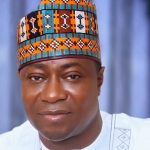





Yagba Federal Constituency Is Fortunate to Have a Representative with Multiple Competencies in Rt. Hon. Leke Abejide
By Our Correspondent
In the complex and demanding world of democratic representation, the value of a legislator extends beyond the ability to speak on the floor of the National Assembly. Effective representation requires a combination of legislative experience, political negotiation, community engagement, grassroots mobilisation, economic empowerment and a commitment to development. These are the multiple competencies that supporters of Rt. Hon. Leke Abejide associate with his representation of Yagba Federal Constituency in Kogi State.
For the people of Yagba East, Yagba West and Mopamuro Local Government Areas, the question of representation is closely connected to the practical needs of their communities: good roads, access to education, economic opportunities, youth development, support for farmers and traders, and improved social infrastructure. It is against this background that Abejide’s public activities and development initiatives deserve attention.
The office of a member of the House of Representatives carries responsibilities that go beyond lawmaking. A representative is expected to articulate the concerns of constituents, participate in legislative deliberations, engage relevant government institutions and pursue interventions that can improve the living conditions of the people.
- Advertisement -

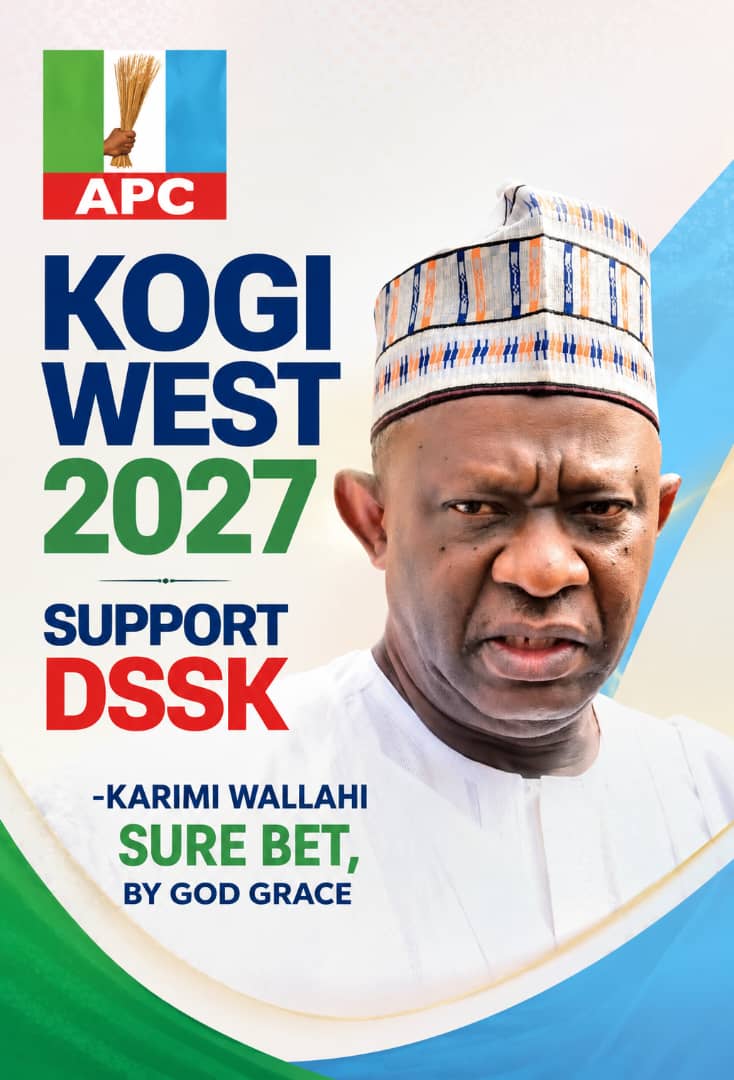
Abejide’s political profile reflects an approach to representation that combines legislative engagement with constituency-level activities. His supporters point to his community visits, development-related announcements, empowerment initiatives and engagement with local stakeholders as evidence of his interest in connecting national politics with grassroots needs.
The significance of this approach lies in the understanding that the benefits of democracy should not remain confined to Abuja. They should be reflected in the daily experiences of ordinary citizens in villages, towns and local government headquarters.
One of the recurring expectations of the people of Yagba Federal Constituency is the delivery of projects that respond to long-standing development needs. Road infrastructure, market facilities, educational support and other community-based interventions remain important to local economic growth.
Abejide has been associated with development initiatives in different communities across the constituency. Among the projects highlighted in public reports are the commissioning of the Okeaga Road in Odo-Ere, Yagba West, and the announcement of plans relating to Oja Opè market.
Such interventions illustrate the connection between infrastructure and economic activity. A functional road can improve access to markets, reduce transportation difficulties and help farmers and traders move their goods. A well-planned market can create a more organised environment for commerce and support the livelihoods of small business owners.
However, the ultimate value of any development initiative should be measured by its completion, quality, accessibility and long-term benefit to residents. Sustained public reporting and community feedback are therefore essential in assessing the impact of constituency projects.
Another important dimension of representation is the ability to support people who are working to improve their economic circumstances.
Youth unemployment, limited access to capital and the challenges facing small businesses continue to place pressure on many households. In communities where agriculture, trading and informal enterprise provide major sources of livelihood, targeted support can help residents expand their activities and build greater financial stability.
Abejide and the Leke Abejide Foundation have featured in public discussions surrounding community development and empowerment programmes especially yhe disbursement of #740million to 74 community in Yagba land which the second phase is set to be disburse any moment from now. Reports have also referred to funding initiatives intended to support cooperative societies and local development efforts.
These programmes raise important questions about how empowerment funds are administered, who benefits, how beneficiaries are selected and what measurable results are achieved. Transparent implementation, proper documentation and periodic evaluation would help ensure that such interventions deliver lasting value to the intended communities.
For Yagba residents, the broader objective should be to move beyond one-off assistance towards sustainable opportunities that enable young people, women, artisans, farmers and entrepreneurs to build independent livelihoods, Leke Abejide is not found waiting in this regard.
Democratic representation also requires the ability to build relationships across political, traditional and community institutions. Constituency development often involves negotiations with government agencies, collaboration with other elected officials and engagement with community leaders.
Abejide’s participation in political and community engagements, including reported interactions with other political stakeholders in Kogi West, forms part of the wider political environment in which development priorities are pursued.
Such engagements create opportunities for cooperation across party lines, particularly where communities share common interests in infrastructure, security, education and economic development.
Nevertheless, political alliances are most valuable when they produce tangible public benefits. The people ultimately judge political engagement by whether it contributes to peaceful coexistence, effective representation and improvements in their communities.
While constituency projects and empowerment programmes attract public attention, the legislative aspect of Abejide’s responsibilities remains equally important.
Members of the House of Representatives participate in the consideration of bills, appropriation measures, oversight activities and debates on national issues. Their work can influence policies affecting local government, state development, federal resource allocation and the wider economy.
For Yagba Federal Constituency, effective representation requires that local concerns receive appropriate attention within national policy discussions. Rural roads, agricultural productivity, access to healthcare, educational opportunities and support for small enterprises are among the issues that require consistent engagement.
A comprehensive assessment of any legislator should therefore consider both constituency-level interventions and documented legislative contributions. These two dimensions complement each other: projects address immediate needs, while sound legislation and effective oversight help shape the institutional conditions for sustainable development.
Yagba Federal Constituency has communities with considerable human and economic potential. Its people possess skills, entrepreneurial energy, agricultural knowledge and a strong interest in the development of their homeland. Realising that potential requires cooperation among elected representatives, traditional institutions, community organisations, the private sector and residents themselves.
The presence of a representative involved in different aspects of public life can create opportunities for broader engagement. Yet the challenge is to translate those opportunities into measurable improvements in the lives of constituents.
The people of Yagba should continue to encourage initiatives that promote development while also demanding accountability, fairness in the distribution of benefits and regular updates on public commitments. Constructive scrutiny is not opposition to development; it is one of the ways democratic representation can become more effective.
Rt. Hon. Leke Abejide’s representation of Yagba Federal Constituency provides an opportunity to examine the many responsibilities that modern democratic leadership entails. Legislative engagement, community relations, political negotiation, infrastructure advocacy and economic empowerment are different but interconnected aspects of public service.
His supporters regard his involvement in these areas as an indication of a broad approach to representation. The lasting judgment, however, will depend on verifiable outcomes, the sustainability of development initiatives and the extent to which the needs of constituents are addressed.
For Yagba East, Yagba West and Mopamuro, the goal remain clear: representation that delivers practical benefits, promotes equal opportunities and strengthens the foundations for future development.
Ultimately, the real measure of multiple competencies in public office is not simply the number of activities undertaken, but the quality of the results achieved and the difference those results make in the lives of the people.
DemocracyNewslineNewspaper October 26th, 2026