




Ambition Is Not a Crime in Politics — But Where Is Decency?
By Bala Salihu, Northern Bureau Chief, Democracy Newsline
April 25, 2026
In any democratic setting, the pursuit of political office is not only legitimate—it is a fundamental pillar of democracy itself. Every qualified individual has the right to aspire, to contest, and to lead. However, beyond legal qualifications lies a more delicate framework: ethics, dignity, and a sense of restraint.
These are the invisible lines that separate principled leadership from reckless ambition.
Today, a brewing political crisis in Kano South Senatorial District has brought these questions sharply into focus.
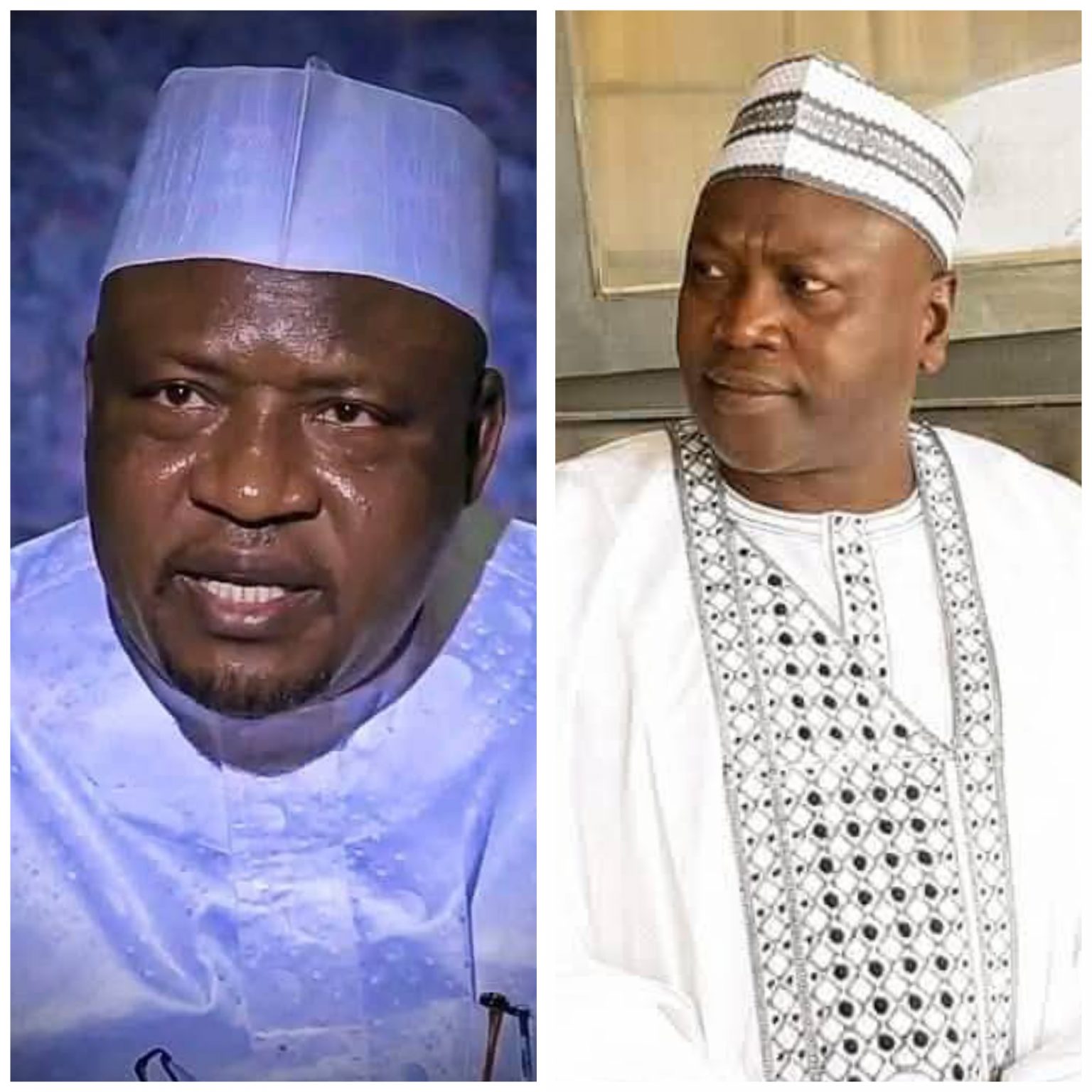
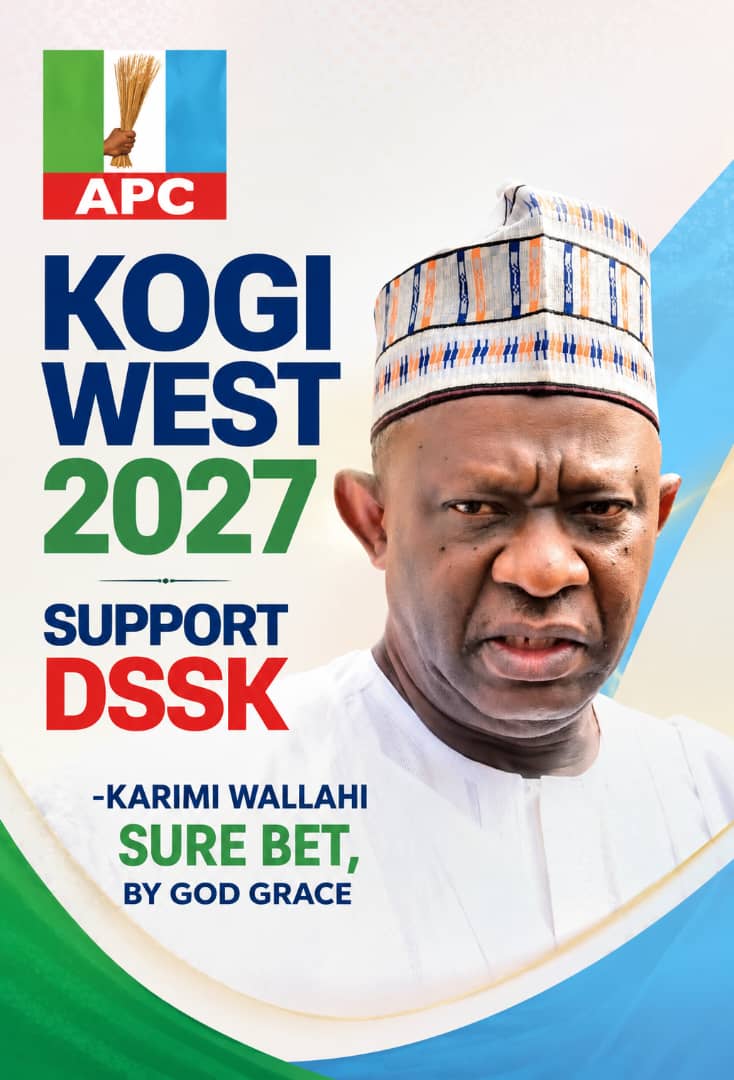
At the center of the unfolding tension are two influential figures: Senator Abdulrahman Kawu Sumaila and House of Representatives member Kabiru Alhassan Rurum. For years, both men have maintained a relationship defined by mutual respect and political understanding.
- Advertisement -

That is precisely why the current situation has shocked many observers.
A Crisis Takes Shape
Political watchers in Kano State are increasingly concerned about reports of a calculated effort to destabilize Senator Kawu Sumaila’s position. The alleged plan, according to multiple party insiders, is to unseat him through internal political maneuvering rather than open democratic contest.
More troubling are allegations implicating the Governor of Kano State, Abba Kabir Yusuf. Sources within the political structure—some speaking on condition of anonymity—suggest that meetings held by chairmen across the 16 local government areas in Kano South may have been conducted with tacit approval from the governor.
While no official confirmation has been made, the perception alone is enough to raise concerns. In politics, perception often shapes reality.
Observers point to the political history of Senator Kawu Sumaila, particularly his past realignments and influence, as a possible factor behind the current tensions. His political trajectory has not been without controversy, but his grassroots support remains significant.
Close associates of Hon. Kabiru Alhassan Rurum have also expressed unease. Some insist that if he is unaware of the alleged plot, he must publicly distance himself from it. Others argue that such a move could not occur without high-level backing.
The silence from key actors, including Rurum himself, has only deepened suspicion.
This raises an uncomfortable question: Is this a case of legitimate political ambition, or a descent into opportunism?
There is no doubt that both men are experienced politicians. Senator Kawu Sumaila has served at multiple levels of governance, including both the House of Representatives and the Senate, building a reputation for strategic thinking and political resilience.
Hon. Rurum, too, has a notable political record. Yet analysts argue that there is a clear difference in depth of influence, political reach, and grassroots command between the two.
This disparity makes the alleged attempt to displace Kawu Sumaila appear less like healthy competition and more like a forced confrontation.
In a functioning democracy, competition is expected—but it must be guided by integrity. Political ambition pursued without regard for loyalty, trust, or public perception risks undermining the very system it seeks to serve.
The unfolding events in Kano South suggest a dangerous erosion of these values.
There is a saying in politics: sometimes, those who are lifted up become the first to challenge their benefactors. Whether that applies here remains open to interpretation, but the sentiment resonates strongly in the current climate.
The consequences of this crisis may extend far beyond Kano South. Political fragmentation in the region could weaken party cohesion, reduce public trust, and deepen divisions among supporters.
More broadly, it could affect the political fortunes of key figures, including Nigeria’s President, Bola Ahmed Tinubu. Kano remains a critical political stronghold, and internal conflicts within its power structure could reshape national calculations.
There are also concerns that Governor Abba Kabir Yusuf’s political future could be at risk if the situation escalates, particularly if accusations of internal sabotage and anti-party activities gain traction.
A Warning for the Future
Politics is not merely about winning—it is about sustaining trust. History has shown that leaders who abandon loyalty and ethical conduct often lose the very support that elevated them.
If dignity is stripped from politics, what remains is a hollow contest—one driven not by vision, but by desperation.
The crisis in Kano South serves as a powerful reminder: democracy thrives not just on participation, but on principles. Without them, even victory becomes meaningless.
(DEMOCRACY NEWSLINE NEWSPAPER, APRIL 26TH 2026)