

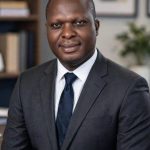

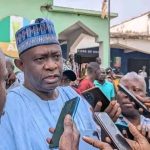

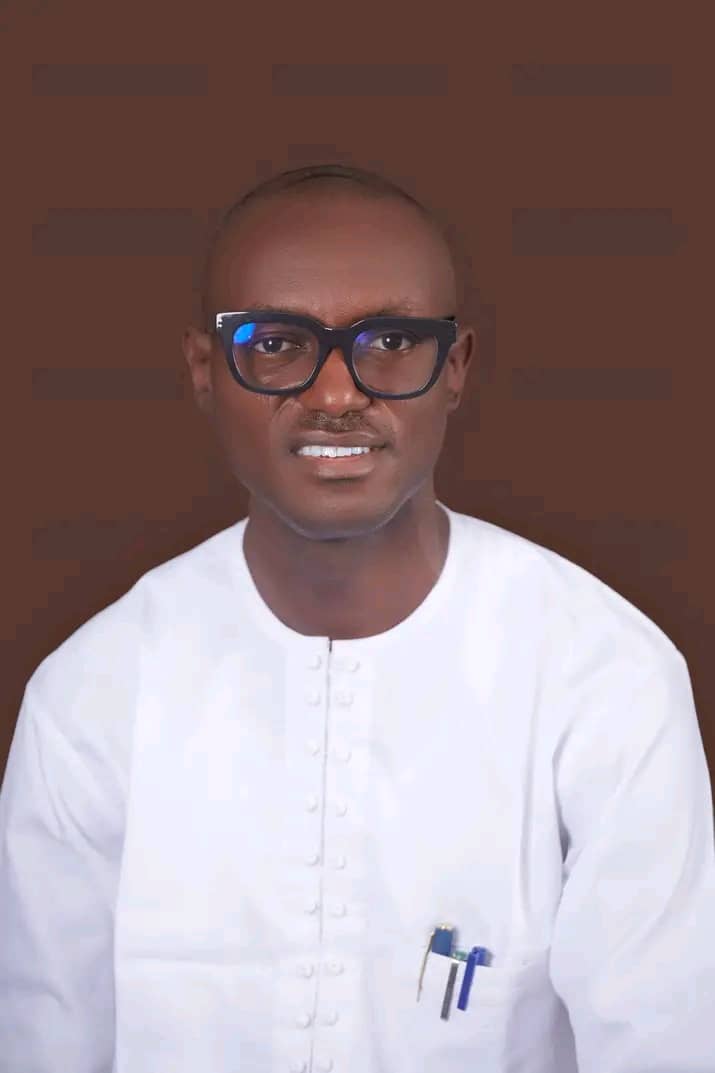

Asiwaju Prince Olatunji Olusoji: The Quiet Force Behind a Thousand Smiles
…Epitome of Humanitarian Service in a Time of Need
By Temiloluwa Samuel
In a country where titles often outshine impact, Asiwaju Prince Olatunji Olusoji has chosen a different path: impact first, recognition later. To many in Delta, Kogi, Niger, Lagos states and beyond, he is not just a traditional titleholder. He is “Baba Anu” — the father of mercy — a name earned not from ceremony, but from consistent, hands-on humanitarian work that reaches the poorest households before cameras arrive.
Those who have worked with Asiwaju Olusoji say his philosophy is simple: “A title means nothing if the people you serve are still in pain.” That belief has shaped a decade-long record of interventions that cut across health, education, poverty alleviation, and community development.
- Advertisement -


From sponsoring surgeries for patients who could not afford hospital bills, to paying WAEC/NECO and jamb fees for indigent students, his approach is personal. He shows up. He listens. He pays. It is why rural farmers in the hinterlands speak his name with a familiarity usually reserved for family.
What sets Asiwaju Olusoji apart is his focus on “the last mile” — the people government programs and NGOs often miss. During economic downturns, he has distributed foodstuffs, cash grants, and essential materials directly to widows, artisans, and persons living with disabilities. No long forms. No political screening.
In health, his foundation, Prince Olatunji Olusoji Foundation has partnered with local clinics to fund free medical outreaches. In education, beyond exam fees, he supports scholarships and provides learning materials for children in underserved communities. The goal, aides say, is not charity for a day, but dignity for a lifetime.
As Asiwaju of Ayere Kingdom in Ijumu Local Government Area of Kogi state, Prince Olusoji blends traditional leadership with modern philanthropy. He uses the influence of his title not for pomp, but as leverage to mobilize resources and volunteers. Traditional rulers who know him describe him as a bridge: respected in the palace, trusted on the streets.
He rarely seeks publicity. When he does appear at events, it is usually to hand over cheques, equipment, or completed projects — then he steps back. “Humanitarian service is not about you,” he has been quoted saying. “It is about the person whose burden becomes lighter because you existed.”
At a time when Nigerians are grappling with inflation, energy costs, and limited access to healthcare, Asiwaju Olusoji’s model of service offers a lesson: development does not always start with big policy. Sometimes it starts with one person deciding that a child’s school fees or a mother’s hospital bill is his problem too.
He has not solved every challenge, and he will be the first to say more needs to be done. But in communities where his interventions landed, the story is the same — a family kept together, a student stayed in school, a patient got a second chance.
Calling Asiwaju Prince Olatunji Olusoji an “epitome of humanitarian services” is not hyperbole. It is how beneficiaries describe him when asked why they trust him. He represents what happens when privilege meets purpose, and when a title is worn as a responsibility, not an ornament.
As Nigeria continues to search for role models beyond politics and profit, his life offers a quiet answer: be present, be consistent, serve without fanfare. The smiles he leaves behind are his loudest endorsement.
(DEMOCRACY NEWSLINE NEWSPAPER, JUNE 14TH 2026)