



Barau Jibrin and the Politics of Endurance: A Defining Force Ahead of Nigeria’s 2027 Elections.
By Bala Salihu Dawakin Kudu Democracy Newsline
Northern Bureau Chief
April 27, 2026.
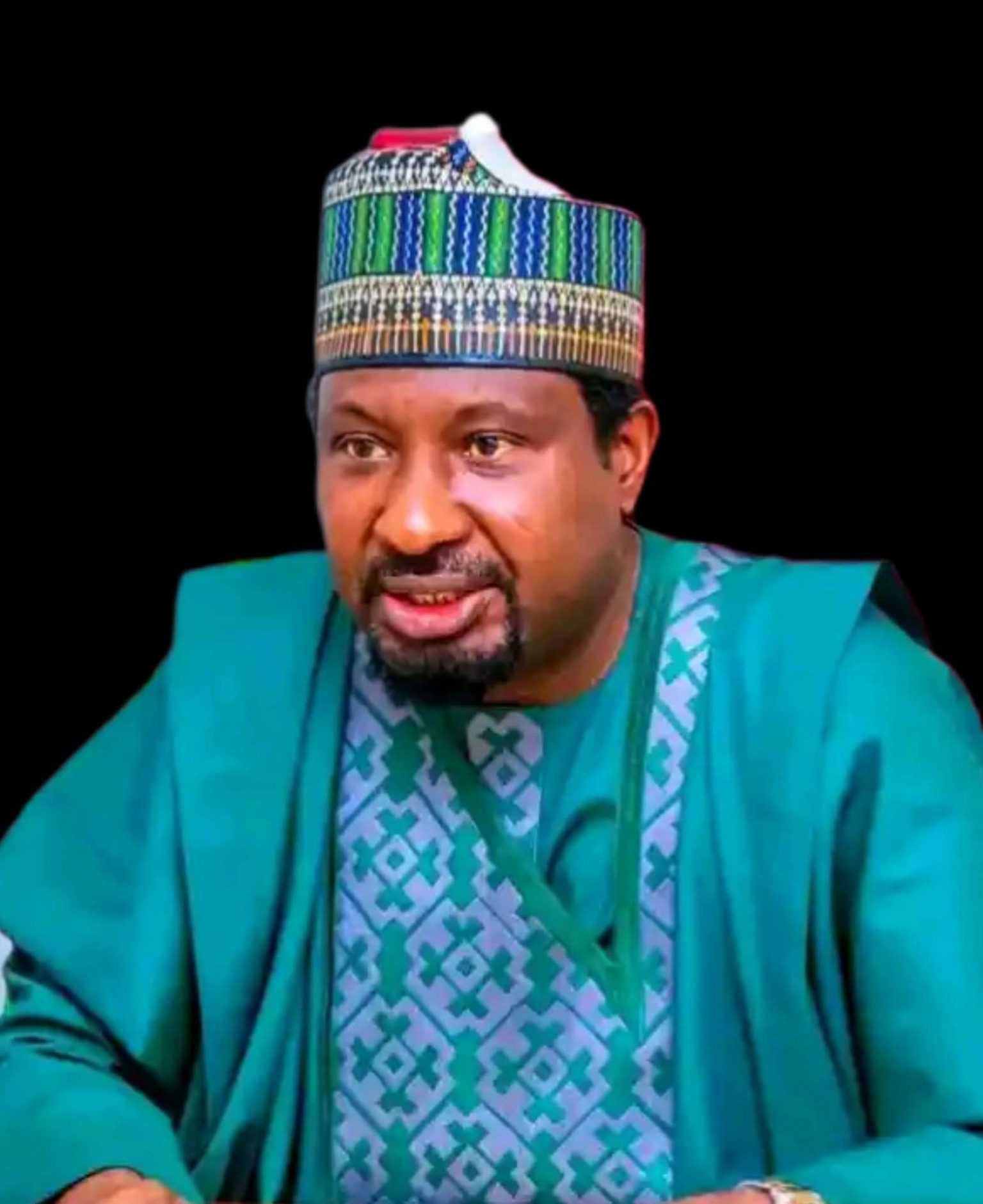
As Nigeria’s political atmosphere gradually heats up ahead of the 2027 general elections, debates over continuity versus change are gaining momentum. At the center of this unfolding conversation stands Barau I. Jibrin—a figure whose political journey has come to symbolize resilience, influence, and strategic durability.
For many political observers, Barau’s story is not merely about longevity in office. It is about his remarkable ability to consolidate power and sustain relevance within a constantly shifting political landscape. Since 1999, he has remained a central pillar in Nigeria’s legislative framework, navigating transitions that have unseated many of his contemporaries.
- Advertisement -

Such endurance is rare in a system where political fortunes can change overnight. Yet Barau has not only endured; he has expanded his influence, building a network and structure that appears increasingly difficult to dismantle.
His early political career in the House of Representatives laid the foundation for this long-standing trajectory. As Chairman of the Appropriation Committee, he occupied a strategic position that shaped government spending and policy direction—an experience that sharpened both his technical expertise and political instincts.
His eventual move to the Senate elevated his stature even further. This transition was more than a personal achievement; it signaled institutional trust and underscored the depth of his political capital.
For those considering challenging him in 2027, this history presents a formidable obstacle. Taking on a politician so deeply versed in the mechanics of governance requires far more than ambition—it demands structure, experience, and time.
Beyond Nigeria’s borders, Barau’s leadership role in the ECOWAS Parliament has further enhanced his profile, connecting him to regional politics and elevating his standing both domestically and internationally.
Yet, the true foundation of his strength lies at the grassroots. Investments in education, particularly scholarship programs, have benefited thousands within his constituency, creating a loyal support base rooted in tangible impact.
In addition, initiatives focused on empowering women and youth have broadened his appeal across diverse segments of society. In Nigeria’s political landscape, proximity to the people remains a decisive factor—and Barau has cultivated a reputation as an accessible and responsive leader.
This reality underscores a critical point: any contender in 2027 will not merely face an individual, but an entrenched political structure.
In Kano—a region known for its dynamic and often unpredictable political shifts—Barau continues to stand as a dominant force, blending experience with widespread grassroots support.
Ultimately, the question is not whether Barau will remain relevant in 2027, but how formidable his influence will be. His track record suggests a politician poised to remain a defining factor in any contest.
For aspiring challengers, the message is unmistakable: confronting Barau I. Jibrin is no small undertaking—it requires careful planning, deep strategy, and a clear understanding of the terrain.
(DEMOCRACY NEWSLINE NEWSPAPER, APRIL 28TH 2026)