
EFCC Detains Former Kaduna Governor Nasir El-Rufai Over Alleged ₦432 Billion Fraud
By Bala Salihu Dawakin Kudu Democracy Newsline
February 17, 2026.
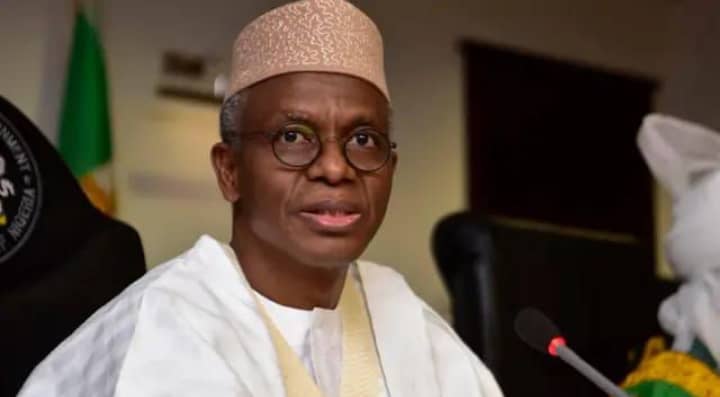
Nigeria’s anti-corruption agency, the Economic and Financial Crimes Commission (EFCC), has detained former Kaduna State Governor, Nasir El-Rufai, following hours of interrogation at its headquarters in Jabi, Abuja.
El-Rufai reportedly arrived at the EFCC office around 10:00 a.m. on Monday in response to an invitation by the commission. However, by late Monday night, he remained in custody as investigators continued questioning him over alleged financial misconduct totaling approximately ₦432 billion. A senior EFCC official confirmed his detention, stating that he would not be released immediately as investigations were still ongoing.
- Advertisement -
The investigation stems from a 2024 report issued by the Kaduna State House of Assembly, which accused El-Rufai’s administration (2015–2023) of large-scale financial irregularities.
The Assembly set up an ad hoc committee chaired by Henry Zacharia to examine the financial dealings of the previous administration.
Several loans obtained during El-Rufai’s tenure were allegedly diverted, Due process in contract awards was reportedly violated, and
Kaduna State was left with significant debt burdens.
Approximately ₦423 billion was allegedly misappropriated.
The committee recommended that El-Rufai and several senior officials from his administration face prosecution for Abuse of office, Money laundering,
Irregular contract awards, Unauthorized borrowing, and Diversion of public funds. Petitions were subsequently forwarded to both the EFCC and the Independent Corrupt Practices Commission (ICPC).
Among the specific allegations listed in the report are: Questionable contract payments exceeding ₦155 million,
Alleged diversion of ₦1.37 billion earmarked for the Kaduna light rail project,
Suspected laundering of ₦64.8 million by senior government aides,
El-Rufai has firmly denied all allegations, describing them as politically motivated. He maintains that every loan secured during his administration was lawfully obtained and used for infrastructure, education reform, healthcare expansion, and security improvements across Kaduna State. During his tenure, El-Rufai was widely known for aggressive urban reforms, controversial demolitions, and attempts to restructure Kaduna’s civil service. Supporters credit him with modernizing infrastructure, while critics accuse him of high-handed governance and excessive borrowing.
In a separate development, the Federal Government has filed a case at the Federal High Court in Abuja accusing El-Rufai of involvement in an alleged unlawful interception of communications belonging to the National Security Adviser, Nuhu Ribadu.
The allegations arose from comments El-Rufai made during a televised appearance on Arise TV. In an interview aired on February 13, 2026, he reportedly suggested that he and his associates had access to a private telephone conversation allegedly originating from the NSA’s phone, He failed to report the alleged cybercrime to authorities,
The incident may have compromised national security and No official arraignment date has yet been announced.
Meanwhile, Nigeria’s domestic intelligence agency, the Department of State Services (DSS), has reportedly reopened investigations into the disappearance of Abubakar Idris, popularly known as Dadiyata. Dadiyata, a lecturer at the Federal University Dutsinma in Katsina State, was abducted from his Kaduna residence on August 1, 2019, by unidentified gunmen. His whereabouts remain unknown.
Security sources say the DSS recently seized El-Rufai’s passport at the Nnamdi Azikiwe International Airport to prevent him from leaving the country while investigations continue.
Authorities are also reviewing social media posts allegedly made by his family members shortly after Dadiyata’s disappearance.
The lecturer had been known as a vocal critic of government policies at the time. El-Rufai has denied any involvement or knowledge of Dadiyata’s disappearance, insisting he never had personal dealings with the lecturer and had no motive to target him.
These developments mark one of the most significant legal challenges faced by Nasir El-Rufai since leaving office. Once a powerful reformist governor and former minister of the Federal Capital Territory, he now finds himself at the center of overlapping investigations involving financial management, national security allegations, and long-standing political controversies.
As investigations unfold, Nigerians await clarity on whether the accusations will result in formal charges and prosecution — or whether the case will deepen political tensions within the country’s evolving democratic landscape.
(DEMOCRACY NEWSLINE NEWSPAPER, FEBRUARY 17TH 2026)