



Four Major Takeaways from Wednesday’s Senate Plenary – DSP Barau.
By Bala Salihu Dawakin Kudu
Democracy Newsline, Abuja
February 5, 2026.
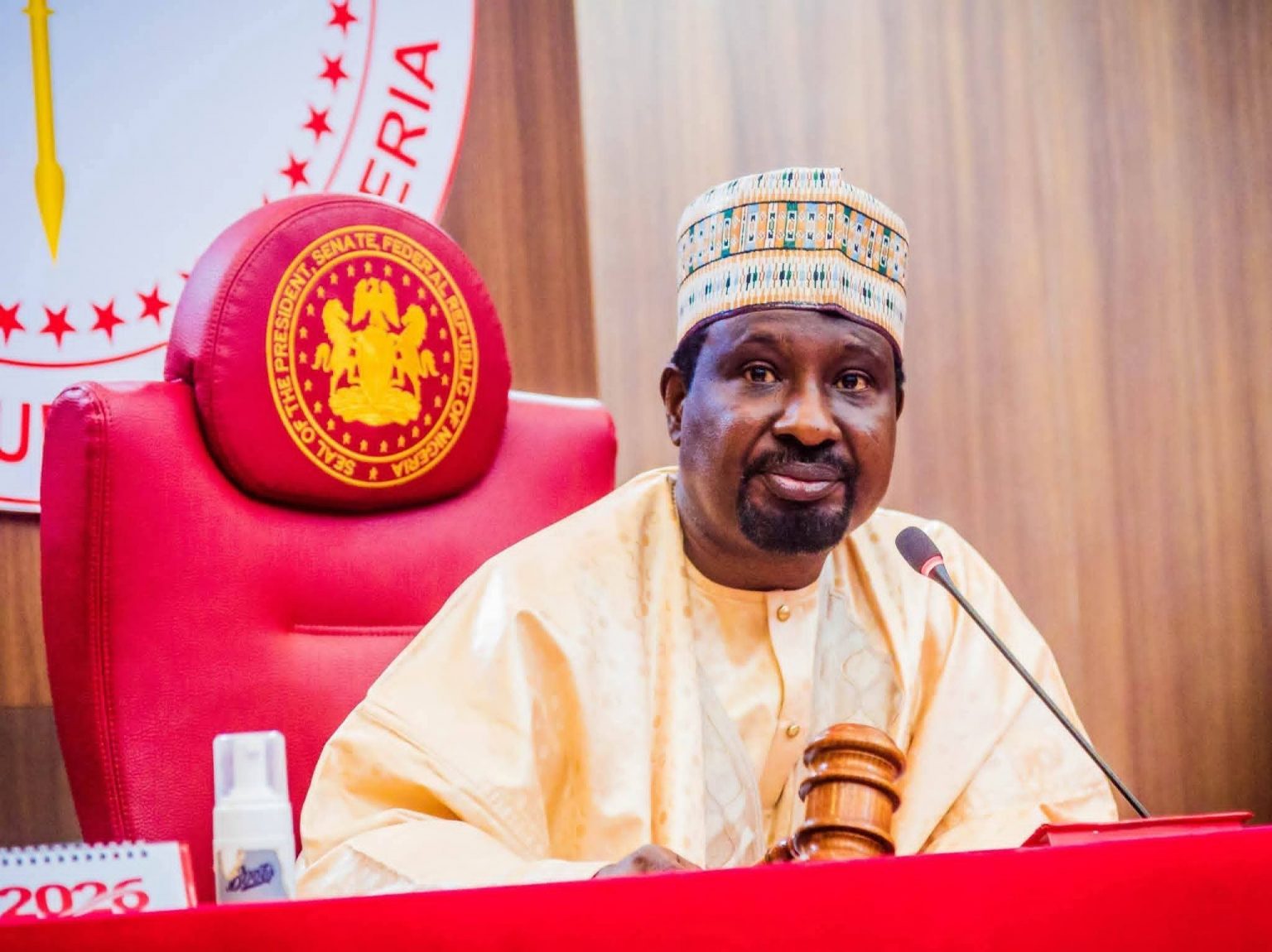
The Nigerian Senate on Wednesday recorded a landmark legislative sitting marked by electoral reforms, solemn tributes, renewed security concerns, and shifting political alignments. The plenary, presided over in Abuja, underscored the Senate’s multifaceted role in lawmaking, national security oversight, and democratic consolidation.
One of the major highlights of the day was the Senate’s consideration of the report of the Committee on Electoral Matters on the Electoral Act, 2022 (Repeal and Enactment) Bill, 2026. Lawmakers engaged in a detailed, clause-by-clause review of the bill, effecting several strategic amendments aimed at strengthening Nigeria’s electoral framework and improving the credibility, transparency, and efficiency of elections.
- Advertisement -


Following the amendments, the Senate constituted a Conference Committee to harmonise its version of the bill with that earlier passed by the House of Representatives. Once harmonisation is concluded, the bill will be transmitted to the President and Commander-in-Chief of the Armed Forces of the Federal Republic of Nigeria, His Excellency Bola Ahmed Tinubu, GCFR, for assent. The development brings the country a step closer to far-reaching electoral reforms ahead of future polls.
Senate Honours Late Senator Okechukwu Ezea
Earlier in the day, the Red Chamber held a valedictory session in honour of its late colleague, Senator Okechukwu Ezea, who represented Enugu North Senatorial District in the 10th Senate. Senator Ezea, a member of the Labour Party, passed away on November 18, 2025, in a Lagos hospital.
Tributes poured in from senators across party lines, reflecting the late lawmaker’s wide acceptance and impact. In his tribute, the Deputy Senate President, Senator Barau I. Jibrin, described Senator Ezea as “a consummate patriot and gentleman, a friend to all, and a man who lived for others.” He assured the bereaved family of the Senate’s continued support, noting that “his family remains ours, and we must do all it takes to make them comfortable.”
The session was marked by solemn reflections and a collective resolve to uphold the values of service and integrity exemplified by the departed senator.
Strategy Against Banditry
Security challenges, particularly in the North-West, also took centre stage. The Senate debated and adopted a motion sponsored by Senator Muntari Dandutse (APC, Katsina South) on the recent bandit attacks in parts of Katsina State.
Contributing to the debate, Deputy Senate President Barau I. Jibrin commended President Tinubu for his directive to security agencies to intensify the fight against banditry and other forms of insecurity. He acknowledged the “tremendous efforts” of the military in tackling banditry and insurgency across the North-West.
However, Senator Barau stressed that more decisive action is required. He called for the deployment of advanced technology and modern warfare tools to outpace criminal elements. According to him, while the armed forces have shown consistency and courage, “they need to up their game to completely flush out bandits and restore lasting peace.”
In another significant development, the Senate formally received the defection of two lawmakers from the Peoples Democratic Party (PDP) to the All Progressives Congress (APC), further consolidating the ruling party’s majority in the chamber.
The defecting senators are Senator Haruna Mando, representing Taraba Central Senatorial District, and Senator Isa Shuaibu Lawal, representing Taraba North Senatorial District. Their defection adds to the ongoing realignments within the National Assembly, reflecting evolving political dynamics at both state and national levels.
At the conclusion of proceedings, plenary was adjourned to February 24, 2026, to allow Senate committees to conduct budget defence sessions with Ministries, Departments, Agencies, and Parastatals (MDAs), a critical step in the 2026 budget process.
Overall, the day’s plenary reaffirmed the Senate’s commitment to legislative reform, national security, democratic values, and institutional responsibility—key pillars in Nigeria’s ongoing governance journey.
(DEMOCRACY NEWSLINE NEWSPAPER, FEBRUARY 5TH 2026)