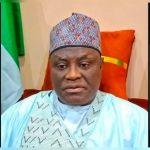


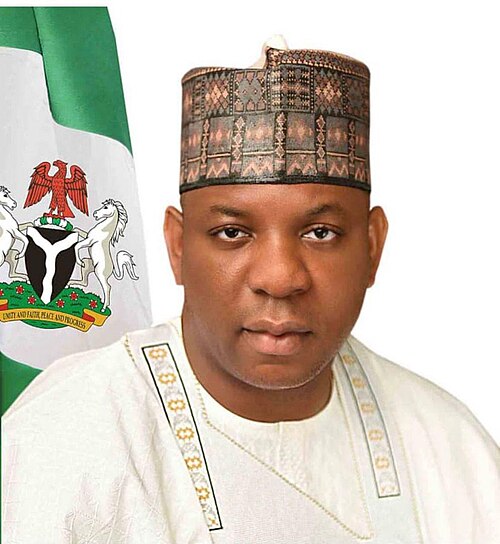

How Minister Shuaibu Audu is Turning Around Nigeria’s Steel Sector in Close to Three Years
By Temiloluwa Samuel
ABUJA— When President Bola Tinubu created the Federal Ministry of Steel Development in August 2023 and appointed Hon. Shuaibu Abubakar Audu as its pioneer Minister, Nigeria’s steel sector was at a near standstill.
Ajaokuta Steel Complex lay incomplete after 44 years, local steel production barely met 5% of demand, and Nigeria imported over $4 billion worth of steel annually.
- Advertisement -
Nearly three years later, the narrative is shifting. Minister Audu has anchored his approach on 3 pillars: resuscitate Ajaokuta, unlock private investment, and enforce local content. The result is the first serious momentum the sector has seen in decades.
The 24,000-hectare Ajaokuta Steel Complex has been Nigeria’s biggest industrial disappointment. Under Minister Audu, the ministry moved from endless talks to structured action.
Key moves:
– Technical audit + phased concession plan: Instead of chasing one buyer for the entire plant, the ministry broke Ajaokuta into bankable segments: light mill section, wire rod mill, and power plant. This made it easier for investors to commit capital without taking the full risk.
– Russian partnership revived: After negotiations with Russia’s Tyazhpromexport, the original builders, Nigeria secured a fresh technical audit agreement in 2024. The audit is meant to establish exact status of equipment and cost of completion.
– Security + infrastructure push: The ministry worked with the National Security Adviser’s office to improve security around Ajaokuta. Access roads and rail links to Itakpe iron ore mines are also being prioritized to cut logistics costs.
“We cannot industrialize Nigeria without steel,” Audu has repeated at multiple forums. “Ajaokuta is not dead. It is only waiting for the right model.”
2. Private Capital Over Budget Dependence
One of Audu’s biggest departures from past administrations is refusing to rely on budgetary allocation alone. With Nigeria’s budget implementation challenges, he knew steel could not wait.
The ministry has under his leadership has signed MOUs with 10+ investors including Chinese, Indian, and local firms for mini steel plants and downstream processing in Kogi, Ogun, and Kaduna states.
– Pushed for “Nigeria First” in steel procurement through the BPP and MDAs. The idea: government projects must prioritize steel made in Nigeria before import licenses are granted.
– Revived the Presidential Initiative on Steel Sector Revival to coordinate policies across mines, power, transport, and finance.
Industry players say this shift has restored confidence. For the first time, investors see a ministry with a clear roadmap and a minister willing to take political heat for unpopular decisions like cracking down on steel import racketeering.
3. Protecting Local Producers, Creating Jobs
Steel is a job multiplier. Audu’s team estimates that a fully operational Ajaokuta + supporting mini mills could create 500,000 direct and indirect jobs. To get there, the ministry has started:
– Crackdown on substandard imports: Working with SON and Customs, the ministry is pushing for stricter enforcement at ports. The goal is to stop “dumping” that kills local mills.
– Skills development: Partnerships with polytechnics and ITF to train welders, metallurgists, and technicians so Nigeria doesn’t import labor when plants come online.
– Data + transparency: The ministry launched a steel sector database to track production, capacity utilization, and import volumes. For years, Nigeria made policies without data. That’s changing.
Though the challenges is not yet over. Power remains the biggest constraint. Ajaokuta’s 110MW plant cannot run a steel complex. Funding gaps are real. And political interference has killed steel reforms before.
But for the first time since 1979, there is a coordinated plan, investor interest, and political will from the top. If the concession model works and the Itakpe-Ajaokuta rail line is completed, Nigeria could start producing structural steel locally before 2027.
As Minister Audu put it recently: “Steel is the oxygen of industrialization. In three years he laid the foundation. The next phase is production.”
For a sector that has symbolized Nigeria’s “unfinished business,” that statement alone marks progress.
End
(DEMOCRACY NEWSLINE NEWSPAPER, JUNE 26TH 2026)