

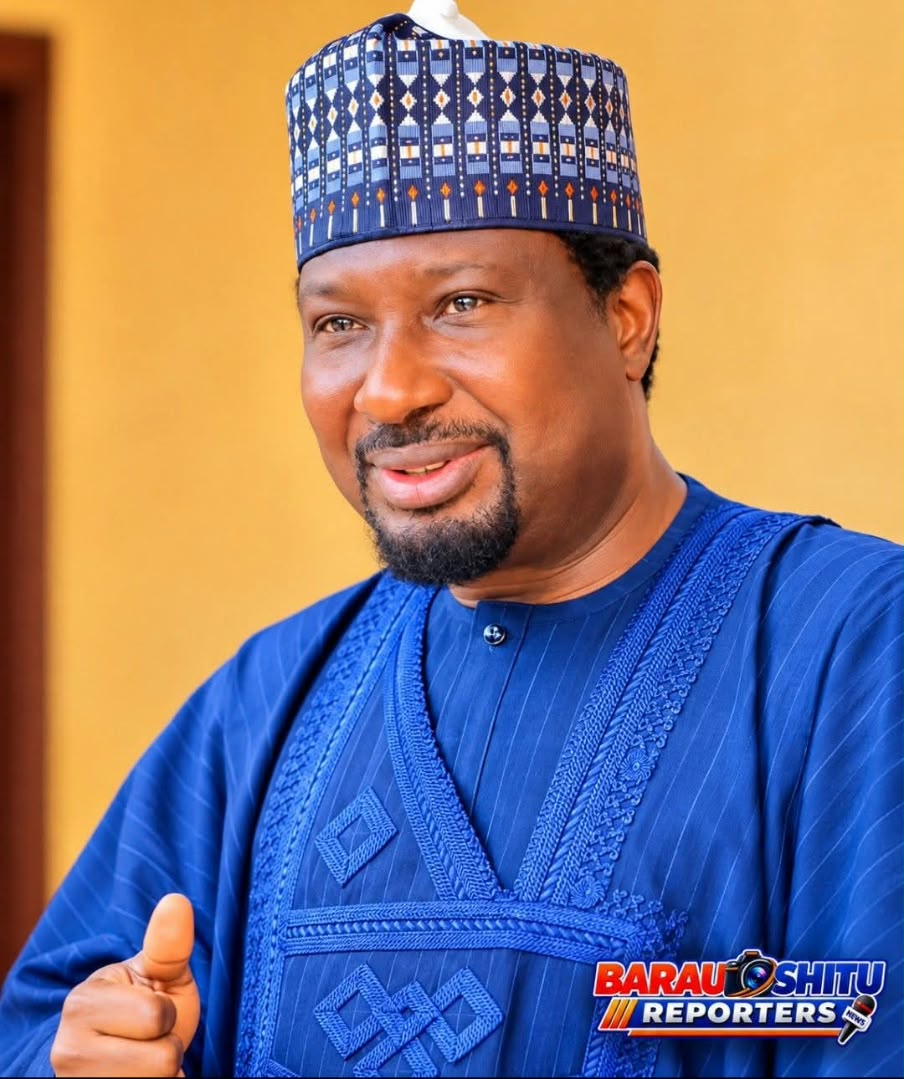

Kano APC Crisis: Beyond Personal Ambition, the Need for Unity and Development.
By Bala Salihu Dawakin Kudu
October 7, 2026.
The growing political disagreements within the All Progressives Congress (APC) in Kano State have once again raised important questions about political leadership, loyalty, succession and the responsibility of politicians to place the interests of the people above personal ambitions.
At the centre of the current debate are prominent political figures, including Deputy Senate President Senator Barau I. Jibrin and other influential politicians from Kano. While political competition is a normal feature of democracy, disagreements among political leaders become a matter of public concern when they begin to distract attention from governance, development and the welfare of citizens.
- Advertisement -

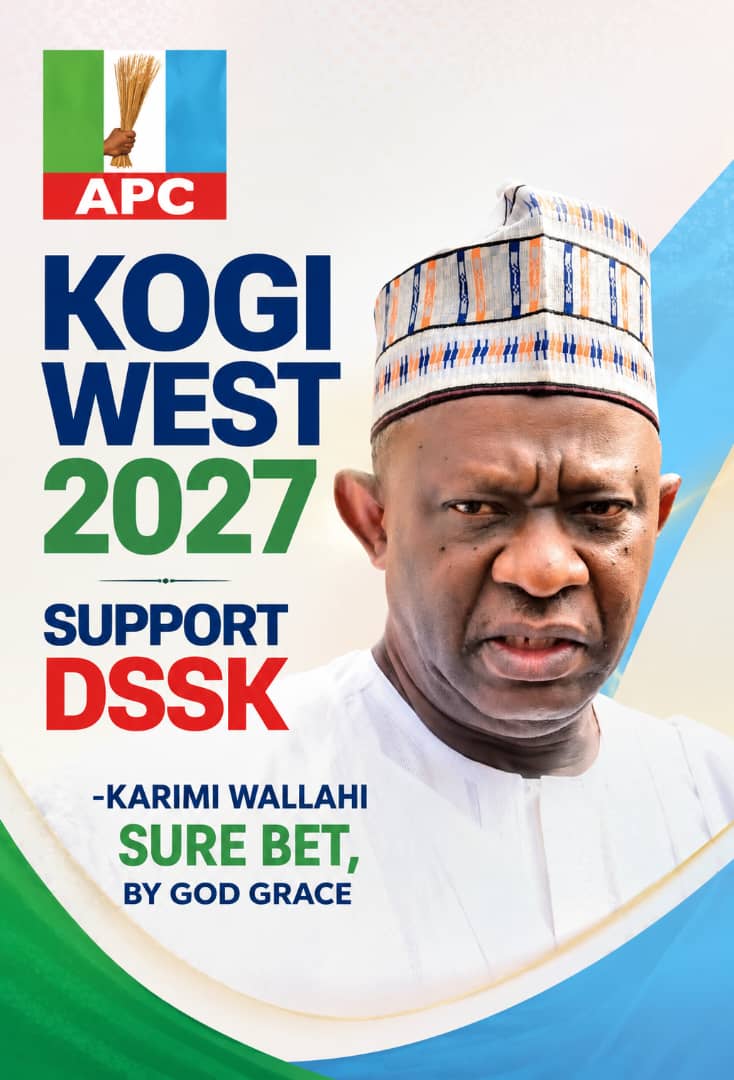
Senator Barau I. Jibrin has, over the years, remained one of the prominent political figures from Kano at the national level. His supporters point to his interventions in education, empowerment, infrastructure, political organisation and support for party structures across the state as evidence of his contribution to Kano’s political and socioeconomic development.
One of the frequently cited examples is his support for APC structures across Kano’s 44 local government areas, particularly during a period when the party was facing significant political challenges in the state. His supporters argue that his mobilisation efforts and assistance to party members helped sustain the party’s structures at a difficult time.
Beyond party politics, supporters also associate his political influence with various constituency and development interventions, including educational support, empowerment programmes, infrastructure initiatives and assistance to communities and individuals. Such interventions, where properly documented and verified, should be assessed on their measurable impact on ordinary citizens rather than merely through partisan arguments.
However, political contributions should not become a basis for permanent political entitlement. In a democracy, every leader remains accountable to the people, while political positions are subject to constitutional processes, elections and the changing will of citizens.
This is where the present political tension in Kano deserves careful consideration.
The debate surrounding the future political leadership of Kano, including speculation over positions such as Speaker of the House of Representatives or President of the Senate, should not be allowed to create unnecessary divisions among politicians from the same state.
These positions are ultimately determined through constitutional procedures, party politics, elections and the decisions of elected lawmakers.
No political office should be treated as an inheritance or personal possession. Leadership is temporary, while the consequences of political decisions can affect generations.
Kano therefore needs political leaders who understand that competition and cooperation can coexist. Political differences should not degenerate into personal hostility, character attacks or attempts to destroy the political careers of fellow Kano citizens.
The state has far more urgent challenges requiring collective attention: improving the quality of education, expanding employment opportunities for young people, strengthening healthcare, improving security, developing infrastructure, supporting agriculture and industry, and creating an environment in which businesses can grow.
Kano’s political leaders—whether in the APC, NNPP, PDP or other political platforms—have a responsibility to ensure that political competition does not undermine these priorities.
The current disagreements also demonstrate the importance of strengthening internal democratic mechanisms within political parties. Where party structures are weak or dominated by personal loyalties, disagreements among influential politicians can quickly become wider conflicts affecting the entire organisation.
A mature political system requires respected party elders, transparent internal processes and mechanisms for resolving disputes before they become public confrontations.
The people of Kano should also be encouraged to judge political leaders by their records. Political support should be based on demonstrable achievements, integrity, competence, respect for democratic institutions and commitment to public service—not simply on personal relationships or political rivalry.
Senator Barau I. Jibrin’s supporters have every right to highlight his achievements and defend his political record. Equally, his critics have the democratic right to scrutinise his performance and disagree with his political positions. What matters is that both sides should conduct their arguments responsibly and peacefully.
Kano cannot afford a political environment in which every disagreement is interpreted as an existential struggle between individuals.
The state needs collaboration among its political leaders, regardless of their differences. The Governor, federal legislators, state legislators, former governors, party leaders and other influential stakeholders all have different responsibilities, but they share one common constituency: the people of Kano.
Ultimately, political power belongs to the people and is subject to the will of God, constitutional procedures and democratic choice. Positions come and go, but the development of Kano must remain a permanent priority.
The greatest victory for any Kano politician should therefore not simply be occupying the highest political office, but leaving behind institutions, opportunities and development projects that improve the lives of ordinary people.
The present political disagreements should consequently be treated as an opportunity for reflection rather than further division. Kano needs reconciliation, constructive competition and leaders capable of putting the state’s long-term interests ahead of immediate political calculations.
DemocracyNewslineNewspaper October 7th, 2026